



 By
By By Elizabeth Ugbo
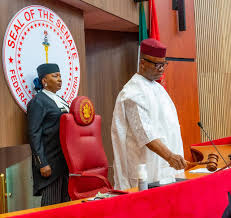
As Nigeria approaches the 2027 general elections, concerns are mounting over the Senate’s role in shaping the country’s electoral framework. At the centre of the controversy is the Electoral Act 2022, passed by the National Assembly and assented to by the President, which critics say failed to clearly mandate the real-time electronic transmission of results using the Bimodal Voter Accreditation System (BVAS). Observers argue that by legislating ambiguous provisions — particularly the clause allowing the Independent National Electoral Commission (INEC) to act “as prescribed by the Commission” — the Senate created uncertainty about how election results should be transmitted, when, and under what authority.
The Electoral Act 2022 was initially celebrated as a milestone in Nigeria’s democratic reform. Lawmakers assured citizens that technological tools such as BVAS would enhance transparency, curb manipulation and restore public confidence in elections. However, critics contend that while the Act endorsed the use of technology, it stopped short of making real-time electronic transmission of results mandatory in clear and enforceable terms.
During legislative debates, the Senate declined to adopt explicit language compelling electronic transmission of results directly from polling units. Instead, it deferred critical procedural details to INEC’s discretion. Analysts say this approach shifted responsibility away from lawmakers and left room for varying interpretations.
The impact of that ambiguity became evident during the 2023 general elections. Although BVAS was used for voter accreditation, controversy erupted over the transmission of results after voting concluded. What many Nigerians expected to be an automatic, real-time process became the subject of public explanations and legal disputes. The lack of clarity fueled mistrust, with critics arguing that the confusion originated not at polling units but in the legislative drafting process.
Beyond BVAS, broader electoral challenges remain unresolved. Electoral offences such as vote-buying continue with limited consequences, while calls for an independent Electoral Offences Commission have yet to be fully addressed. Internal party democracy also remains weak, with allegations of imposed candidates and flawed primaries discouraging voter participation.
The cumulative effect has been rising voter apathy, increased election litigation and questions surrounding the legitimacy of elected officials. Observers warn that democracy suffers when electoral laws contain loopholes or discretionary language that can be exploited.
With 2027 drawing closer, pressure is building on the Senate to amend the Electoral Act and remove ambiguities surrounding electronic transmission of results. Advocates insist that explicit legal provisions, rather than broad discretionary clauses, are necessary to ensure transparency and rebuild public trust.
As debate intensifies, stakeholders maintain that the credibility of Nigeria’s next election may depend not on promises of reform, but on the clarity and firmness of the laws that govern it.