



 By
By By Elizabeth Ugbo
An eight-year-old boy, abducted by armed fighters in Kaburi village, Borneri, Cameroon, around four years ago, has escaped captivity in the Lake Chad region. He was held by Boko Haram militants in forest camps across Nigeria and Cameroon, and he eventually fled during a military encounter. He ran toward soldiers seeking safety because he wanted to reunite with his family, especially his mother, after years of abuse, hunger, and fear under insurgent control.
Abduction and Early Life in Captivity
The boy said Boko Haram fighters attacked his village and abducted him as a toddler. He was taken into remote forest camps.
He lost contact with his parents immediately after the attack. His family remains in Cameroon.
He spent years moving between abandoned settlements and militant hideouts.
Life Inside Boko Haram Camps
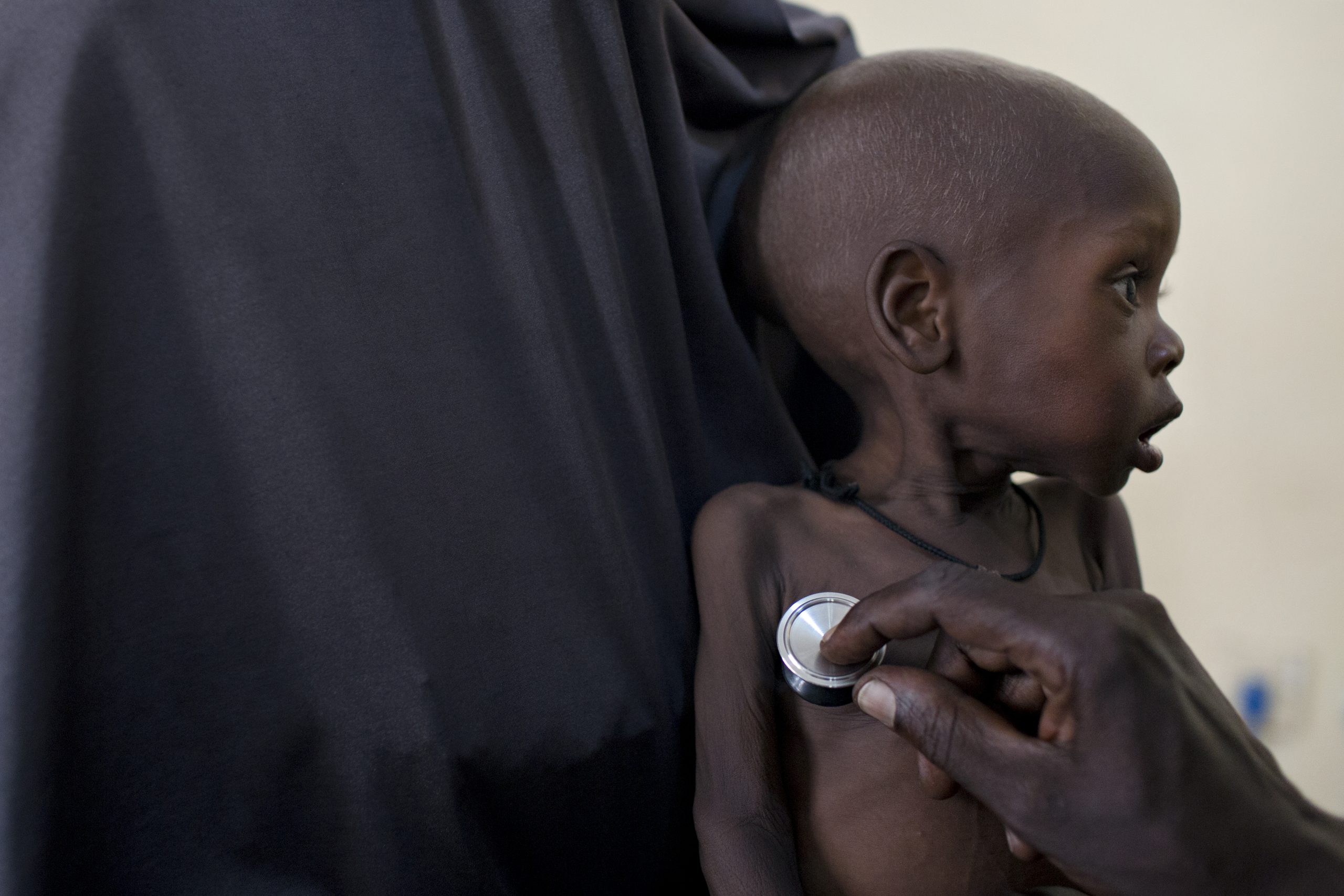
Life in captivity was harsh and unstable. Food and clothing were scarce.
He survived mainly through begging and forced small jobs in nearby communities.
“I usually beg before getting something to eat,” he said.
He also worked for a caregiver, performing farming and fetching water.
Personal hygiene was difficult. He often lacked basic grooming tools.
Sometimes, others helped him cut his hair using scissors.
Exposure to Armed Conflict
The boy said he regularly saw armed fighters in the camps.
Many militants carried guns, including long-range weapons.
“I see them chasing soldiers,” he said.
However, he insisted he never handled a firearm.
“I have never held a gun,” he added.
Despite this, he witnessed frequent clashes between fighters and soldiers.
Escape From Captivity
The boy said he constantly planned to escape.
Previous attempts failed after armed guards caught him.
One opportunity changed everything during a military presence nearby.
“When I saw the soldiers, I ran to them,” he said.
He believed they could reunite him with his father.
Emotional Toll and Family Separation
The boy has not seen his parents for about four to five years.
He said his greatest wish is to find his mother.
“I don’t want to go back. I just want to find my mother,” he said.
His escape marked the end of years of fear and instability.
Security and Expert Reactions
Security experts say his experience reflects a wider crisis.
The Multinational Joint Task Force (MNJTF) reports increased child recruitment by armed groups.
Colonel Timothy Antigha confirmed ongoing intelligence on child involvement.
He stated that armed groups use children in combat and support roles.
UN Reports on Child Recruitment
International organisations have repeatedly warned about child exploitation in conflict zones.
The United Nations documented thousands of child rights violations in the region.
Reports show that over 3,600 children were affected between 2017 and 2019.
Boko Haram alone recruited more than 1,300 children during that period.
Ongoing Impact of the Conflict
Despite reduced territorial control, violence continues across the Lake Chad Basin.
Communities in Nigeria, Cameroon, Niger, and Chad remain affected.
Boko Haram continues to be linked with abductions and child recruitment cases.
The humanitarian impact remains severe and long-lasting.
Conclusion
The boy’s story highlights the hidden suffering of child survivors of insurgency.
His experience reflects hunger, forced labor, and psychological trauma.
Yet his escape also shows resilience and hope for reunification.
For him, peace means one thing: finding his family again.