




 By
By By Elizabeth Ugbo
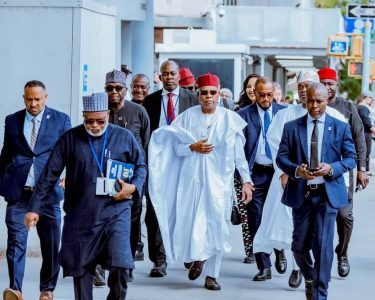
Northern Nigeria faces rising poverty, insecurity, and poor education. The region’s elites struggle to unite on development strategies. Without their consensus, institutional weakness, policy inconsistency, and missed opportunities persist. This problem continues to affect millions of people across the North today.
Lack of Elite Consensus and Policy Inconsistency
Northern Nigeria suffers because elites cannot agree on development priorities. Frequent shifts in policies and government priorities create an unpredictable environment. Investors hesitate, long-term projects stall, and economic growth slows. Countries like Argentina show how political division harms economic planning, but Nigeria’s federation adds complexity.
Institutional Weakness and Corruption
When elites are divided, institutions weaken. Poor governance, inefficiency, and corruption thrive. Without strong institutions, security, education, and economic reforms fail. Building capable institutions is vital to reduce poverty and insecurity.
Missed Opportunities for Economic Diversification
Northern Nigeria relies heavily on agriculture and limited industries. Lack of a shared agenda means opportunities for innovation and diversification are overlooked. Strengthening local economies requires consistent planning and strategic investments.
Lessons from History
Post-independence Nigeria struggled with aligning its elites on development. Insufficient coordination slowed national growth. Meanwhile, other countries demonstrate that political consensus promotes stability and development.
Dialogue and Inclusivity as Solutions
The North needs dialogue among political, business, and civil society leaders. Occasional speeches from Kaduna are insufficient. Leaders should focus on:
- Building robust local institutions
- Long-term planning beyond election cycles
- Implementing sustainable development goals
As Thomas Phillip ‘Tip O’Neill famously said, “All politics is local.” Northern leaders must strengthen policies at state levels.
Addressing Poverty, Security, and Education
Northern Nigeria faces higher poverty rates than other regions. Insecurity and insurgency disrupt economic activity. Limited access to quality education hinders youth empowerment. Meanwhile, many elites send their children abroad, ignoring local needs.
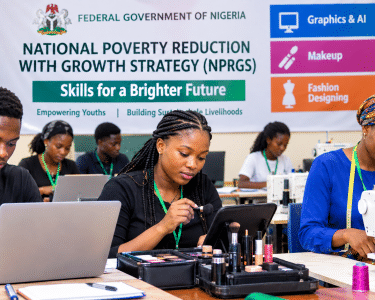
Investing in education and vocational training can improve economic prospects and reduce extremism.
Rethinking Political Power and Religious Priorities
Northern elites often focus on political office and spreading Sharia law. This approach has contributed to insecurity and instability. Instead, leaders should prioritize:
- Education for all
- Economic development
- Reducing youth unemployment
Focusing on these areas reduces poverty, strengthens governance, and curbs extremism.
The Urgency of Northern Elite Action
If northern elites remain complacent, federal leadership may outpace them. The Tinubu administration’s strategic federalism could leave the North behind. Elite consensus is critical to addressing multi-dimensional poverty, insecurity, and education gaps. Action is required now, not later.
Lessons from Media and Journalism
Northern media has evolved despite challenges. Newspapers like Daily Trust, Leadership, Blueprint, and People’s Daily now influence national discourse. Early critiques, such as my 1994 Guardian article “The Trouble With the Northern Press,” encouraged accountability. Today, these platforms can advocate for elite unity and development priorities.
Conclusion: Time for Renewal
Northern Nigeria’s elites must rise from complacency. They need to prioritize development over politics, focus on education, and strengthen institutions. Unity and long-term vision are the only ways to end poverty, insecurity, and stagnation.