



 By
By By Elizabeth Ugbo
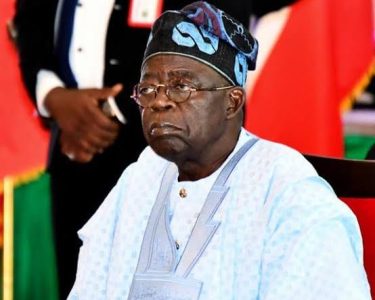
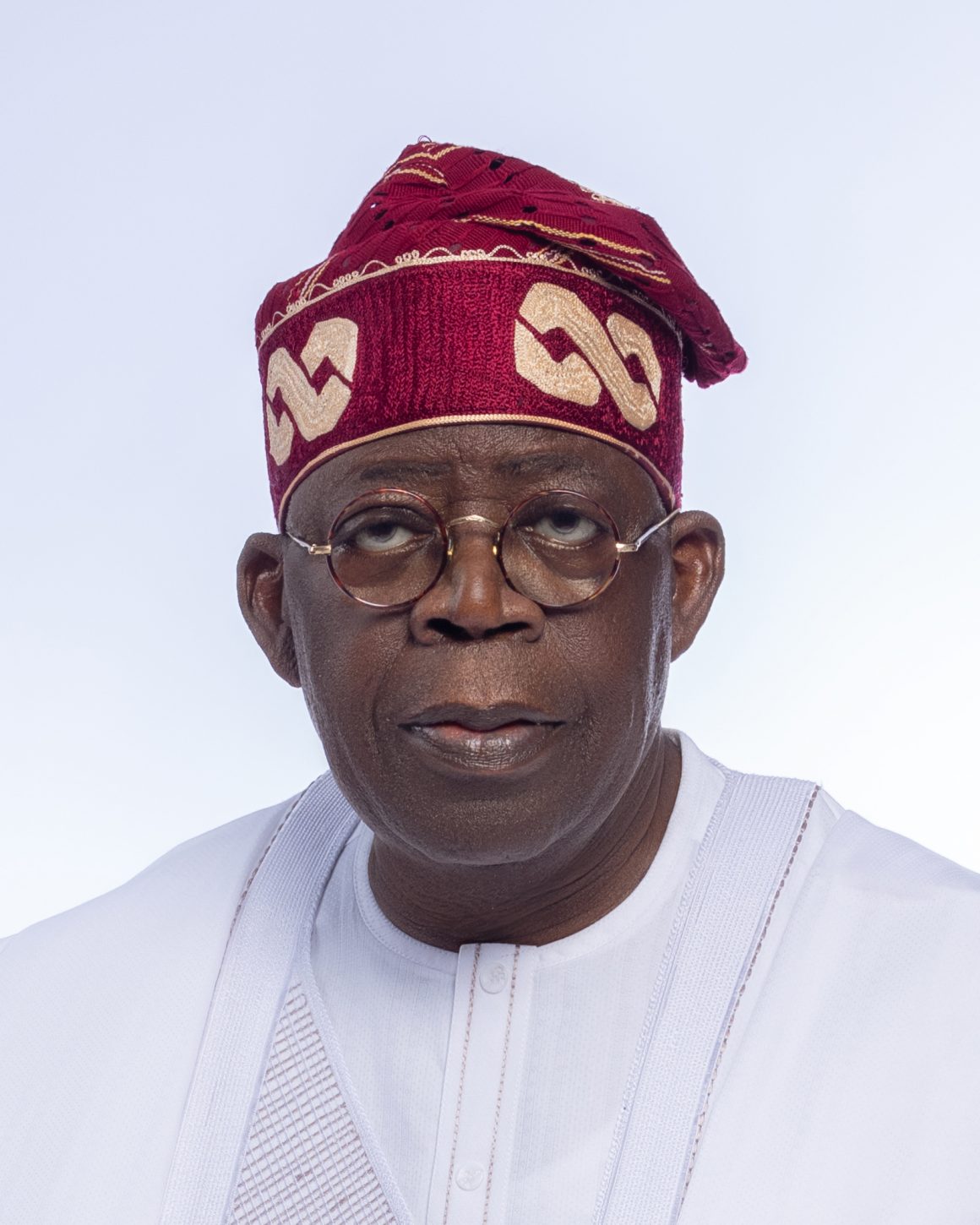
With less than 24 hours to the deadline set by Bola Ahmed Tinubu, political appointees across Nigeria face a critical decision. The directive, issued through the Office of the Secretary to the Government of the Federation, requires all aspirants for the 2027 elections to resign by March 31, 2026. It affects ministers, aides, and agency heads nationwide. However, many officials are delaying compliance due to uncertainty, lack of assurances, and fear of political consequences.
Why Appointees Are Hesitating
Many aspirants fear resigning without securing party tickets. Sources reveal that most want firm guarantees before leaving office.
“There is fear of taking a leap without assurance,” a source disclosed. “Resigning could mean losing both position and ambition.”
Additionally, some officials worry that early resignation may signal disloyalty to the President. As a result, they are proceeding cautiously.
Lack of Clear Signals from APC Leadership
Insiders say the absence of endorsement from the ruling All Progressives Congress remains a major concern.
Many aspirants are consulting stakeholders and power brokers. They want backing before making final decisions. Meanwhile, the ongoing APC National Convention offers an opportunity to assess political alignment.
At the state level, the situation is even more complex. Some aspirants lack support from incumbent governors. Therefore, they rely heavily on presidential influence.
Directive Backed by Electoral Law
The presidency based the directive on Section 88(1) of the Electoral Act, 2026. It also aligns with the timetable released by the Independent National Electoral Commission.
Officials who fail to resign risk disqualification from party primaries while still holding office. Consequently, the pressure to comply continues to rise.
List of Key Aspirants Affected
Investigations show that at least 14 top appointees plan to contest governorship elections. Notable names include:
- Bosun Tijani (Ogun)
- Hakeem Muri-Okunola (Lagos)
- Saidu Alkali (Gombe)
- Abubakar Kyari (Borno)
- Yusuf Maitama Tuggar (Bauchi)
- Muhammad Ali Pate (Bauchi)
- Adebayo Adelabu (Oyo)
Despite their ambitions, most have not resigned.
Early Resignation Signals Begin
In contrast, Nasir Bala Aminu has stepped down. Popularly known as Ja’oji, he resigned over the weekend to pursue his ambition.
His move marks the first concrete response to the directive.
Lessons from Past Administrations
Historical trends influence current decisions. During the era of Goodluck Jonathan, several ministers resigned. However, only a few secured party tickets.
For example, Darius Ishaku succeeded, while Samuel Ortom failed initially and later defected.
Similarly, Bala Mohammed chose not to contest in 2015 after assessing the risks.
In contrast, during Olusegun Obasanjo’s administration, appointees reportedly received clearer assurances.
High Stakes and Political Risks
Experts warn that the stakes remain extremely high. Professor Umar Katagum described the situation as a “very uncertain political battlefield.”
Aspirants risk political isolation, financial loss, and reduced influence without firm backing.
Final Decisions Loom
As the deadline approaches, pressure intensifies. Some appointees may resign at the last minute. Others may retain their positions and delay their ambitions.
Ultimately, the coming hours will shape the political landscape ahead of the 2027 elections.