



 By
By By Elizabeth Ugbo
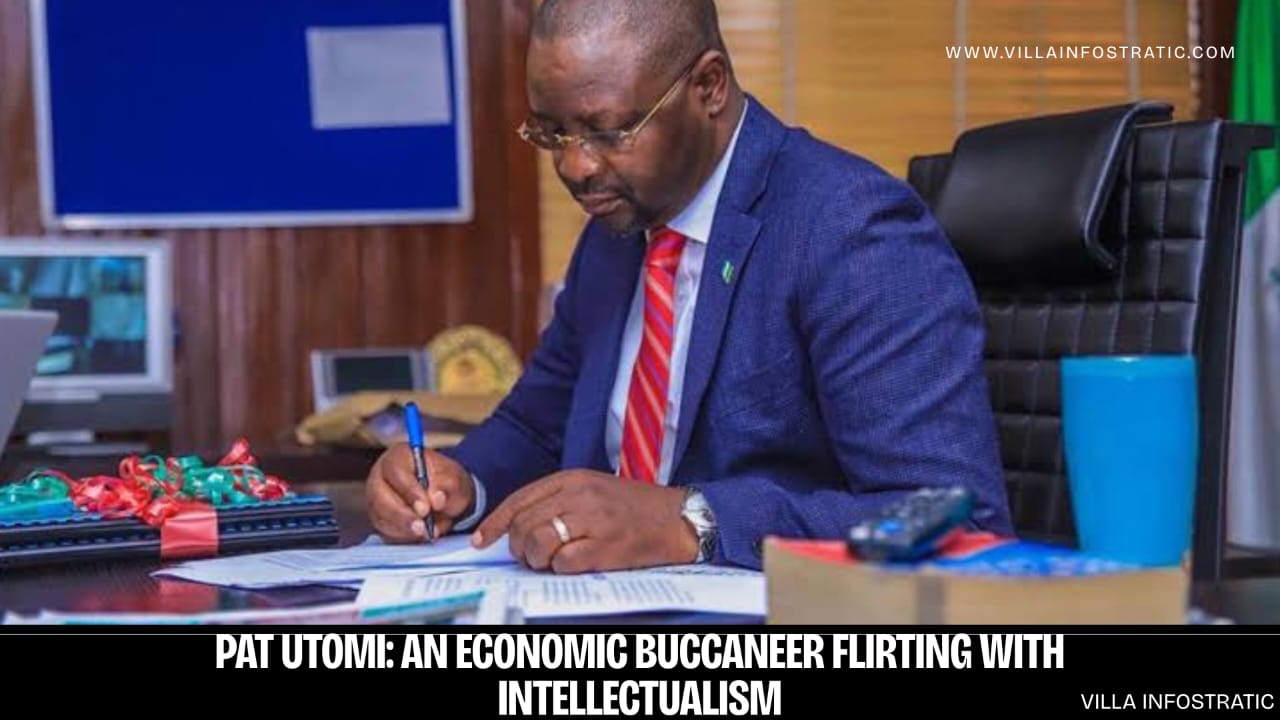
In Abuja, Professor Pat Utomi recently criticized President Bola Ahmed Tinubu’s economic reforms, calling them “ridiculous” and a “Ponzi scheme.” He made these remarks during ongoing national policy debates in 2026. Utomi questioned the structure and intent of the reforms. However, the administration continues to defend them as necessary steps to stabilize Nigeria’s economy. The debate now centers on whether these reforms deliver real results or remain flawed in execution.
Utomi’s Criticism: Strong Words, Weak Substance?
Utomi’s commentary often attracts attention. However, his arguments frequently rely on sweeping claims. He labels reforms harshly but rarely provides detailed alternatives. As a result, critics question the depth of his analysis.
Moreover, his public record raises concerns. His involvement with Volkswagen Nigeria and BankPHB still invites scrutiny. These experiences shape how many assess his credibility today.
Tinubu’s Reform Agenda: Structural Changes in Motion
In contrast, the Tinubu administration has implemented clear economic policies. These reforms aim to correct long-standing distortions.
Key Measures Introduced
- Fuel Subsidy Removal (May 2023)
This move eliminated a major fiscal burden and increased government revenue. - Exchange Rate Unification
The policy merged multiple FX windows into one market-driven system. - Increased FAAC Allocations
States now receive higher monthly disbursements, improving liquidity.
These actions reflect deliberate structural adjustments rather than theoretical proposals.
Economic Impact: Early Signs of Adjustment
Although challenges remain, early indicators show gradual progress.
- Oil revenue remittances have improved.
- External reserves show relative stability.
- Debt service pressure has started easing.
Additionally, Nigeria maintains positive GDP growth despite reform shocks. This resilience suggests underlying strength.
The “Ponzi Scheme” Claim: Misplaced Analogy
Utomi’s “Ponzi scheme” claim lacks precision. A Ponzi scheme depends on deception and zero value creation. Nigeria’s reforms, however, aim to restore fiscal discipline.
They focus on:
- Eliminating wasteful spending
- Promoting transparent pricing
- Rebuilding investor confidence
Ironically, past economic practices better fit Utomi’s description. Subsidy regimes and FX arbitrage created artificial stability for years.
Missing Alternatives: A Gap in Utomi’s Argument
Criticism plays an important role in policy debates. However, it must offer solutions. Utomi’s position lacks:
- A clear economic framework
- A realistic reform sequence
- A sustainable fiscal roadmap
Without these elements, his critique remains incomplete.
Institutional Reforms Underway
The government has also introduced system-level changes to support long-term growth.
Ongoing Initiatives
- Tax Reforms (2025 Acts)
These aim to expand the tax base and improve compliance. - E-Invoicing System
This enhances transparency among large taxpayers. - Customs Modernization
It improves trade efficiency and reduces bottlenecks.
These reforms focus on strengthening institutions rather than generating headlines.
A Pattern of Public Commentary
Utomi’s approach follows a familiar pattern:
- Issue strong warnings
- Amplify concerns through media
- Avoid detailed solutions
- Maintain visibility in policy discussions
While this strategy attracts attention, it rarely advances actionable policy.
Conclusion: Reform vs. Rhetoric
Nigeria’s economic reforms deserve scrutiny. However, criticism must remain constructive and grounded in evidence.
President Tinubu’s policies are not perfect. Yet, they represent tangible efforts to fix structural issues. On the other hand, Utomi’s recent remarks rely more on rhetoric than rigorous analysis.
In a critical moment for Nigeria’s economy, serious engagement matters more than dramatic declarations.