



 By
By By Elizabeth Ugbo
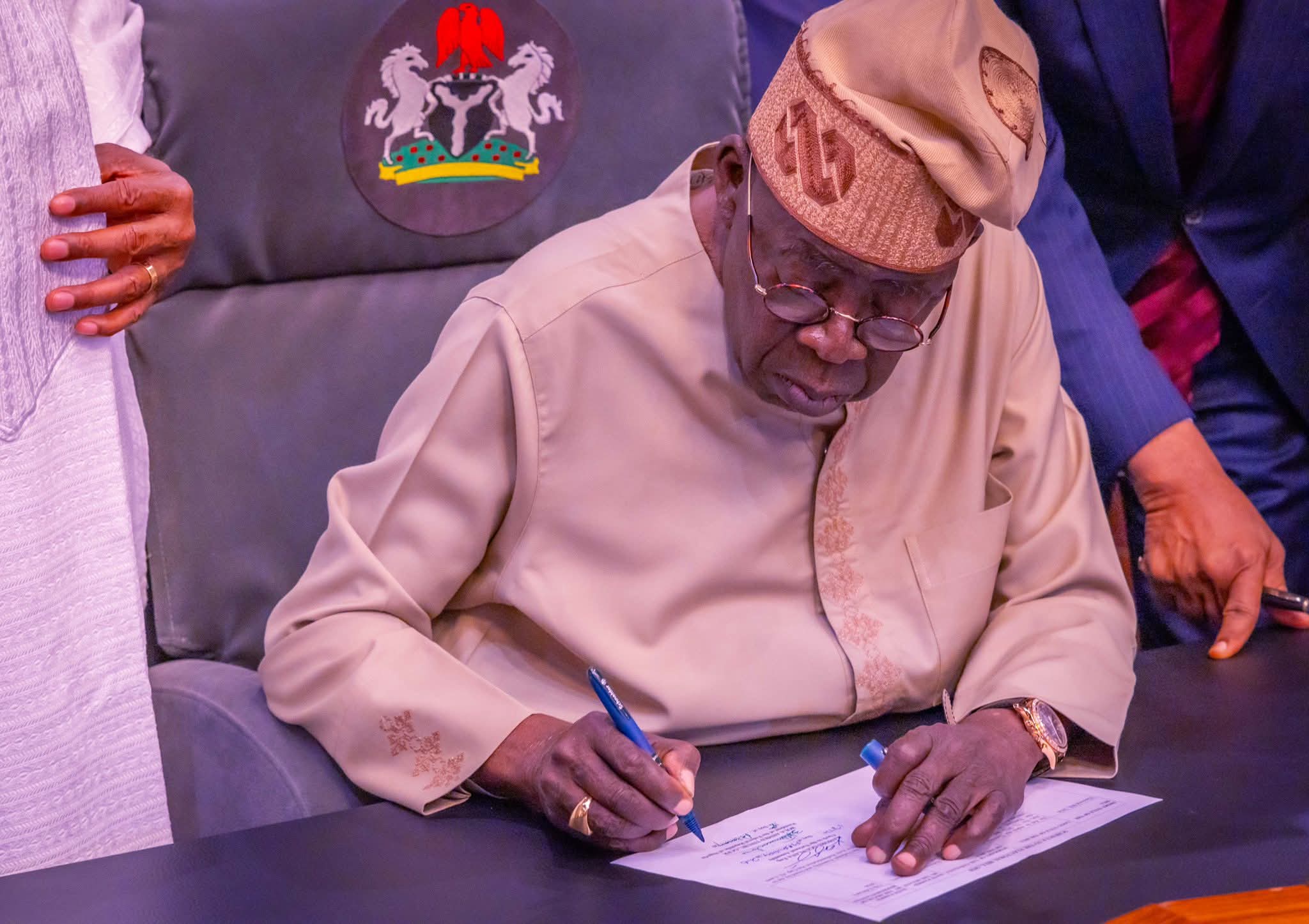
Nigeria’s President Bola Tinubu has requested Senate approval for a $516.3 million external loan from Deutsche Bank to fund sections of the Sokoto–Badagry Super Highway, a 1,000km project linking seven states. The request, read by Senate President Godswill Akpabio during plenary on Thursday, has triggered mixed reactions from economists and former Vice President Atiku Abubakar, who raised concerns about rising debt and transparency.
Concerns Over Rising Debt Profile
Professor Akpan Ekpo warned that Nigeria’s growing dependence on external borrowing is risky.
He argued that the country’s debt profile is increasing at an alarming rate. According to him, revenue—not GDP—determines debt repayment capacity.
Ekpo stressed that Nigeria relies heavily on oil revenue. However, oil prices and output remain outside government control. As a result, he described the revenue base as unstable.
He also questioned whether toll revenues from the highway would cover the loan within nine years. Therefore, he urged caution in borrowing decisions.
Call for Alternative Financing Options
Ekpo recommended alternative funding strategies. These include Public-Private Partnerships, road concessions, and Sukuk financing.
He explained that such options would retain capital within the domestic economy. Consequently, they would create jobs and strengthen local capacity.
Support for Loan-Funded Infrastructure
On the other hand, Dr Ayo Teriba, CEO of Economic Associates, defended the loan.
He stated that borrowing for capital projects is appropriate when assets outlive the debt. According to him, the highway will generate long-term income opportunities.
Teriba also highlighted the relatively low interest rate of 5.3 percent. He compared it favorably to previous rates of about nine percent.
Furthermore, he argued that such projects do not pass debt burdens to future generations. Instead, they create economic assets.
Criticism of Financial System Constraints
However, Teriba criticized the exclusion of Nigerian banks from the project. He pointed out that over N28 trillion remains locked in CRR deposits without interest.
He urged policymakers to reform the CRR system. If restructured, banks could fund infrastructure projects while earning returns.
Atiku Warns Against “Blind Borrowing”
Atiku Abubakar acknowledged the importance of infrastructure development. Nevertheless, he warned against unchecked borrowing.
He emphasized the need for transparency, cost-benefit analysis, and a clear repayment plan. Without these, he argued, borrowing could lead to a debt crisis.
He also cautioned the National Assembly against approving the loan without proper scrutiny. According to him, development must not become a pathway to long-term debt traps.
Project Scope and Economic Impact
The proposed loan will finance Sections 1, 1A, and 1B of the Sokoto–Badagry Super Highway. The project aims to improve connectivity between northern and southern Nigeria.
Additionally, it seeks to reduce travel time and boost trade across Sokoto, Kebbi, Niger, Kwara, Oyo, Ogun, and Lagos states.
Mixed Reactions Persist
Economists remain divided on the loan request. While some support borrowing for infrastructure, others fear fiscal instability.
Ultimately, the Senate Committee on Local and Foreign Debts will review the proposal. Its decision will shape Nigeria’s approach to infrastructure financing.