




 By
By By Elizabeth Ugbo
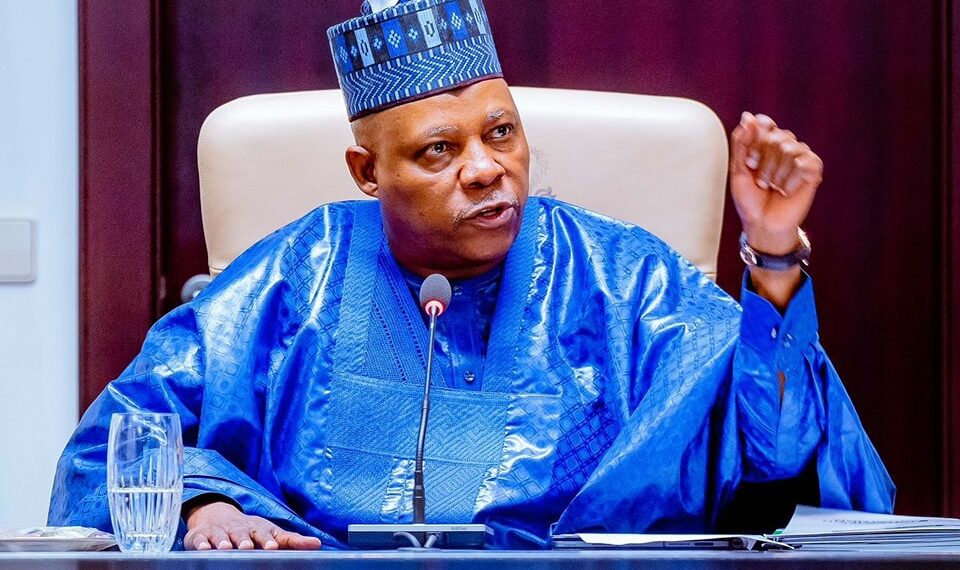
ABUJA, Nigeria – The National Economic Council (NEC) on Thursday approved the release of ₦83.2 billion under the Anticipatory Action Trust Fund (AATF) to strengthen flood preparedness across Nigeria. The approval came during the Council’s meeting at the State House in Abuja, chaired by Vice President Kashim Shettima. The fund will finance early warning systems, emergency preparedness and flood mitigation measures to reduce the impact of seasonal flooding nationwide.
₦83.2bn Approved for Flood Preparedness
The Council approved the funding after reviewing Nigeria’s disaster management strategy.
The ₦83.2 billion will support proactive interventions instead of emergency responses after disasters occur. The initiatives include early warning systems, emergency preparedness programmes and flood mitigation projects.
Speaking after the meeting, Governor Bassey Otu revealed that more than ₦166 billion had initially been proposed for the Anticipatory Action Trust Fund. However, the Council approved ₦83.2 billion for the first phase.
Council members agreed that Nigeria must strengthen disaster preparedness to protect lives, livelihoods and critical infrastructure.
Shettima Calls for Visible Economic Results
Vice President Kashim Shettima urged government officials to ensure that President Bola Ahmed Tinubu’s economic reforms deliver measurable benefits to Nigerians.
According to him, the country has moved beyond economic stabilisation and now focuses on production and implementation.
“The assignment has not changed. We remain a federation moving from stabilisation to production, from aspiration to implementation, from isolated interventions to coordinated national growth,” Shettima said.
He added that government performance should be measured by results rather than promises.
“When this Council last met, I called our economy a workshop. Today, we must ask whether the work is taking shape,” he stated.
Economic Growth Must Include Everyone
Shettima stressed that economic growth should benefit every Nigerian, especially vulnerable citizens.
He said no Nigerian should be left behind as the country pursues economic reforms.
“A federation does not earn its prosperity by leaving its most vulnerable behind,” the vice president said.
He described the Council’s social protection agenda as an opportunity to build a stronger safety net while improving Nigeria’s human capital.
According to him, government policies should continue to improve the welfare of vulnerable Nigerians while creating long-term economic opportunities.
Nigeria Must End Raw Material Exports
The vice president also called for a shift from exporting raw materials to producing finished goods locally.
He said Nigeria needs a complete value chain that connects agriculture, manufacturing, logistics, quality standards and international trade.
“We cannot continue to export raw materials and import finished products,” Shettima said.
He promised that the government would remove obstacles affecting agricultural exports, particularly challenges at the nation’s ports and compliance with international standards.
According to him, efficient ports and better export standards will reward farmers, support manufacturers and increase Nigeria’s competitiveness in global markets.
“A nation that cannot move its goods has imprisoned its own farmers,” he added.
NEC Focuses on Long-Term National Growth
Shettima said the Council remains committed to delivering reforms that improve the lives of ordinary Nigerians.
He noted that farmers, manufacturers, unemployed youths, vulnerable groups and future generations should benefit from government policies.
The vice president added that the Council’s work would continue to focus on economic transformation, disaster preparedness and social protection across the federation.