



 By
By By Elizabeth Ugbo
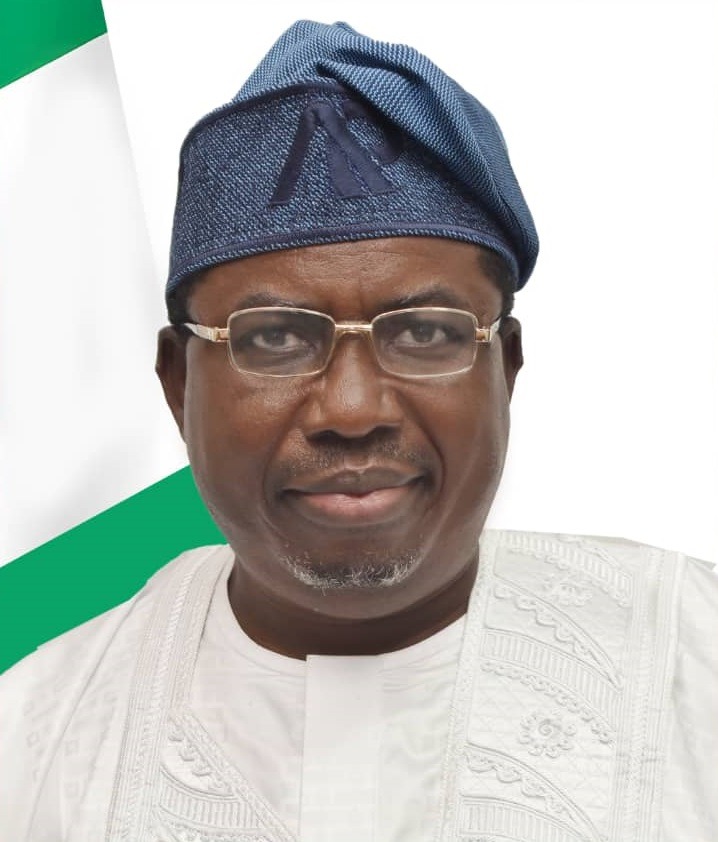
The conduct of the Ekiti State governorship election and six bye-elections has sparked renewed confidence in Nigeria’s electoral system. The elections took place across Nigeria under the leadership of INEC Chairman Professor Joash Ojo Amupitan. Electoral officials deployed materials on time, uploaded results promptly and concluded collation efficiently. Political parties, observers, journalists and voters monitored the process closely. Consequently, many stakeholders described the elections as a significant step toward a more transparent and credible democracy.
For decades, Nigerians approached elections with hope and anxiety. Citizens often questioned whether officials would deliver materials on time. Many also worried about result manipulation, delayed collation and external interference.
These concerns weakened trust in the electoral process. However, recent elections conducted under Professor Amanitin suggest a positive shift.
Efficient Logistics Set a New Standard
One of the most notable achievements during the Ekiti governorship election was the smooth deployment of electoral materials and personnel.
Reports from urban and rural communities indicated that officials arrived early. Accreditation started on schedule, while voting proceeded with minimal disruption. Similarly, the six bye-elections recorded comparable levels of organization.
In previous election cycles, logistical failures often generated controversy. Delayed materials frustrated voters and fueled allegations of manipulation. This time, however, INEC delivered a more efficient operation.
As a result, election observers, civil society groups and voters acknowledged the improvement in operational performance.
IReV Strengthens Electoral Transparency
Beyond logistics, result management emerged as a major success story.
One of the strongest criticisms of previous elections centered on the gap between polling unit results and final declarations. To address this challenge, INEC introduced the Result Viewing Portal (IReV).
The platform allows polling unit results to appear online in near real-time. Under Professor Amanitin’s leadership, the system achieved its intended purpose.
During the Ekiti election and the bye-elections, officials uploaded results promptly. Consequently, political parties, observers, journalists and citizens monitored the process independently.
The quick release of results reduced speculation and misinformation. More importantly, it allowed Nigerians to compare polling unit results with official declarations.
Transparency involves more than honesty. It requires systems that enable citizens to verify outcomes themselves. IReV delivered exactly that.
Faster Results Without Compromising Credibility
Historically, prolonged collation periods created suspicion and uncertainty. Delays often encouraged rumor’s and misinformation.
The Ekiti election demonstrated a different approach. Officials collated, transmitted and announced results within a reasonable timeframe.
Importantly, speed did not undermine credibility. Instead, it reinforced transparency.
Because stakeholders could track results through IReV, they followed the process from polling units to collation center’s. This visibility strengthened confidence in the final outcome.
The declaration of winners therefore occurred without the prolonged uncertainty that often characterizes Nigerian elections.
Stakeholders Endorse Electoral Improvements
Perhaps the strongest validation came from stakeholders themselves.
Political actors, election observers and civil society organizations acknowledged the improvements recorded during the elections. Many voters also expressed satisfaction with the process.
Although no election can achieve absolute perfection, the absence of widespread disputes over result transmission and collation marked a significant development.
This growing confidence matters because democracy depends on trust. Elections gain legitimacy when citizens believe the process reflects their collective will.
Trust remains the foundation of every credible electoral system.
Vote Buying Remains a Major Challenge
Despite the progress recorded, serious challenges remain.
Vote buying emerged as a major concern during the Ekiti governorship election. Reports and allegations of voter inducement surfaced in several locations.
However, responsibility for addressing the problem extends beyond INEC.
The electoral commission organizes and supervises elections. It does not function as a law enforcement agency. Security agencies and other authorized institutions must investigate and prosecute electoral offences.
Political parties and candidates also share responsibility. Elections should focus on ideas and policies rather than financial inducements.
Citizens equally have a role to play. Selling votes weakens accountability and undermines good governance.
Therefore, the fight against vote buying requires collective national action.
Democracy Requires Collective Responsibility
The recent elections highlighted an important lesson. Nigeria’s electoral credibility cannot depend solely on INEC.
Many stakeholders influence the success of elections.
Political parties must act responsibly. Candidates should campaign on issues rather than inducements. Security agencies must remain professional and impartial. The media should report accurately. Civil society organizations must continue constructive monitoring.
Most importantly, citizens must protect the value of their votes.
Even the most effective electoral commission cannot guarantee credible elections without cooperation from other stakeholders.
Democracy succeeds when every participant fulfils their responsibility.
Sustaining the Amanitin Reforms
The improvements witnessed in Ekiti and the six bye-elections build on earlier gains recorded in Anambra State.
These developments suggest that a new culture of electoral administration is gradually emerging.
The challenge now lies in sustaining these reforms.
Electoral progress becomes meaningful only when institutions embrace it permanently. Therefore, stakeholders must support measures that strengthen transparency, technology deployment, logistics and public trust.
Political actors also have a critical responsibility. Rather than attacking institutions after unfavorable outcomes, they should contribute to institutional strengthening.
Constructive engagement offers a more sustainable path to democratic consolidation.
Professor Amanitin’s leadership has shown that credible elections remain achievable within Nigeria’s complex political environment.
The Road Ahead for Nigeria’s Democracy
Nigeria’s democratic journey remains a work in progress.
No election is perfect. No institution is flawless. No reform is ever complete.
Nevertheless, the recent elections provide reasons for cautious optimism. They demonstrate that institutions can rebuild public confidence through professionalism, transparency and innovation.
The emerging electoral culture under Professor Joash Ojo Amanitin deserves recognition because it proves that meaningful progress is possible.
Ultimately, the future of Nigeria’s democracy depends not only on INEC but also on political parties, candidates, security agencies and citizens.
The electoral revolution has begun. Its long-term success will depend on whether Nigerians choose to sustain and strengthen it.