



 By
By By Elizabeth Ugbo
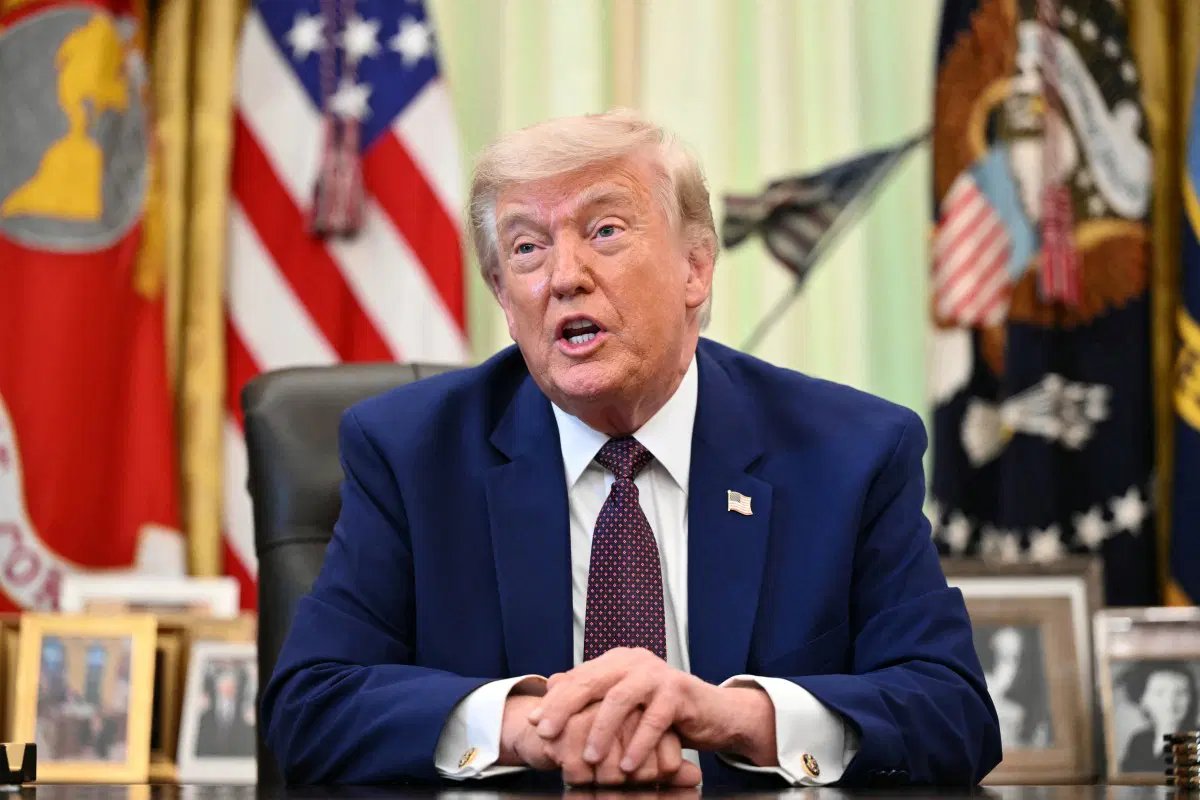
WASHINGTON, D.C. — The US Supreme Court on Tuesday ruled 6-3 against President Donald Trump‘s attempt to end birthright citizenship, affirming that children born in the United States to undocumented migrants or temporary visa holders remain American citizens under the 14th Amendment. The decision came on the final day of the court’s term after months of legal battles over Trump’s executive order, which aimed to restrict automatic citizenship as part of his broader immigration agenda.
Supreme Court Upholds Birthright Citizenship
The ruling marks another significant legal setback for Trump’s immigration policies.
In a majority opinion, Chief Justice John Roberts stated that children born in the United States to parents who are unlawfully or temporarily present remain “subject to the jurisdiction” of the country.
Therefore, they automatically qualify for US citizenship under the Citizenship Clause of the 14th Amendment.
The court ruled that Trump’s executive order conflicted with the Constitution. As a result, the justices left in place long-standing legal protections for birthright citizenship.
Trump Administration Argued for a Narrow Interpretation
Trump signed the executive order on the first day of his second term in office.
The order sought to deny automatic citizenship to children born in the United States if their parents were either in the country illegally or held temporary visas.
During oral arguments, Solicitor General John Sauer argued that such children were not “subject to the jurisdiction” of the United States.
He also claimed unrestricted birthright citizenship encourages illegal immigration and so-called “birth tourism,” where foreign nationals travel to the United States specifically to give birth.
Furthermore, the administration argued that the 14th Amendment primarily protected the citizenship rights of formerly enslaved people after the Civil War rather than children of undocumented migrants or temporary visitors.
Court Relied on Longstanding Constitutional Precedent
The Supreme Court relied on its landmark 1898 ruling involving Wong Kim Ark.
Wong Kim Ark was born in San Francisco in 1873 to Chinese immigrant parents.
After visiting China, US authorities denied him re-entry under the Chinese Exclusion Acts.
However, the Supreme Court ruled in 1898 that he remained a US citizen because he was born on American soil.
The justices reaffirmed that precedent, emphasizing that the 14th Amendment grants citizenship to nearly everyone born in the United States.
The only major exceptions include children born to foreign diplomats, who are not subject to US jurisdiction.
Trump Personally Attended Supreme Court Hearing
In a rare move, Trump personally attended oral arguments before the Supreme Court in April.
He remained in the courtroom while Solicitor General John Sauer presented the administration’s arguments.
However, Trump left before Cecillia Wang, representing the American Civil Liberties Union>, defended birthright citizenship before the justices.
Third Major Supreme Court Defeat
The ruling represents Trump’s third major Supreme Court defeat during his second term.
Earlier this year, the court struck down most of his global tariff measures.
More recently, the justices also blocked his attempt to remove Federal Reserve Governor Lisa Cook.
Despite these setbacks, Trump’s administration has continued pursuing stricter immigration policies, including plans to expand deportations of undocumented migrants.