



 By
By Elizabeth Ugbo
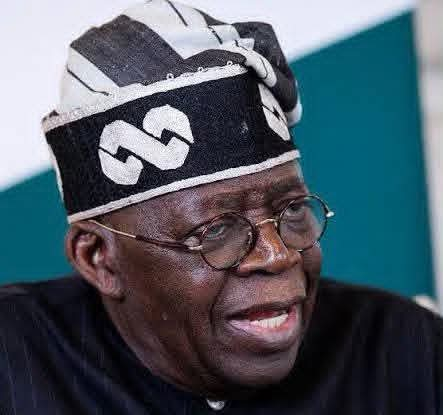
President Bola Ahmed Tinubu’s AI-generated voice clones have sparked concerns about misinformation and deepfakes in Nigeria. The debate emerged on Wednesday during the Federal Executive Council (FEC) meeting in Abuja. The meeting, which Tinubu chaired, marked the council’s fifth sitting in 2026. Meanwhile, Health Minister Prof. Ali Pate monitored Ebola precautions following Nigeria’s first imported case. The incident has renewed calls for regulations governing artificial intelligence and digital deception.
Tinubu’s FEC Meetings Raise Questions
Comparing Tinubu’s administration with his predecessor, Muhammadu Buhari, highlights a significant difference in cabinet meetings.
Under Buhari, the Federal Executive Council could hold up to 44 meetings annually. However, Tinubu’s administration has recorded only five meetings in 2026.
The irregular schedule has also produced unusual situations. On at least two occasions, ministers gathered for meetings that never took place.
The Secretary to the Government of the Federation subsequently announced postponements. However, officials provided no immediate explanation beyond promises of new dates.
Therefore, Wednesday’s meeting marked another gathering after a lengthy break. It was also the first FEC meeting since August.
Ali Pate Leads Ebola Precaution Measures
Before the meeting commenced, Coordinating Minister of Health Prof. Ali Pate stood near the Council Chamber entrance.
Wearing a white agbada and black cap, Pate monitored security officials distributing hand sanitiser.
His presence followed Nigeria’s confirmation of its first imported Ebola case in Abuja on October 20.
Authorities had evacuated the infected patient to Switzerland. Meanwhile, more than 50 contacts remained under medical observation.
Consequently, Pate took additional precautions as ministers entered the chamber.
The situation also produced a humorous moment involving Solid Minerals Development Minister Dele Alake.
Alake reportedly returned to tease Pate about his temporary role as the cabinet’s health prefect.
Tinubu Chairs Fifth FEC Meeting Of 2026
Inside the chamber, ministers exchanged greetings and discussed various personal and official matters.
Their conversations covered government activities, family issues and political developments.
At approximately 2:34 p.m., President Tinubu entered the chamber and led the national anthem.
He subsequently presided over the council meeting.
However, the President reportedly had preparations for his planned Makkah trip on his mind.
The following day, Tinubu departed for Makkah to perform Umrah. He is expected to return to Nigeria next week.
AI-Generated Tinubu Videos Flood Social Media
Beyond the FEC meeting, another development involving the President has attracted public attention.
AI-generated videos featuring Tinubu’s cloned voice have flooded social media platforms.
Several videos carry captions such as “I for don give up but na Tinubu motivate me today.”
Others describe the recordings as Monday motivation from the President.
Most combine existing footage of Tinubu with artificial intelligence-generated voiceovers.
The recordings feature motivational messages about wealth creation, determination and overcoming poverty.
Some also use philosophical references and political personalities to make the messages appear convincing.
One popular recording discusses overnight success, poverty and the struggles associated with building wealth.
Another mentions politicians such as Senate President Godswill Akpabio, Nyesom Wike and Atiku Abubakar.
However, these statements do not necessarily represent the President’s actual speeches or opinions.
Deepfake Technology Raises Fraud Concerns
Clearly labelled parody accounts can operate within the boundaries of creative expression.
However, accounts that impersonate public officials create a different problem.
When someone uses a cloned presidential voice to deceive audiences, the issue goes beyond satire.
It raises serious concerns about fraud, misinformation and public trust.
A parody account that identifies itself as AI-generated gives audiences important context.
Conversely, a deceptive account that presents fabricated statements as genuine presidential remarks misleads the public.
The growing popularity of these recordings makes the distinction increasingly important.
Nigeria Needs Clear Laws On AI Deepfakes
Nigeria currently lacks a specific law designed exclusively to regulate deepfakes.
Nevertheless, the Independent National Electoral Commission (INEC) has warned about AI-generated videos and voice recordings.
The commission has raised concerns about their potential impact on electoral credibility.
With the 2027 general elections approaching, manipulated political content could create serious challenges.
For instance, an AI-generated presidential recording could announce a false state of emergency or election date.
Such content could confuse citizens and undermine confidence in public institutions.
Therefore, Nigeria needs clear regulations that address digital impersonation without suppressing legitimate creativity.
Europe Introduces AI Disclosure Requirements
Europe has taken steps towards regulating artificially generated content.
Under the European Union’s AI Act, transparency obligations require certain deepfake content disclosures.
These requirements took effect from August 2, 2026.
Such measures offer useful lessons for Nigeria as policymakers consider appropriate safeguards.
For example, creators should clearly disclose when they use a public official’s cloned voice.
Similarly, businesses should obtain consent before using someone’s voice to promote products or services.
However, regulations must distinguish between harmless satire and deliberate deception.
Overly broad laws could also threaten freedom of expression and legitimate creative activities.
AI Voice Cloning Makes Verification More Important
The growing use of cloned presidential recordings highlights another important challenge.
Many Nigerians may struggle to distinguish genuine speeches from artificially generated recordings.
An audio recording attributed to Tinubu circulated online in May before reports identified it as AI-generated.
Today, similar technology produces motivational content featuring the President’s voice.
Some recordings contain unusual statements that audiences familiar with Tinubu’s speeches may easily question.
However, others could deceive unsuspecting viewers.
The technology also creates opportunities for criminals seeking to manipulate public opinion.
Consequently, citizens must verify controversial recordings through credible news platforms and official government channels.
Protecting Public Trust Without Criminalising Creativity
The central challenge involves protecting Nigerians from deception without restricting legitimate expression.
AI technology offers opportunities for entertainment, creativity and communication.
However, its misuse can damage reputations and weaken public confidence.
Nigeria must therefore establish clear rules for AI-generated political content.
Such rules should promote transparency, consent and accountability.
Ultimately, the country must draw a clear distinction between parody and impersonation.
As AI technology advances, protecting the authenticity of public communication will become increasingly important.