



 By
By By Elizabeth Ugbo
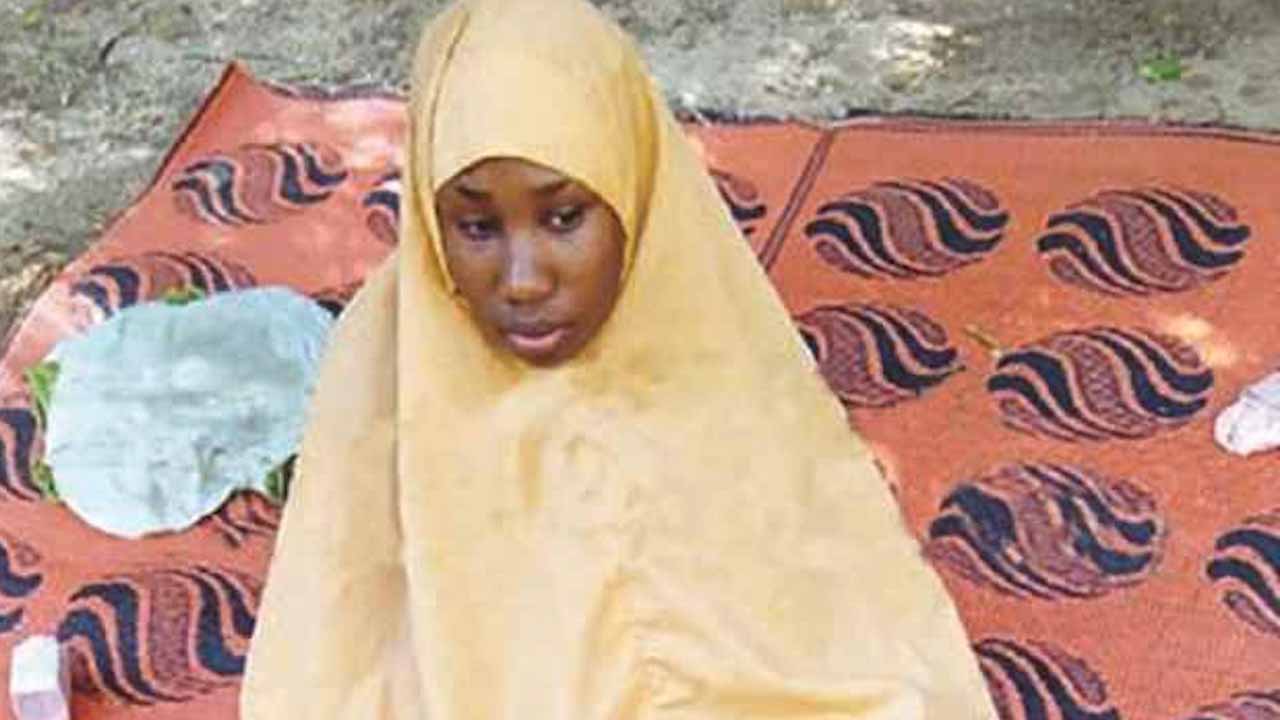
On February 19, 2018, terrorists from Boko Haram kidnapped schoolgirl Leah Sharibu in Dapchi. She refused to renounce her Christian faith. As a result, the terrorists held her back while releasing 104 classmates. Eight years later, many Nigerians still ask where Leah is, why negotiations failed, and how the government plans to secure her freedom.
Her continued captivity remains one of Nigeria’s most painful national tragedies.
A Cry for Help That Echoed Across the Nation
During the third quarter of 2018, Leah sent a heartbreaking audio message. In it, she pleaded with then-President Muhammadu Buhari to rescue her.
However, government officials said they would first verify the recording. Unfortunately, authorities never released an update confirming its authenticity before Buhari left office on May 29, 2023.
That silence deepened public frustration.
The Girl Who Defied Terror
Leah Sharibu’s refusal to renounce her faith transformed her into a symbol of courage.
Many Nigerians now regard her as a heroine. The editorial board of The Guardian Nigeria once described her as a “goddess of resistance.”
Indeed, her stand reflects courage, selflessness and hope. Despite brutal captivity, her story continues to inspire Nigerians.
Moreover, her defiance exposed the moral weakness of the terrorists who captured her.
The Unfulfilled Promise of Government
The Nigerian government promised repeatedly to secure her release.
During his 2015 campaign, former president Muhammadu Buhari vowed to rescue the Chibok schoolgirls kidnapping victims.
Yet 113 Chibok girls and Leah Sharibu reportedly remain missing.
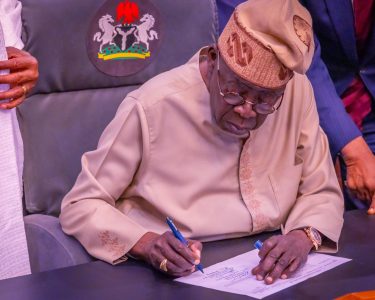
Today, the responsibility now lies with President Bola Ahmed Tinubu. Nigerians expect his administration to pursue Leah’s freedom with urgency.
A leader must show that every citizen’s life matters.
Lessons from the Zainab Aliyu Case
Many observers compare Leah’s situation with another well-known case.
In 2019, Nigerian authorities successfully secured the release of Zainab Aliyu from detention in Saudi Arabia.
The federal government acted quickly through diplomacy and negotiations.
Consequently, critics ask a painful question: why has Leah’s case remained unresolved for years?
Calls for International Support
Security experts believe Nigeria should explore every option.
For example, authorities could request assistance from international partners with counter-terrorism expertise.
National pride should never block efforts to save a citizen’s life.
Ultimately, rescuing Leah requires determination, diplomacy and intelligence cooperation.
Reports Suggest She Is Still Alive
Aid workers and former captives have provided troubling information.
Several sources claim Leah remains alive in captivity. Some reports even say she has given birth to two children.
However, officials have not confirmed these claims publicly.
As a result, uncertainty continues to torment her family.
A National Conscience Test
As political leaders prepare for the 2027 elections, many Nigerians believe Leah’s case should not fade into silence.
Her story raises serious questions about national priorities.
Nigeria must prove that it values every citizen equally, regardless of religion or region.
Leah Sharibu’s courage already defeated the ideology of terror. Yet the country must still win the battle for her freedom.
A Symbol of Courage in Dark Times
Leah’s story carries a powerful lesson.
Even in the darkest moments, courage can shine.
Her defiance shows that conviction sometimes costs freedom. Yet abandoning one’s ideals carries a greater price.
Therefore, Nigeria must remember the young girl who refused to surrender her faith.
Eight years later, the question still echoes across the nation:
Where is Leah Sharibu?