



 By
By By Elizabeth Ugbo
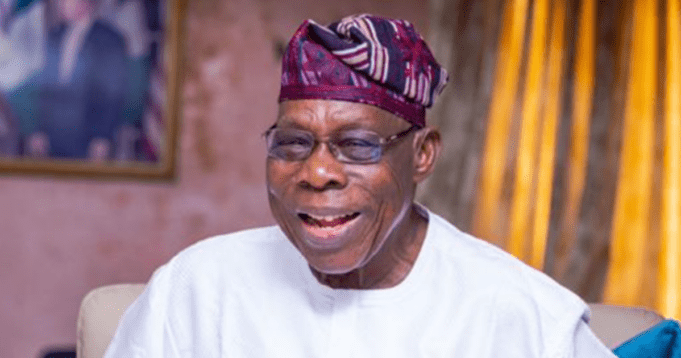
FORMER PRESIDENT Olusegun Obasanjo, speaking in Abeokuta on Wednesday during his 89th birthday colloquium, warned that Africa’s development has been stalled for decades because leaders fail to serve the people. He said the continent’s leadership crisis continues as new leaders initially promise accountability but later silence the press, harass the judiciary, and prioritize family, political allies, and business interests over public good.
Leadership Failure: The Core Issue
Obasanjo explained that Africa’s main problem is leadership failure, not geography or history. “The failure of those entrusted with power to build institutions, promote equity, and welcome accountability is the primary cause of stagnation,” he said.
He warned that leaders often start with promise but soon engage in corruption, undemocratic practices, and mismanagement, undermining democracy and economic growth.
Investing in Leadership Formation
Obasanjo urged Africa to focus on leadership formation rather than mere training. “We must teach leaders not only what to do but also form them with values to do the job right,” he said.
He stressed the importance of investing in youth. With Africa’s median age below 20, empowering young people through education, health, skills, and employment can create a demographic dividend. Otherwise, instability and insecurity will grow.
Democracy Must Be Taken Seriously
Obasanjo called on young Africans to treat democracy as a covenant with the people, not a tool for electoral advantage. Leaders must commit to governance that is accountable, transparent, selfless, and development-oriented.
He acknowledged that democracy can be slow and frustrating but insisted it is far better than past authoritarian alternatives. He suggested adapting democratic systems to suit Africa’s unique needs.
The Burden and Blessing of Leadership
Reflecting on his experience as military Head of State and elected President, Obasanjo described leadership as both a burden and a blessing.
“The loneliness of final decision is real. Every choice affects millions of lives,” he said. He recounted the Nigerian Civil War, highlighting the weight of decisions that had no textbook guidance.
He also shared the burden of public expectation during his presidency. “The people expected miracles overnight. True leadership requires holding firm even when unpopular,” he said.
Sacrifice, Justice, and Moral Self-Definition
Obasanjo explained that leadership requires sacrifices, sometimes costing friendships, alliances, or freedom. He referenced his imprisonment under the Sani Abacha regime, where he faced a kangaroo trial and near execution.
Yet leadership also brings blessings. He cited debt relief, the creation of the EFCC, and anti-corruption drives that redirected resources to schools, hospitals, and infrastructure, improving lives.
Africa’s Promise Lies in Transformational Leadership
Obasanjo concluded that Africa is not a problem to manage but a promise to fulfill through honest, courageous, and selfless leadership. He dismissed fake news about his death and affirmed he remains active and committed.
“Those who wish otherwise are wasting their time. I dey kampe as usual,” he said.
He stressed that Africa can achieve prosperity, stability, and global influence if leaders serve the people, strengthen institutions, and embrace accountability.