




 By
By By Elizabeth Ugbo
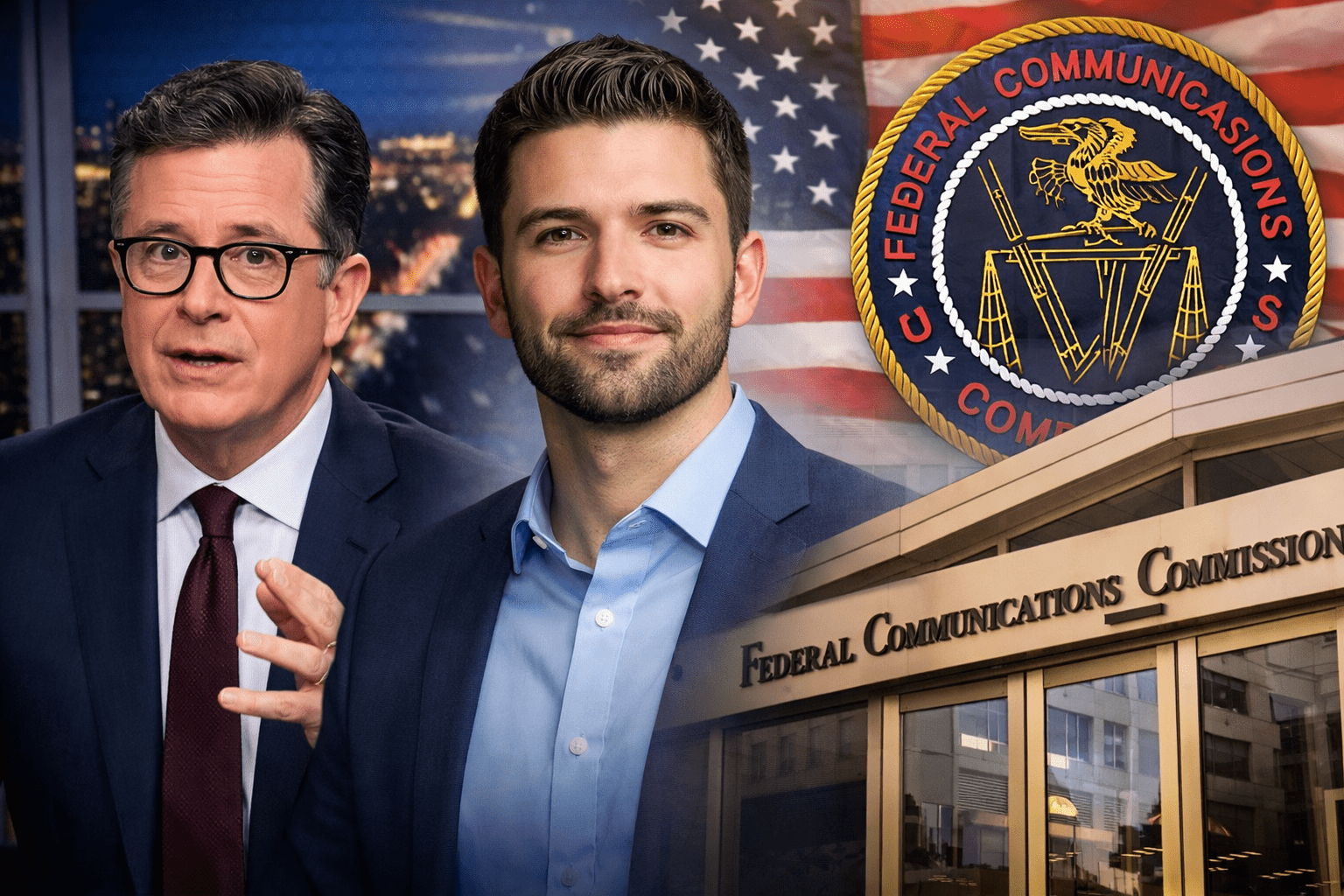
In February 2026, Stephen Colbert accused CBS of blocking an interview with James Talarico, a Democratic Senate candidate in Texas, claiming the network feared violating the FCC’s equal-time rule. CBS legal guidance suggested airing the interview could trigger obligations for other candidates, while FCC Chair Brendan Carr dismissed the claims, saying there was “zero censorship” under the rule.
Colbert Alleges Unequal Enforcement
Colbert argued the FCC enforces the equal-time rule selectively, targeting liberal-leaning broadcasters while exempting conservative outlets. The rule requires stations to offer equal opportunities to competing political candidates, but it traditionally allows exceptions for talk shows, documentaries, newscasts, and on-the-spot interviews.
After CBS guidance, Colbert posted the Talarico interview on YouTube instead of broadcasting it. The network clarified it did not block the segment, aiming to avoid triggering equal-time obligations for other candidates, including Rep. Jasmine Crockett.
FCC Chair Defends Policy
Carr told reporters that Talarico may have exploited media practices to raise money and gain attention. He reiterated that the FCC enforces the equal-time rule without censorship.
Carr also confirmed an investigation into ABC’s The View for potential violations. He questioned whether the program qualifies as “bona fide news,” which would exempt it from equal-time rules.
CBS and Colbert Respond
CBS emphasized that moving the interview online was voluntary to avoid equal-time obligations. Colbert continued criticizing the FCC’s approach, raising concerns about selective enforcement and bias against liberal content.
Implications for Political Broadcasts
The controversy highlights growing scrutiny of broadcast rules under Carr’s leadership. Political shows must now carefully navigate equal-time regulations, as enforcement pressure rises, especially for liberal-leaning programs.