



 By
By By Elizabeth Ugbo
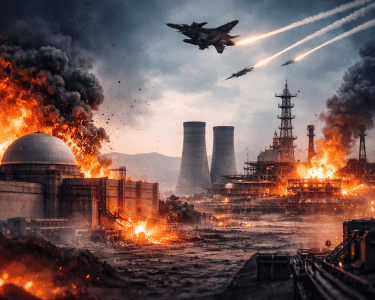
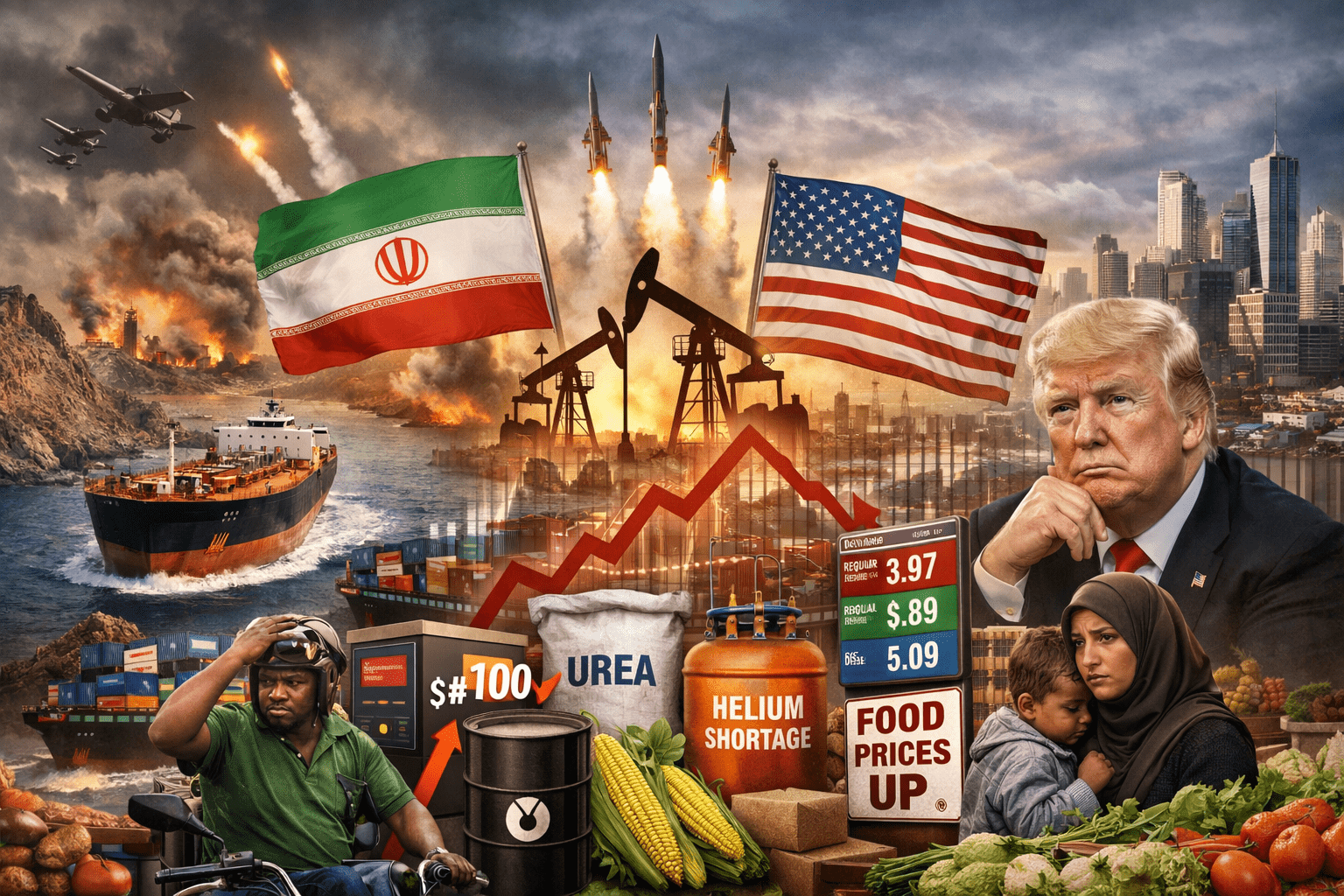
The ongoing conflict involving Iran, Israel, and the United States has triggered a global economic shock that is disrupting oil supply, raising fuel prices, and increasing inflation worldwide. The war affects countries across Asia, Africa, Europe, and the Americas. It began in the Middle East, involves major global powers, and escalated through military attacks and energy blockades. As a result, governments are struggling to stabilize fuel markets and protect citizens. The crisis continues with no clear resolution in sight.
Global Energy Crisis Intensifies
The Middle East conflict has pushed global oil prices sharply higher.
This has led to increased transport costs and inflation across many countries.
Airlines now pay more for jet fuel. Shipping companies also face rising costs.
As a result, goods and services are becoming more expensive worldwide.
In addition, disruptions in the Strait of Hormuz have tightened global supply.
This waterway remains critical for global crude oil transportation.
Fertilizer, Helium, and Industrial Supply Disruptions
The crisis is not limited to oil markets.
It is also affecting global fertilizer production and food supply chains.
Nitrogen-based fertilizers, especially urea, are now more expensive.
This raises concerns for global food production and agriculture stability.
Helium supply chains have also been disrupted.
Helium is essential for medical imaging, aerospace, and semiconductor manufacturing.
These shortages are increasing pressure on advanced industries and healthcare systems.
Economic Impact on the United States and Europe
Higher fuel prices are affecting households and businesses.
Transportation costs have increased significantly in recent weeks.
Airlines are cutting routes due to rising operational expenses.
Truck-dependent supply chains are also experiencing rising costs.
Consumers now face higher prices for food, housing, and healthcare.
Economic pressure continues to build in major economies.
Severe Effects on Developing Economies
Developing countries are facing the worst impact of the crisis.
Many depend heavily on imported fuel and energy.
Countries like Pakistan, Bangladesh, and Egypt are struggling with rising costs.
Some governments are introducing fuel rationing and work-from-home policies.
Economic pressure is also increasing in African nations, including Nigeria.
Fuel price hikes are reducing household income and purchasing power.
Transport workers, especially motorcycle riders, are heavily affected.
Daily earnings no longer match rising fuel expenses.
Nigeria Faces Rising Cost of Living Pressure
In Nigeria, fuel prices have risen sharply in recent months.
This has increased transport fares and food inflation.
Workers are demanding relief measures from the government.
Some states have introduced transport allowances to ease hardship.
Economic analysts warn that inflation may remain high if fuel prices persist.
This continues to affect small businesses and informal workers.
Political Tensions and Global Negotiations
Diplomatic negotiations remain uncertain and highly complex.
Both sides continue to present strong conditions for peace talks.
Efforts by global leaders aim to reduce escalation.
However, disagreements over security and energy control persist.
The Strait of Hormuz remains a key geopolitical flashpoint.
Its stability is critical for global energy security.
Conclusion
The ongoing conflict has created a global ripple effect.
Energy markets, food systems, and industries are all under pressure.
Without a diplomatic breakthrough, economic instability may continue.
Governments worldwide are now working to reduce the impact on citizens.