



 By
By By Elizabeth Ugbo
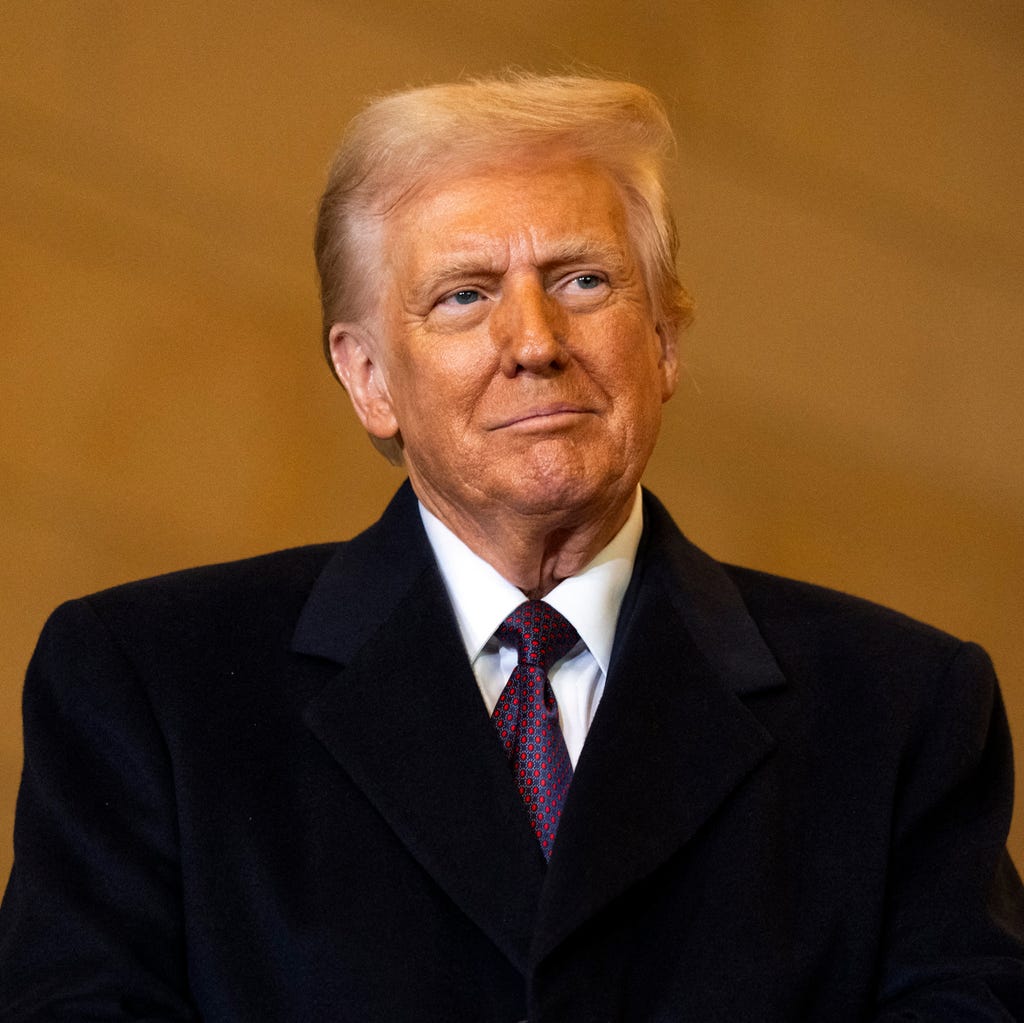
Tensions in the Middle East escalated on Monday after Donald Trump claimed the United States held talks with Iran, while Tehran denied any dialogue following a deadly joint offensive by the United States and Israel that reportedly killed Ali Khamenei and triggered retaliatory strikes across the region.
Iran Denies US Talks Amid Escalating Conflict
Iran’s Foreign Ministry has firmly rejected claims of ongoing discussions with Washington. However, Trump insisted that both sides held “very good and productive conversations.”
According to Iran, no such engagement took place. A source quoted by Mehr News Agency described Trump’s remarks as politically motivated.
The source argued that the claims aim to stabilise global energy markets and buy time for military planning.
Trump Announces Temporary Pause in Strikes
Meanwhile, Trump revealed he ordered a five-day delay in planned attacks on Iranian infrastructure.
He said the decision followed constructive engagements over the past two days. In addition, he noted that discussions would continue throughout the week.
However, he stressed that the pause depends on the success of ongoing interactions.
Regional Conflict Deepens After Joint Offensive
The crisis intensified after a joint military operation by the US and Israel targeted Iranian facilities.
The strikes caused heavy casualties and damaged critical infrastructure. Notably, reports indicated that Khamenei died during the attack.
In response, Iran launched drone and missile strikes targeting Israel and neighbouring countries. These include Jordan, Iraq, and several Gulf states hosting US forces.
Retaliatory Attacks Disrupt Global Markets
Iran’s counterattacks caused casualties and infrastructure damage across multiple locations.
Consequently, global markets reacted sharply. The energy and aviation sectors recorded significant disruptions.
Analysts say rising tensions could push oil prices higher and destabilise supply chains.
Mediation Efforts Signal Urgent Need for De-escalation
At the same time, regional actors have stepped in to mediate the crisis.
These efforts highlight the urgency of de-escalation. However, both sides maintain sharply conflicting positions.
Iran insists it did not start the conflict. Therefore, it believes responsibility lies with Washington.
Uncertainty Clouds Diplomatic Breakthrough
Despite Trump’s optimism, Iran continues to deny any talks.
This contradiction underscores deep mistrust between both countries.
Although the temporary pause offers a narrow window, prospects for peace remain unclear. Without mutual acknowledgment, a diplomatic breakthrough appears unlikely.