



 By
By By Elizabeth Ugbo
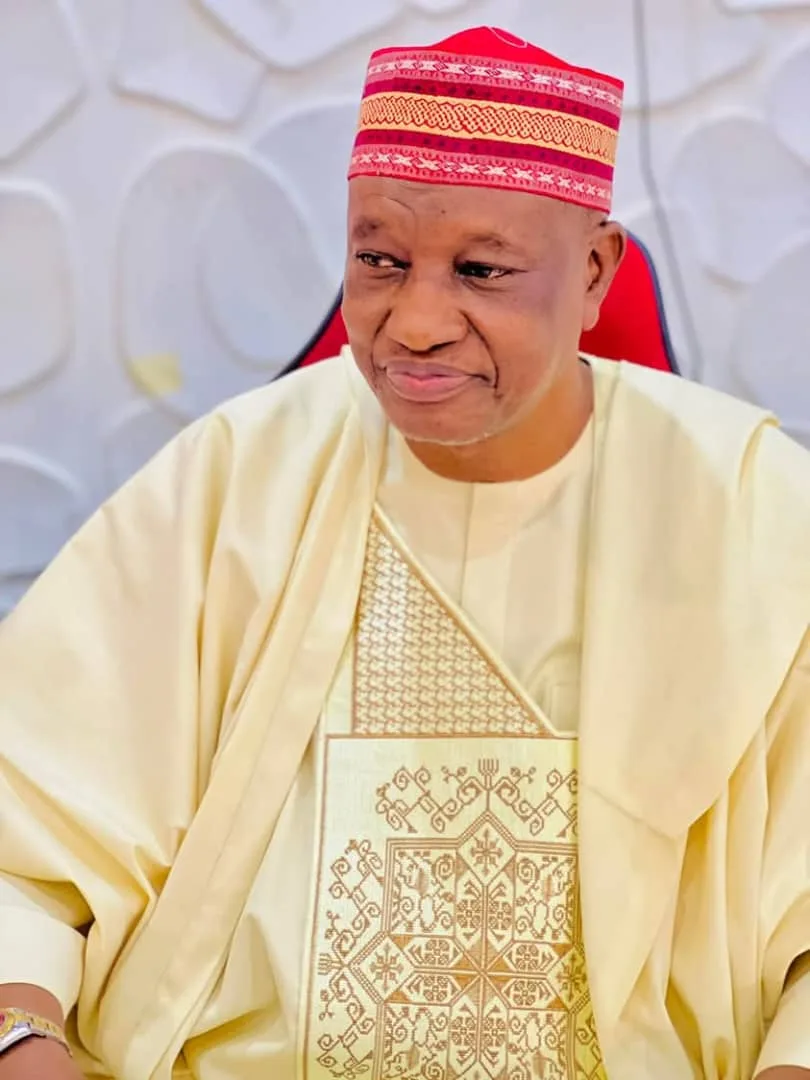
Deputy Governor of Kano State, Aminu Abdussalam Gwarzo, resigned on Friday in Kano after the Kano State House of Assembly began impeachment proceedings against him. The resignation followed rising political tensions and a failed court attempt to stop the process. His exit aims to prevent further crisis and allow governance to continue smoothly.
Background to the Resignation
The resignation comes days after lawmakers initiated impeachment moves over unresolved allegations.
Earlier, a Federal High Court in Kano refused his request to halt the process. As a result, the legislative action continued without legal interruption.
According to the Kwankwasiyya Movement, the situation limited his ability to function effectively. Therefore, stepping down became necessary.
Kwankwasiyya Movement Reacts
The movement described the resignation as a tough but responsible decision.
Spokesperson Habibu Sale Mohammed confirmed the development in an official statement.
He stated that recent events had restricted the deputy governor from fully performing his duties. Consequently, the office needed to operate without disruption.
Abdussalam Maintains Innocence
Despite the resignation, Abdussalam denied all allegations.
The movement emphasized that his decision does not imply guilt. Instead, it reflects a commitment to peace and stability.
They also highlighted his track record in public service as evidence of integrity.
Focus on 2027 Political Strategy
Following his exit, Abdussalam plans to focus on strengthening the Kwankwasiyya Movement.
He will dedicate time to rebuilding structures and forming new political alliances. Moreover, preparations for the 2027 general elections will take priority.
Call for Calm in Kano
The movement urged Kano residents to remain calm and law-abiding.
It also encouraged continued commitment to democratic values. Meanwhile, further updates will be shared with the public in due course.
Why the Resignation Matters
This development marks a significant shift in Kano’s political landscape.
It prevents a prolonged crisis that could disrupt governance. Additionally, it sets the stage for new political alignments ahead of 2027.