



 By
By By Elizabeth Ugbo
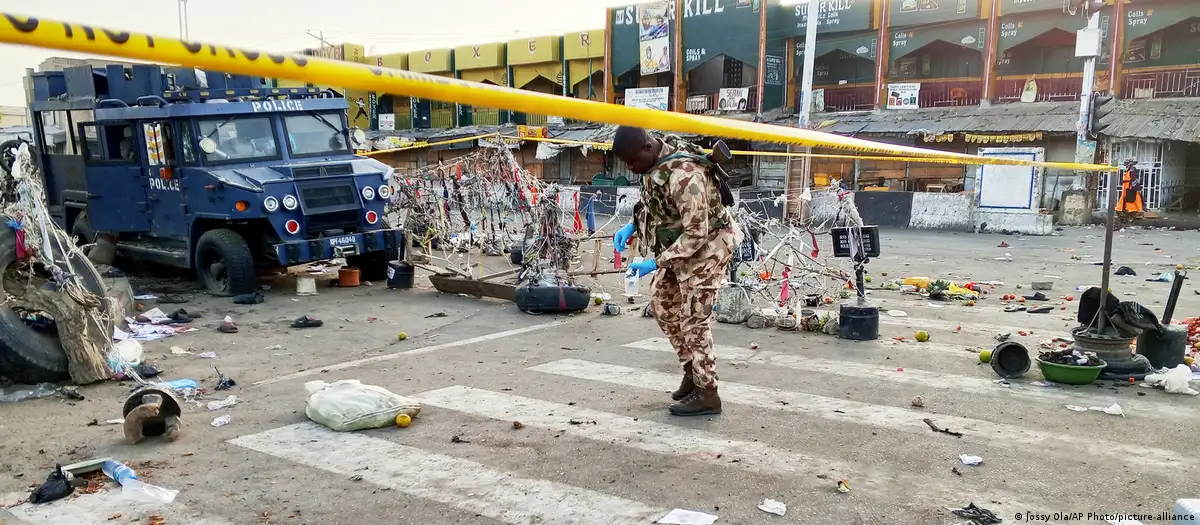
On March 16, 2026, multiple suicide bombings struck Maiduguri in Borno State, Nigeria. The attacks hit the Monday Market, post office area, University of Maiduguri Teaching Hospital gate, and Kaleri district. At least 23 people died, while 108 others sustained injuries. The victims included traders, students, hospital visitors, and residents. Insurgents linked to Boko Haram factions carried out the attacks in the evening, targeting crowded civilian spaces.
A Familiar Tragedy Becoming Routine
Maiduguri has suffered repeated violence over the years. However, constant attacks now risk becoming normalized. Repetition creates distance, and distance weakens empathy. As a result, many Nigerians now absorb such tragedies as routine events.
This growing moral fatigue threatens national unity. When citizens accept violence as normal, accountability declines. Moreover, urgency disappears from public response.
Beyond Terrorism: The Psychology of Prolonged Insecurity
The crisis extends beyond Boko Haram or ISWAP. Prolonged insecurity shapes political behavior and public expectations. Leaders often manage violence instead of ending it. Meanwhile, citizens adapt to survival rather than demand protection.
Consequently, national attention shifts toward politics, elections, and elite disputes. In contrast, everyday violence fades into the background. This shift creates a dangerous imbalance in national priorities.
Warning Signs Ignored
Warning signals existed before the March 2026 attacks. In April 2025, Governor Babagana Zulum raised concerns about regrouping insurgents. Analysts also warned about evolving tactics and coordinated assaults.
Despite these alerts, authorities reacted only after the bombings occurred. This reactive pattern continues to define Nigeria’s security approach. Therefore, preventable tragedies keep recurring.
Measuring the Value of Human Life
A government’s true commitment shows through preparedness, not condolences. Effective systems should include:
- Strong intelligence networks
- Rapid emergency response
- Functional hospitals for mass casualties
- Transparent victim compensation
However, gaps remain in these areas. As a result, many victims’ families feel abandoned after attacks.
The Inequality of Grief in Nigeria
Not all deaths receive equal attention in Nigeria. Attacks in major cities often trigger stronger reactions. Meanwhile, violence in Maiduguri receives brief national focus.
This disparity creates a hierarchy of grief. Some lives appear more valued than others. Consequently, citizens in conflict zones feel invisible and neglected.
The Human Cost Behind the Numbers
Statistics often hide personal suffering. Every casualty represents a broken family and lost future. For example:
- A child loses a parent
- A family loses income
- Survivors carry lasting trauma
Highlighting these stories encourages empathy and action. Therefore, policymakers must prioritize human-centered responses.
Government Response: Action but Not Enough
The federal government condemned the attacks. President Bola Tinubu ordered security chiefs to relocate to Maiduguri. Additionally, Operation Hadin Kai increased patrols and surveillance.
Soon after, troops repelled an insurgent attack in Mallam Fatori. This response showed that the threat remains widespread. However, these actions still reflect a reactive strategy.
Maiduguri as a National Moral Test
Maiduguri represents more than a security challenge. It tests Nigeria’s commitment to equal citizenship. A nation must value every life equally, regardless of location or status.
Unfortunately, many citizens feel the burden of insecurity falls on the poor. Meanwhile, political elites continue normal routines. This imbalance deepens public frustration.
The Danger of Normalizing Violence
Familiarity with violence creates dangerous acceptance. When mass deaths no longer shock the nation, democracy weakens. Over time, the state risks losing its moral authority.
Therefore, Nigeria must resist this normalization. Every attack should trigger national reflection and decisive action.
Conclusion: Restoring Equal Value to Every Nigerian Life
Nigeria must move beyond routine responses to terrorism. Condemnations alone cannot solve the crisis. Instead, leaders must align policy, action, and empathy.
Every Nigerian life must carry equal value. No grieving community should feel ignored. Ultimately, legitimacy depends on protecting citizens consistently.
Maiduguri’s tragedy should not fade into memory. It should drive lasting reform and national accountability.