



 By
By By Elizabeth Ugbo
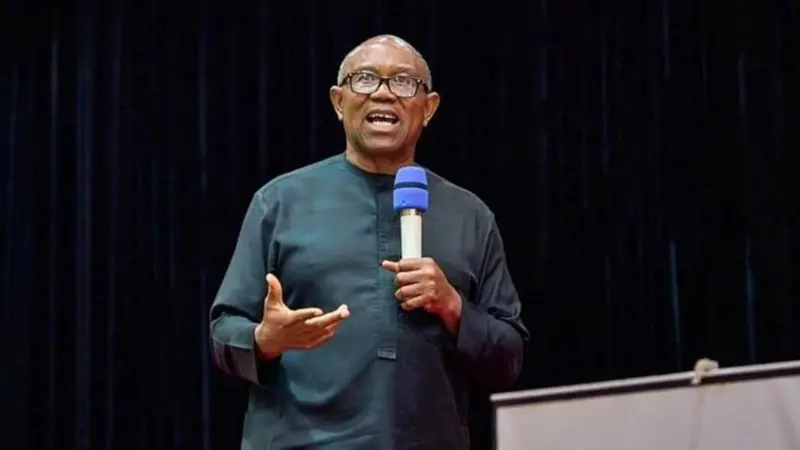
The debate over Nigeria’s rising fuel prices intensified after comments by Peter Obi, former governor of Anambra State, and the response from the administration of Bola Ahmed Tinubu. The disagreement centers on why petrol prices keep rising in Nigeria, when the country produces crude oil. Obi argued that Nigeria should build strategic petroleum reserves to shield citizens from global shocks. Meanwhile, the Presidency insisted that fuel prices now reflect global market realities after subsidy removal. The issue matters because sudden price increases affect transportation, businesses and household survival across the country.
Strategic Petroleum Reserves and Global Practice
The Presidency stated that even large economies such as the United States and China maintain petroleum reserves mainly for emergencies. These include wars, embargoes and supply disruptions.
Supporters of this argument believe Nigeria’s current fuel price rise stems largely from market deregulation. According to the government, petrol prices now respond directly to global oil prices, exchange rates, shipping costs and supply risks.
However, critics argue that Nigeria’s case should be different. Nigeria produces crude oil in large quantities. Therefore, many analysts believe domestic fuel pricing should not depend heavily on global market pressures.
Obi’s Argument: Nigeria Failed to Plan
Obi insists that Nigeria’s vulnerability shows a deeper planning failure. In his view, countries that prepare ahead build buffers that reduce the impact of global shocks.
He argues that strategic petroleum reserves help stabilise supply and prices when international crises disrupt oil markets. Without such reserves, price shocks hit the economy immediately.
According to Obi, Nigeria’s dependence on imported refined products explains why global events quickly affect fuel prices locally. His position therefore emphasises planning, domestic refining and supply independence.
Deregulation and Market Forces
The government, on the other hand, defends deregulation. Officials argue that removing fuel subsidies allows the market to determine prices.
They also insist that fuel prices will inevitably fluctuate in response to international events. For instance, tensions in the Middle East often influence global oil supply.
From this perspective, Nigeria cannot isolate itself completely from global energy dynamics.
Monopoly Concerns in the Oil Industry
Another concern raised in the debate is market dominance within Nigeria’s refining sector. Some critics fear that limited competition could create a pricing monopoly in the local fuel market.
This concern echoes ideas discussed by Adam Smith, widely known as the father of modern capitalism. Smith warned that market actors naturally pursue their own interests.
Therefore, governments must design policies that prevent monopolies and protect consumers.
Critics argue that without strong regulatory frameworks, market deregulation may allow powerful industry players to influence fuel prices.
Fuel Price Hikes and Economic Impact
Fuel prices in Nigeria recently increased sharply following geopolitical tensions involving the United States, Israel and Iran.
Petrol prices reportedly rose by about 40 percent within days, while diesel prices increased by roughly 50 percent.
These increases quickly affected transportation costs and production expenses. Consequently, many Nigerians struggled with higher living costs.
The Importance of Civil Policy Debate
Despite the policy disagreement, the debate highlights a broader issue: how national discussions should occur.
Obi presented his arguments as policy suggestions. He emphasised planning and energy independence as solutions. However, critics say the government’s response focused more on dismissing his claims than debating the substance.
Healthy democratic systems thrive on respectful disagreement. When policymakers exchange ideas constructively, societies develop stronger solutions.
The Core Question: Planning or Pure Deregulation?
At the heart of the debate lies a fundamental policy question.
Should Nigeria rely fully on deregulated markets?
Or should the government maintain strategic buffers to protect citizens from global disruptions?
Countries that prioritise long-term planning often combine market systems with strategic safeguards. These include reserves, domestic refining capacity and energy security policies.
For Nigeria, the challenge remains clear: build an energy system that protects citizens while supporting economic stability.
Conclusion
Nigeria’s fuel price debate reflects deeper concerns about economic planning, energy independence and governance. Obi’s argument stresses preparation and strategic reserves. The government’s response emphasises market-driven pricing after subsidy removal.
Ultimately, the solution may require balancing deregulation with national energy security planning.