



 By
By By Elizabeth Ugbo
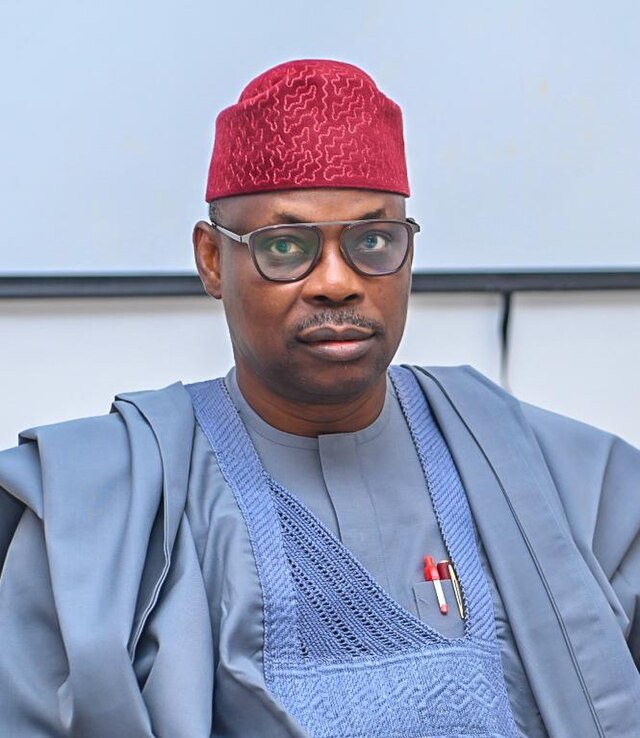
Nigeria faces a worsening health workforce crisis as Health Minister Iziaq Salako warned on Monday at the United Kingdom Global Health Summit 2026 in London. He revealed that mass migration of health workers has strained the system. He also announced a diaspora-led medical mission scheduled between April and July 2026.
Diaspora Health Professionals to Support Nigeria
Salako said seven Nigerian healthcare diaspora associations will coordinate a medical mission across Nigeria. The teams will come from the UK, the United States, Canada, Germany, Australia, and South Africa.
The initiative will focus on knowledge transfer, skills development, and strengthening health institutions. Nigeria has over 150,000 health professionals abroad, many in senior roles.
He described them as a strategic asset. He stressed that their expertise can help bridge critical gaps.
Brain Drain Worsens Healthcare Shortage
However, the migration of health workers continues to weaken Nigeria’s system. Salako said about 13,609 Nigerian health workers moved to the UK between 2021 and 2022.
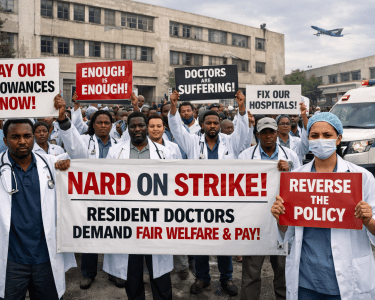
In addition, a 2023 survey by NOI Polls and Nigeria Health Watch showed that 57 percent of doctors plan to leave Nigeria.
Nigeria currently has about four doctors per 10,000 people. This falls far below the benchmark set by the World Health Organization.
Salako explained that each doctor costs over $200,000 to train. Therefore, migration leads to a major loss of public investment.
Government Expands Training and Workforce Capacity
To address shortages, the government has increased medical training capacity. Medical school admissions rose by 160 percent between 2023 and 2025.
Training for nurses, pharmacists, and laboratory scientists also expanded. Authorities now promote task-shifting to improve service delivery in underserved areas.
Furthermore, the government strengthens community health worker programs. Salako said a resilient system needs a diverse workforce.
Health Sector Reform Gains Momentum
The administration of Bola Tinubu launched the Nigeria Health Sector Renewal Investment Initiative. The plan aims to improve coordination and funding.
It operates under “One Plan, One Budget, and One Conversation.” This framework seeks better accountability and efficiency.
Climate Change and Global Pressures Impact Healthcare
Salako warned that climate change is worsening health outcomes. He cited rising heat-related deaths and extreme weather events.
In Nigeria, desertification, flooding, and pollution increase disease outbreaks and displacement.
He added that global economic pressures may reduce health funding. The International Monetary Fund projects slower global growth in 2026.
Call for Global Cooperation on Health Workforce
Salako urged developed countries to adopt ethical recruitment practices. He called for full implementation of global health workforce guidelines.
He also advocated bilateral agreements. These would allow skill exchange while ensuring benefits return to Nigeria.
“No nation can solve this crisis alone,” he said. “Stronger health systems are essential for global security.”
Nigeria’s Healthcare System Under Pressure
Nigeria, with over 220 million people, still struggles with poor facilities and limited access to care. Rural communities face the worst conditions.
Experts warn that continued migration will further weaken public hospitals. Salako described the crisis as urgent and ongoing.
“Africa carries over a quarter of global disease burden,” he said. “Yet it has less than three percent of the health workforce.”