



 By
By By Elizabeth Ugbo
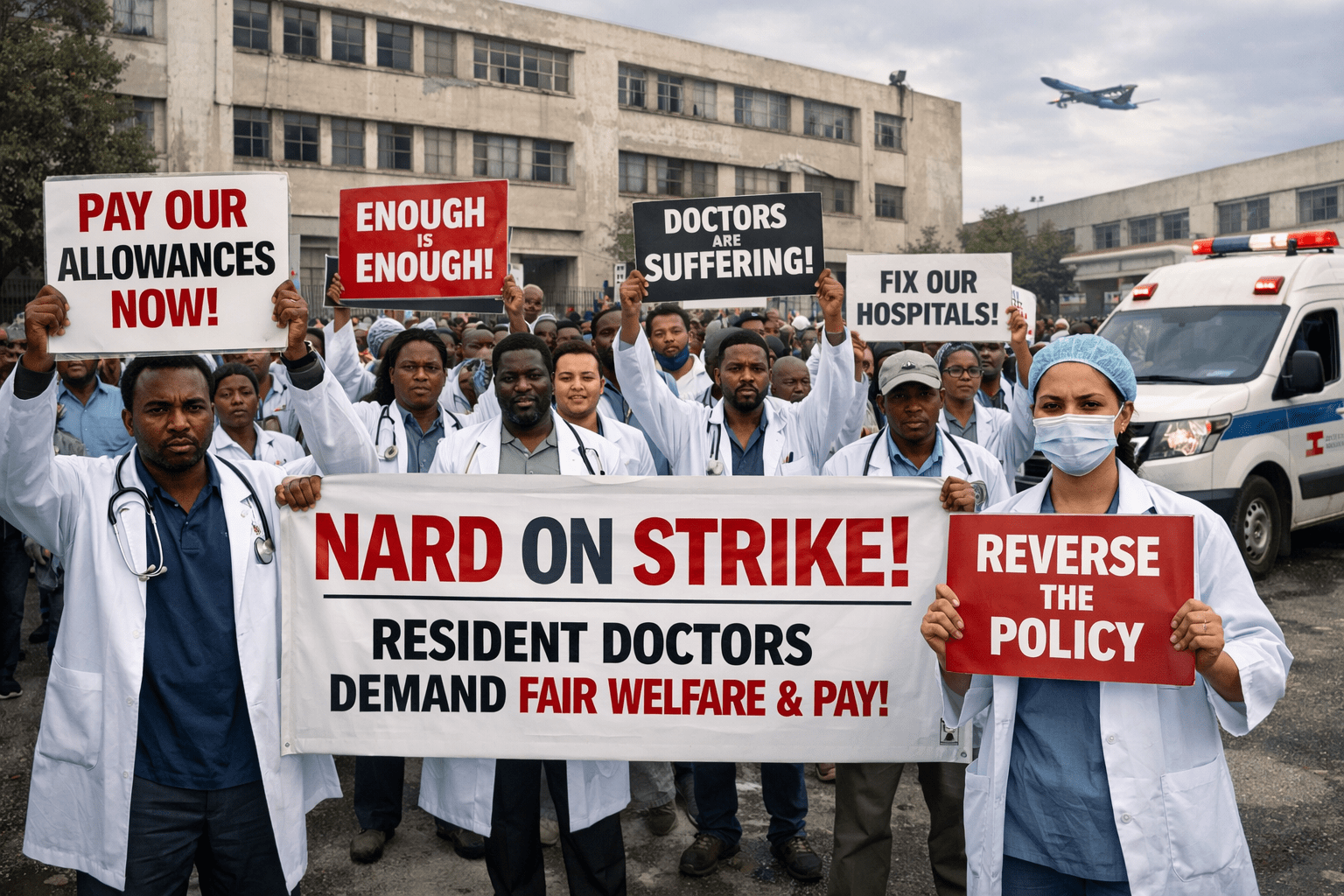
Resident doctors under the Nigerian Association of Resident Doctors (NARD) began a nationwide strike on April 7, 2026, across federal and state hospitals in Nigeria, protesting unpaid allowances, poor welfare, and the Federal Government’s halt of a key allowance policy, in a move that threatens healthcare services and reflects deepening tensions in the sector.
Why Doctors Are Striking Again
First, NARD blamed the Federal Government for suspending the revised Professional Allowance Table. This policy formed a major part of the 2025 agreement.
The association described the decision as “unfortunate.” It also warned that the move could trigger another avoidable crisis.
As a result, the National Executive Council approved a total and comprehensive strike.
Key Demands by NARD
The doctors outlined several urgent demands:
- Immediate reversal of the allowance policy suspension
- Payment of promotion and salary arrears
- Settlement of 19 months’ outstanding allowances
- Release of the 2026 Medical Residency Training Fund
At the centre of the dispute is the Professional Allowance Table. It standardises payments like call duty and shift allowances.
Welfare Concerns and Poor Working Conditions
In addition, doctors highlighted poor welfare conditions. Many complained about delayed and inadequate allowances.
They also cited insufficient funding for training. This gap continues to affect performance and career growth.
Moreover, poor hospital infrastructure remains a major concern. Doctors say working conditions have not improved despite past agreements.
Brain Drain Worsens Healthcare Crisis
Another major issue is the migration of Nigerian doctors abroad. Many leave in search of better opportunities.
Consequently, the remaining doctors face heavier workloads. This situation leads to stress, burnout, and low morale.
History of Recent Strikes
Notably, resident doctors have engaged in repeated industrial actions:
- July 26 – August 12, 2023: 17-day strike
- September 2025: 5-day warning strike
- November 2025: 29-day full strike
Altogether, doctors have spent 51 days on strike since May 2023.
Impact of Fuel Subsidy Removal
The 2023 strike followed rising economic hardship. After the fuel subsidy removal on May 29, 2023, living costs surged.
However, salaries remained unchanged. Doctors struggled to meet basic needs, which intensified grievances.
Growing Pattern of Disputes
An analysis shows a recurring pattern of disputes between NARD and the government. Agreements often fail during implementation.
Therefore, trust between both parties continues to weaken.
Healthcare Services at Risk
Meanwhile, the ongoing strike threatens to disrupt healthcare services nationwide. Patients in public hospitals may face delays or lack of care.
If the situation persists, pressure on private hospitals could increase significantly.