



 By
By By Elizabeth Ugbo
Nigerian workers across Lagos, Abuja, Rivers, Kano and other states are demanding urgent government intervention as petrol prices surge to between ₦1,200 and ₦1,450 per litre. Workers, labour leaders and civil servants say the rising costs—driven by the removal of fuel subsidy by President Bola Ahmed Tinubu and the ongoing Israel–Iran conflict—have sharply increased transportation and living expenses. The crisis has worsened inflation, reduced purchasing power and forced many workers to cut workdays or quit their jobs entirely.
Workers Demand Urgent Government Intervention
Organised labour says palliatives alone cannot resolve the economic pressure facing millions of Nigerians.
Workers insist that fuel price instability affects every class of citizens. They want comprehensive policies that stabilise fuel prices and reduce the cost of essential goods.
Labour leaders also warned against using relief packages as political patronage.
According to them, government interventions must reach ordinary citizens directly.
Rising Fuel Prices Trigger Nationwide Hardship
Fuel prices have climbed sharply since the government removed the subsidy on petrol in May 2023.
Since then, the petroleum sector has experienced constant price fluctuations.
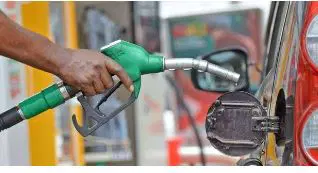
Currently, petrol sells between ₦1,200 and ₦1,450 per litre in major cities, including Lagos, Abuja, Port Harcourt and Kano.
As a result, transport fares have increased dramatically. Food prices and other household costs have also surged.
Workers now face severe financial pressure as wages remain largely unchanged.
Transport Costs Now Consume Workers’ Salaries
Many workers say commuting has become extremely expensive.
Employees travelling from satellite towns around Abuja report spending most of their salaries on transport.
Affected areas include Mararaba, Suleja, Gwagwalada, Kuje, Kwali, Masaka, Keffi and Abaji.
One civil servant in Lagos described the situation as overwhelming.
“It feels like our salaries disappear before we even use them.”
Another private sector worker shared a similar concern.
“I now spend over 80 percent of my salary just getting to work.”
Consequently, many workers struggle to save or support their families.
Remote Work and CNG Provide Limited Relief
Some companies now allow remote work to reduce commuting costs.
Meanwhile, the government promotes Compressed Natural Gas (CNG) as an alternative fuel.
However, workers say the programme remains limited and cannot solve the wider fuel crisis.
Labour Leaders Describe Crisis as Unprecedented
Speaking on the issue, Olowoyo Gbenga, National Secretary of the Joint National Public Service Negotiating Council and General Secretary of the Nigeria Civil Service Union, said complaints from workers have increased nationwide.
He described the current situation as unprecedented.
According to him, workers across several states report severe economic pressure.
SMEs Struggle as Fuel Prices Affect Businesses
The fuel price surge has also disrupted small businesses.
Many small and medium enterprises now reduce operating hours to cut costs.
Others have shut down completely because of rising transport and logistics expenses.
This trend threatens jobs and slows economic activity across the country.
Mental Health Concerns Rise Among Workers
Financial stress has also affected workers’ mental wellbeing.
Many employees report growing anxiety and depression due to daily economic pressure.
Labour groups warn that the crisis could worsen if authorities fail to act quickly.
Workers Question Role of Oil Sector Players
Workers have also raised concerns about Nigeria’s oil sector.
Many question how global tensions affect local fuel prices.
They also ask about the role of the Dangote Refinery and independent marketers in price determination.
However, clear answers remain scarce, which increases public frustration.
Calls for Immediate Policy Action
Labour leaders insist that the government must act quickly.
They warn that continued fuel price increases could deepen poverty and economic hardship.
Workers say decisive action can protect jobs, stabilize transport costs and improve living conditions nationwide.