



 By
By By Elizabeth Ugbo
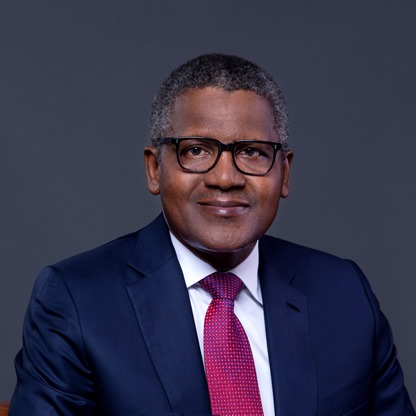
The President of Dangote Industries Limited, Aliko Dangote, on Tuesday called on the Federal Government of Nigeria to convene a national power retreat in Abuja to fix Nigeria’s electricity crisis, warning that unstable supply threatens industrial growth, job creation, and economic expansion.
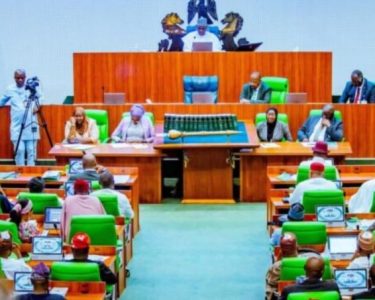
Dangote made this call at the national launch of the National Industrial Policy 2025. The event carried the theme, “From Policy to Productivity: Implementing Nigeria’s Industrial Future.”
Top government officials and business leaders attended the event. President Bola Tinubu was represented by Vice President Kashim Shettima.
Power Crisis Threatens Industrial Growth
Dangote stressed that electricity remains the backbone of industrial development. He noted that no country can grow its economy without stable power.
“Power means growth. No power, no growth,” he said.
According to him, Nigeria cannot create jobs or increase productivity without fixing electricity challenges. Therefore, he urged the Vice President to organise a one- or two-day national retreat to resolve the issue.
His remarks drew applause from participants at the event.
Manufacturing Sector Struggles With High Costs
Nigeria’s manufacturing sector continues to struggle. Poor electricity supply, high production costs, and limited access to finance have weakened the sector. In addition, infrastructure gaps and heavy import dependence worsen the situation.
Dangote explained that many factories spend more on generating electricity than producing goods. As a result, manufacturers rely heavily on diesel and alternative power sources.
“You must build your own power plant and keep a standby. That does not make sense,” he said.
Recently, a five-day gas maintenance shutdown disrupted electricity supply nationwide. Seven power plants faced gas constraints after Seplat Energy closed a major facility for scheduled maintenance. Consequently, generation dropped and blackouts spread across the country.
Policy Incentives Not Enough
Dangote praised the government’s industrial policies. However, he insisted that incentives alone cannot drive growth.
“The policies are good, and Nigeria is a big market,” he said. “But policy without infrastructure will not work.”
He emphasised the need to protect domestic industries from excessive imports. According to him, importation weakens local production and exports jobs.
“Importation of anything is importation of poverty and exportation of jobs,” he stated.
Furthermore, he warned that dumping and unfair competition could destroy local businesses. He urged the government to consider local constraints such as high interest rates and energy costs.
Private Sector Role in Economic Growth
Dangote highlighted the strong role of the private sector in Nigeria’s economy. He said the private sector contributes nearly 90 percent to GDP.
Therefore, he called for stronger collaboration between government and businesses. He also encouraged entrepreneurs to pay taxes and follow regulations.
“It is a joint venture. The government is a major shareholder in every business,” he noted.
Currency Stability and Investor Confidence
Dangote commended recent economic reforms. He said currency stability has improved investor confidence.
Manufacturers, he added, have started seeing positive results from policy changes.
However, he maintained that reducing imports remains key to strengthening the naira. “We must manufacture what we consume,” he said.
He projected that supporting local industries would create jobs, boost consumption, and reduce pressure on government finances.
Urgent Power Sector Reform Needed
Dangote concluded by restating the urgency of fixing Nigeria’s power sector.
He admitted that while his company produces diesel, constant electricity would better serve national development.
“It takes a patriotic person to say I would rather have stable power than sell diesel,” he said.
Nigeria continues to face electricity challenges linked to gas shortages, infrastructure issues, and maintenance shutdowns. Experts agree that stable power supply remains critical to the success of the National Industrial Policy 2025 and Nigeria’s industrial future.