



 By
By By Elizabeth Ugbo
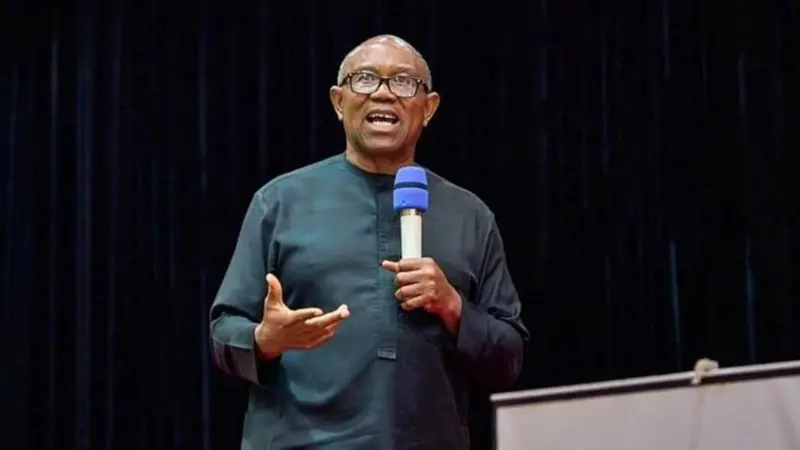
Peter Gregory Obi, the former Labour Party presidential candidate, faces growing criticism in Nigeria after the 2023 general elections for failing to consolidate his party’s gains, especially after leaving the Labour Party amid internal crises to join the African Democratic Congress (ADC), a move many analysts say reflects weak political strategy and poor long-term planning.
A Surprising Electoral Rise
In 2023, Obi and the Labour Party disrupted Nigeria’s political landscape. Despite limited structure, they won one governorship, six Senate seats, and 34 House seats.
Moreover, the party performed strongly in key areas like Lagos and the Federal Capital Territory. This success came even with weak grassroots coordination.
However, the early momentum did not last. Internal conflicts soon weakened the party’s structure.
Missed Opportunity to Build a Movement
Obi’s rise created a powerful political wave. Many expected him to strengthen the Labour Party after the election.
Instead, he focused on future contests rather than party development. Consequently, the party lost direction.
Reports showed Labour Party deployed agents in only 46% of polling units. In contrast, APC covered about 96%.
Therefore, the gap in structure affected long-term performance.
Defection to ADC Sparks Debate
Obi later joined the African Democratic Congress. This move triggered debate across political circles.
Critics argue that ADC consists mainly of aggrieved politicians seeking relevance. As a result, his decision raised doubts about consistency.
Meanwhile, Nasir El-Rufai once described Obi as a “Nollywood actor,” suggesting inconsistency in his political style.
Kano Visit and Political Rivalry
During Sallah, Obi visited Rabiu Musa Kwankwaso in Kano. The visit renewed discussions about their rivalry.
Previously, both leaders failed to form an alliance. Kwankwaso rejected a vice-presidential role under Obi.
Now, both aim for presidential tickets. Their supporters remain loyal and highly competitive.
Although Kano crowds welcomed Obi warmly, Kwankwaso still holds strong influence in the region.
Opposition vs APC Strategy
While opposition parties struggle, APC continues to organize and expand.
The ruling party recruits members, strengthens systems, and prepares for elections early.
In contrast, opposition groups appear fragmented. Some analysts believe they rely on criticism instead of strategy.
Questions Over Political Consistency
Obi’s critics question his political stability. They argue that frequent party changes weaken public trust.
Although his supporters remain active online, voter mobilization structures remain limited.
Furthermore, post-election legal battles consumed time and energy that could build party strength.
A Contested Political Legacy
Obi inspired millions during the 2023 elections. His performance exceeded expectations nationwide.
However, failure to sustain that momentum now defines his political trajectory.
Some analysts see missed opportunities. Others believe he still has room to rebuild and reposition.
Conclusion
Peter Obi’s journey reflects both promise and missed opportunity.
He built a strong foundation in 2023. Yet, lack of consolidation weakened his progress.
As Nigeria approaches future elections, his next moves will determine his political legacy.