



 By
By By Elizabeth ugbo
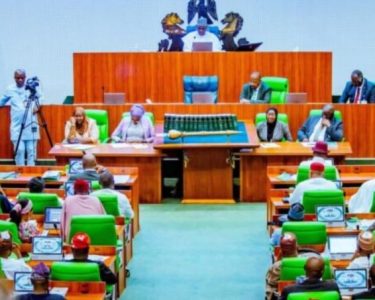
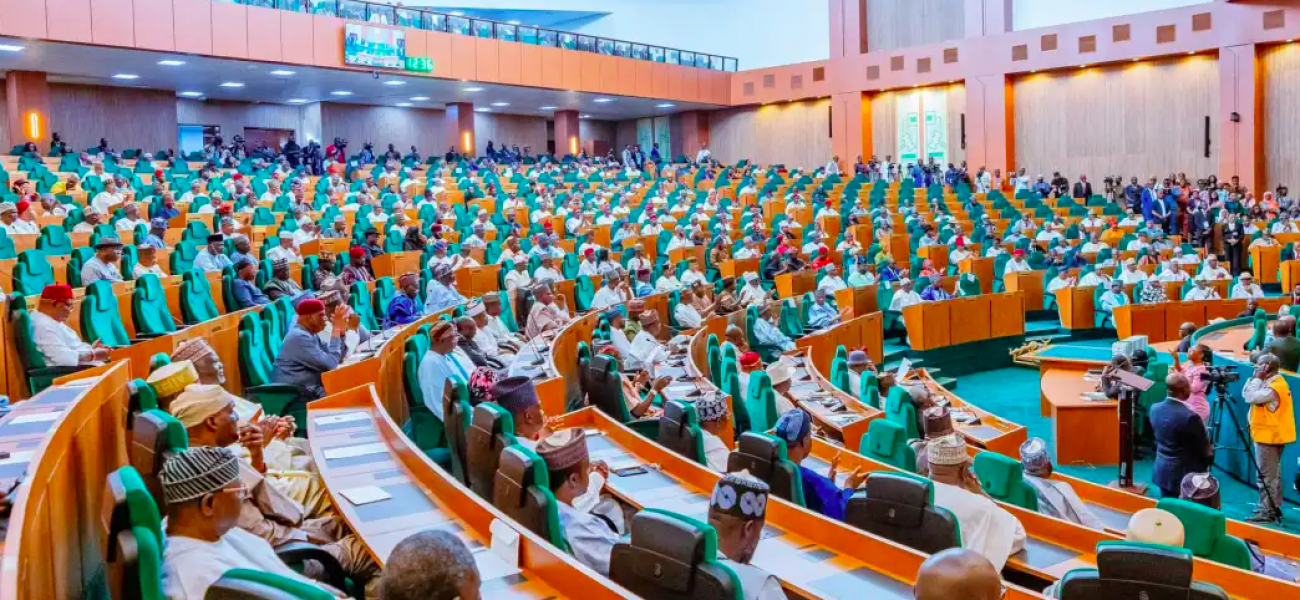
The Nigerian Senate on Wednesday approved the N1.75 trillion 2025 statutory budget of the Niger Delta Development Commission (NDDC) after reviewing the proposal presented by the Senate Committee on NDDC. The approval followed deliberations in the National Assembly in Abuja, where lawmakers examined the commission’s revenue projections, spending framework and development priorities for the Niger Delta region.
Senate Endorses Committee Recommendation
The Senate adopted the report presented by Asuquo Ekpenyong, Chairman of the Senate Committee on NDDC.
Ekpenyong told lawmakers that the committee carefully reviewed the commission’s projected revenue and expenditure plans. After its assessment, the committee recommended the full approval of the proposed budget.
Consequently, the Senate endorsed the committee’s recommendation and approved a total statutory budget of N1,750,923,400,137.15 for the 2025 fiscal year.
Breakdown of NDDC Revenue Projections
According to the committee’s report, the commission expects revenue from several sources.
First, the budget includes N107.48 billion brought forward from previous funds.
Additionally, the Federal Government will contribute N626.53 billion as statutory funding.
The commission also expects N53.68 billion from unpaid arrears and recoveries by government agencies.
Furthermore, oil companies and Nigeria LNG Limited will provide the largest share, estimated at N902.87 billion.
Other projected revenues include:
- N8.36 billion from ecological funds
- Additional income from internally generated sources
Adjustment to Federal Government Contribution
The committee noted that the commission initially proposed N776.53 billion as the federal contribution.
However, lawmakers adjusted the figure to N626.53 billion.
This amount aligns with the allocation already approved in the 2025 Appropriation Act. The difference was therefore reflected in the revenue projections from oil companies and related sources.
NDDC Budget Allocation Structure
The approved budget allocates funds across several expenditure areas.
Personnel expenditure will receive N47.57 billion, while N49.93 billion will cover overhead costs.
In addition, the commission set aside N22.36 billion for internal capital expenditure.
Most importantly, N1.63 trillion will fund development projects across the Niger Delta.
Key Development Priorities
The committee stated that the development component focuses on critical sectors across the region.
These sectors include:
- Education
- Healthcare
- Youth empowerment
- Energy and power supply
- Industrial and enterprise development
- Security
- Sports development
- Infrastructure
- Agriculture and fisheries
Lawmakers believe these sectors will accelerate regional growth and improve livelihoods.
Ongoing Projects Carried into 2025
The committee also observed a large rollover of projects from the 2024 budget.
However, Ekpenyong explained that the rollover aims to ensure completion of ongoing projects. These projects are designed to support sustainable development across the Niger Delta.
Therefore, the commission will priorities finishing existing projects before launching new ones.