



 By
By By Elizabeth Ugbo
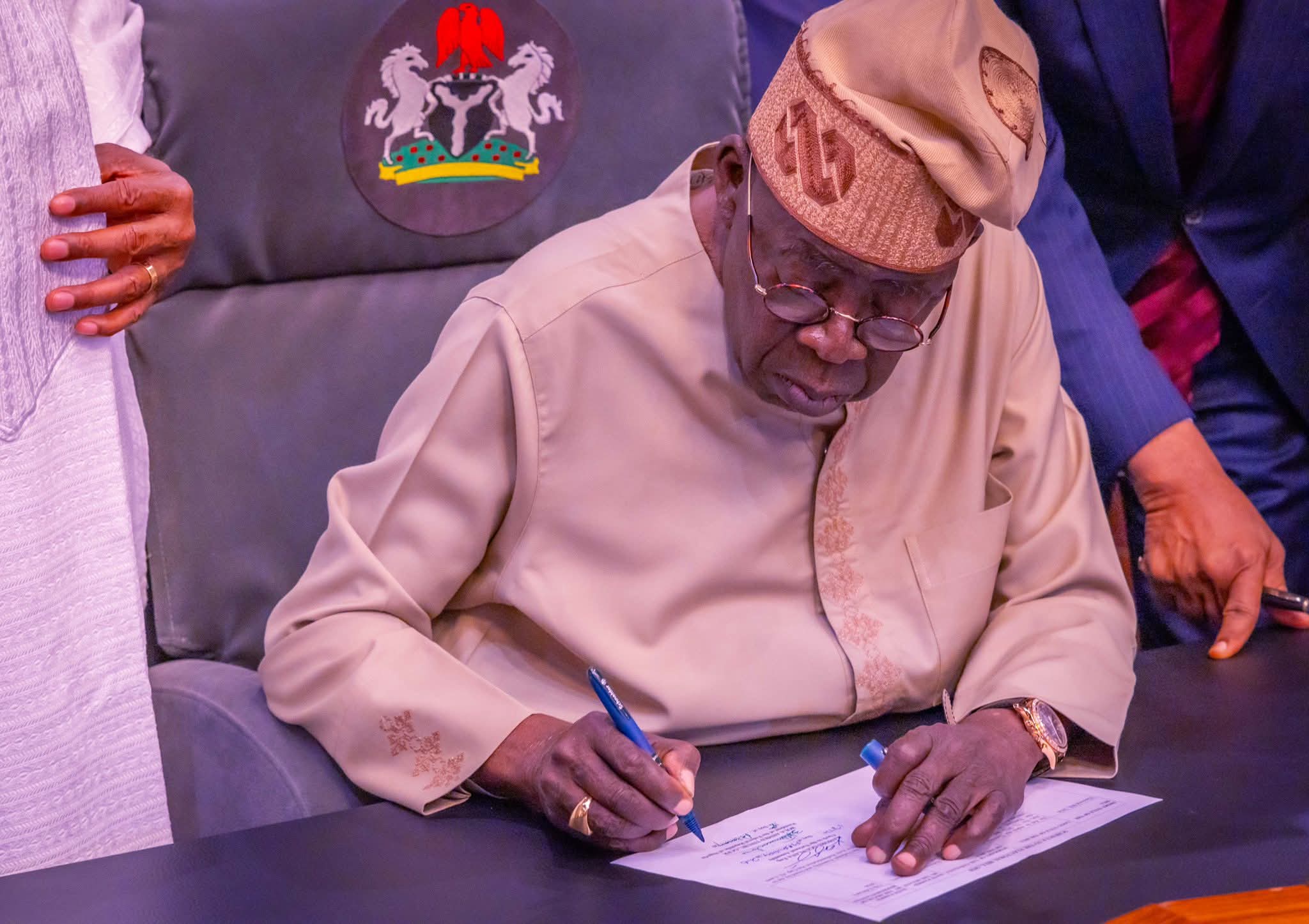
President Bola Ahmed Tinubu has approved a ₦3.3 trillion payment plan to clear longstanding debts in Nigeria’s power sector, aiming to improve electricity supply across the country. The approval, announced on Sunday, forms part of the Presidential Power Sector Financial Reforms Programme. The initiative targets debts accumulated between February 2015 and March 2025. It also outlines how the government will restore liquidity, rebuild trust, and stabilise the electricity market.
Major Financial Intervention in Nigeria’s Power Sector
The initiative stands as one of the most ambitious financial interventions in Nigeria’s power sector in recent years. It aims to address long-standing liquidity challenges that have weakened electricity generation.
According to officials, the government verified the debts through a comprehensive process. It agreed on ₦3.3 trillion as a full and final settlement. This step ensures transparency and fairness across the sector.
Immediate Impact on Electricity Supply
The intervention will improve electricity supply for Nigerians. Power plants will receive the financial support needed to operate efficiently.
As a result, consumers should experience more consistent power. In addition, improved funding will reduce operational disruptions across generation companies.
Payment Rollout and GenCos Participation
The government has already started implementing the repayment plan. So far, 15 power generation companies (GenCos) have signed settlement agreements worth ₦2.3 trillion.
Authorities have mobilised ₦501 billion to begin payments. Out of this amount, ₦223 billion has already been disbursed. Meanwhile, further payments continue.
This progress strengthens confidence among stakeholders and signals commitment to reform.
Strengthening Nigeria’s Power Value Chain
The initiative will stabilise Nigeria’s fragile power value chain. It will also improve liquidity for generation companies.
More importantly, it ensures timely payments to gas suppliers. This step remains critical for sustaining electricity production nationwide.
Government’s Reform Strategy and Future Plans
The Special Adviser to the President on Energy, Olu Arowolo-Verheijen, emphasised the broader impact of the programme. She explained that the initiative goes beyond debt settlement.
According to her, the plan will restore confidence across the sector. It will also ensure power plants operate consistently while suppliers receive payments.
Furthermore, the government continues to implement complementary reforms. These include improved metering systems and service-based tariffs. These measures align electricity costs with service quality.
Focus on Economic Growth and Investment
The government has prioritised stable electricity for businesses and industries. Reliable power will support economic growth and job creation.
In addition, the reforms will attract fresh investments into the sector. This will enhance service delivery and strengthen market performance over time.
Series II Set to Launch
President Bola Ahmed Tinubu also confirmed that the next phase of the programme, known as Series II, will begin within the current quarter.
This phase will build on existing reforms and expand efforts to stabilise the sector further.
Conclusion
The ₦3.3 trillion debt settlement plan marks a turning point for Nigeria’s electricity sector. It addresses legacy debts while laying the foundation for sustainable power supply. With continued implementation, the reforms could finally deliver reliable electricity to Nigerians.