



 By
By By Elizabeth Ugbo
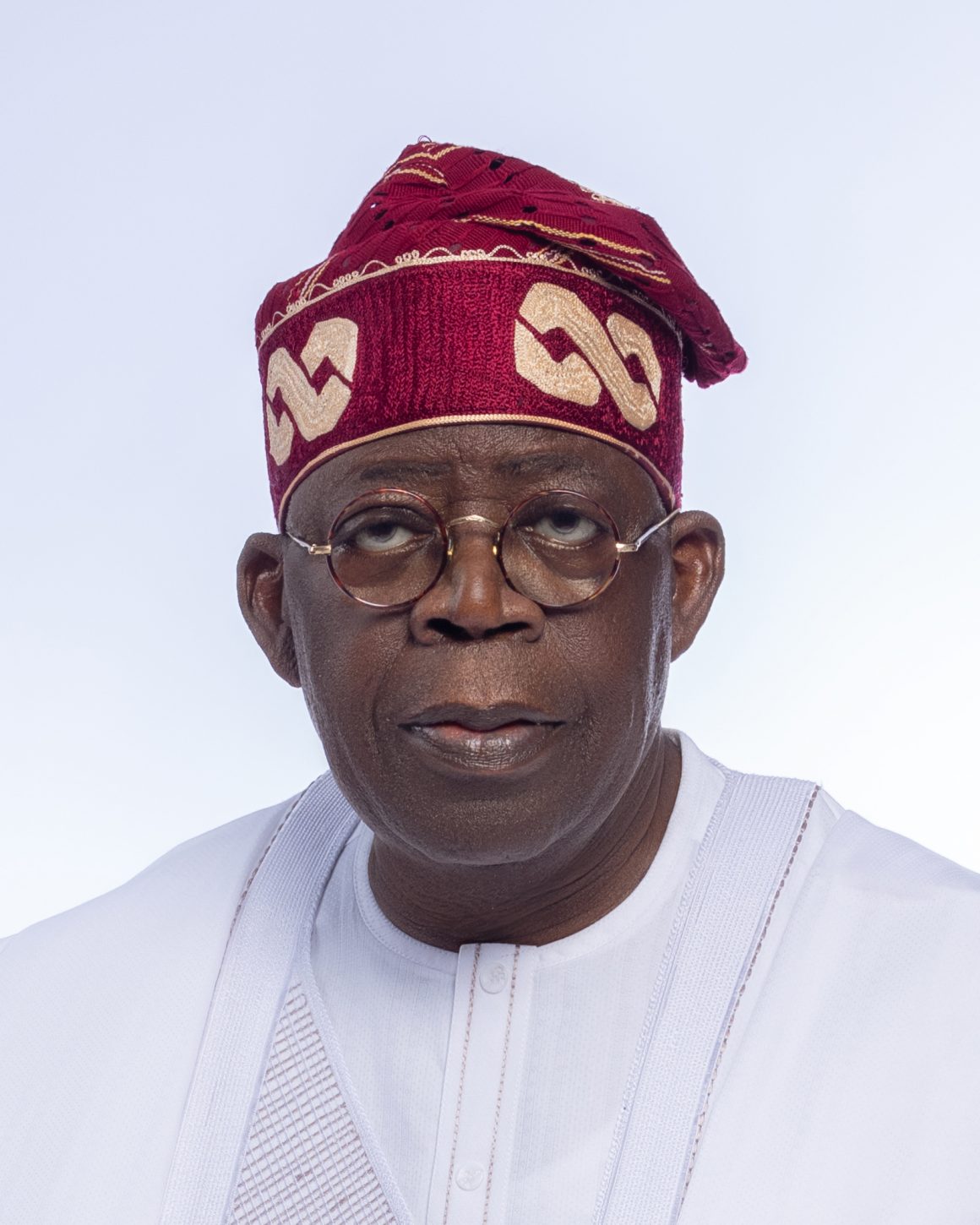
The recent absence of Bola Ahmed Tinubu from key commissioning events in Lagos has raised questions. During his visit, observers asked why he skipped major ceremonies, who influenced the decision, what it means politically, where it leads next, and how it affects 2027 plans. Instead of celebration, the visit triggered intense speculation across Nigeria’s political space.
A Strategic Visit, Not a Ceremonial One
Although many expected a triumphant homecoming, the Lagos trip carried deeper political weight. Analysts believe Tinubu used the visit to consult and strategize.
More importantly, this period may represent his final window to decide who succeeds Babajide Sanwo-Olu.
For years, Tinubu has controlled Lagos’ political structure. However, the current environment now presents new challenges.
Tinubu’s Longstanding Influence in Lagos Politics
Since leaving office in 2007, Tinubu has shaped every leadership transition in Lagos.
He backed:
- Babatunde Fashola
- Akinwunmi Ambode
- Babajide Sanwo-Olu
In each case, his endorsement determined the outcome.
However, a new generation of politicians now challenges this pattern. As a result, uncertainty has entered Lagos politics ahead of 2027.
Femi Hamzat: The Loyal Technocrat
Femi Hamzat stands as a leading contender.
He brings strong administrative experience and long-term service. In fact, he remains the longest-serving deputy governor in Nigeria’s Fourth Republic.
However, identity politics complicates his chances. His father’s traditional ties to Ogun State raise concerns among some Lagos stakeholders.
Even so, Hamzat’s loyalty and experience still position him as a natural successor.
Akinwunmi Ambode: A Comeback Debate
The possible return of Akinwunmi Ambode continues to spark debate.
Some supporters frame his removal in 2019 as unfair. They argue that a second chance could correct that political decision.
However, Lagos politics prioritizes trust and loyalty. Therefore, doubts remain about whether Ambode can regain full confidence within Tinubu’s structure.
Hakeem Muri-Okunola: The Technocratic Option
Hakeem Muri-Okunola offers a different path.
As Tinubu’s Principal Private Secretary and former Lagos Head of Service, he represents administrative competence.
Additionally, his family’s long-standing relationship with Tinubu may strengthen his chances.
Still, his candidacy depends on how political stakeholders view technocratic leadership over grassroots influence.
Emerging Aspirants and the Independence Question
Figures like Abdul-Azeez Adediran continue to push forward.
However, independent candidates face a major challenge. Tinubu’s political system traditionally favors loyal structures over autonomous power bases.
Consequently, aspirants without deep alignment may struggle to secure backing.
Seyi Tinubu and the Dynastic Speculation
Attention has also turned to Seyi Tinubu.
His growing visibility among young politicians has fueled speculation about a possible political future.
However, a dynastic transition in Lagos would spark strong reactions. Unlike Kwara politics, Lagos presents a more complex and competitive environment.
For now, this idea remains speculative but sensitive.
Tinubu’s Defining Political Dilemma
Tinubu now faces a critical decision.
He must balance:
- competence and loyalty
- control and independence
- continuity and change
A strong governor could reduce his long-term influence. On the other hand, a weak candidate could destabilize governance.
Therefore, every option carries significant risk.
Why Tinubu’s Absence Matters
Tinubu’s reduced public presence during the Lagos visit may not signal weakness. Instead, it suggests focused political negotiations behind closed doors.
Clearly, the real priority lies in succession planning, not public ceremonies.
Conclusion: A Turning Point for Lagos Politics
Tinubu’s next move will shape Lagos politics beyond 2027.
For the man known as “Jagaban,” this moment defines his legacy.
Unlike previous transitions, this decision offers no easy path.