



 By
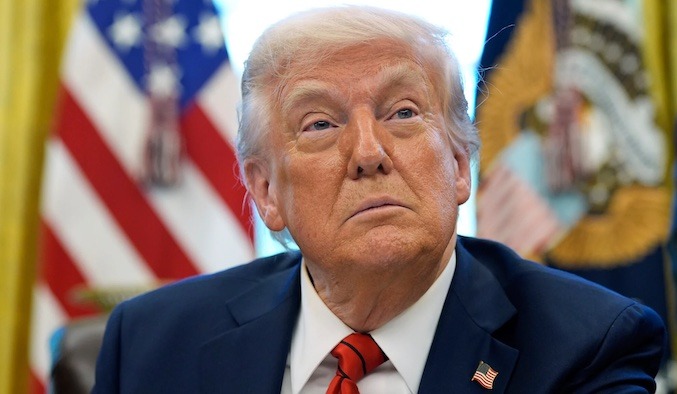
By US President Donald Trump has delayed planned attacks on Iran’s power grid until April 6, 2026. He made the announcement on Thursday via Truth Social. The decision affects ongoing conflict between the US, Israel, and Iran across the Middle East. Trump says the delay follows “productive negotiations.” However, Iran denies any talks, while tensions continue to rise.
Trump Postpones Strike on Iran’s Energy Infrastructure
Trump pushed back his self-imposed deadline for bombing Iran’s power plants. He cited progress in negotiations as the reason.
Earlier, he had threatened strikes within 48 hours if Iran refused to reopen the Strait of Hormuz. Then, he extended the timeline twice.
Now, he claims talks are advancing well. However, Iran insists no negotiations are happening.
Global Concern Over Possible War Crimes
Rights groups have strongly criticised the proposed attacks. Amnesty International warned that targeting power stations could amount to war crimes.
Similarly, the International Criminal Court has issued arrest warrants in comparable cases. For example, Russian strikes on Ukraine’s energy infrastructure triggered legal action.
Under the Geneva Conventions, attacks on civilian infrastructure may violate international law.
Strait of Hormuz Crisis Disrupts Global Oil Supply
Meanwhile, Iran’s control over the Strait of Hormuz has shaken the global economy.
More than 20 percent of the world’s oil passes through this route. However, threats to tankers have slowed traffic significantly.
As a result, oil markets remain unstable. Trump has asked allies, including NATO countries, for support. Yet, many remain hesitant.
Rising Casualties and Escalation Risks
The conflict continues to intensify. Reports estimate 1,937 deaths in Iran. Meanwhile, 13 US service members have died.
In addition, violence has spread across the Middle East. Analysts warn that potential US ground operations could worsen the situation.
Although Trump claims Iran is “begging” for a deal, Tehran has rejected that claim. Instead, Iran threatens stronger retaliation if its energy grid is attacked.
Contradictions and Uncertain Peace Talks
The Trump administration has issued mixed messages about the war.
On one hand, officials claim victory is near. On the other hand, discussions about escalation continue.
Although Trump says talks are ongoing, Iran denies any agreement. Therefore, uncertainty remains high.
Military Strategy and “Dual-Use” Targets
Experts note a growing trend in modern warfare. Armies increasingly target “dual-use” infrastructure. These include facilities used by both civilians and the military.
However, such actions remain controversial. They often blur the line between military necessity and civilian harm.
Conclusion: Tension Persists Despite Delay
Although Trump delayed the strike, the threat still stands. The April 6 deadline now becomes critical.
Meanwhile, global pressure continues to mount. Oil supply risks, legal concerns, and rising casualties all add urgency.
Unless diplomacy succeeds, the conflict could escalate further.