




 By
By By Elizabeth Ugbo
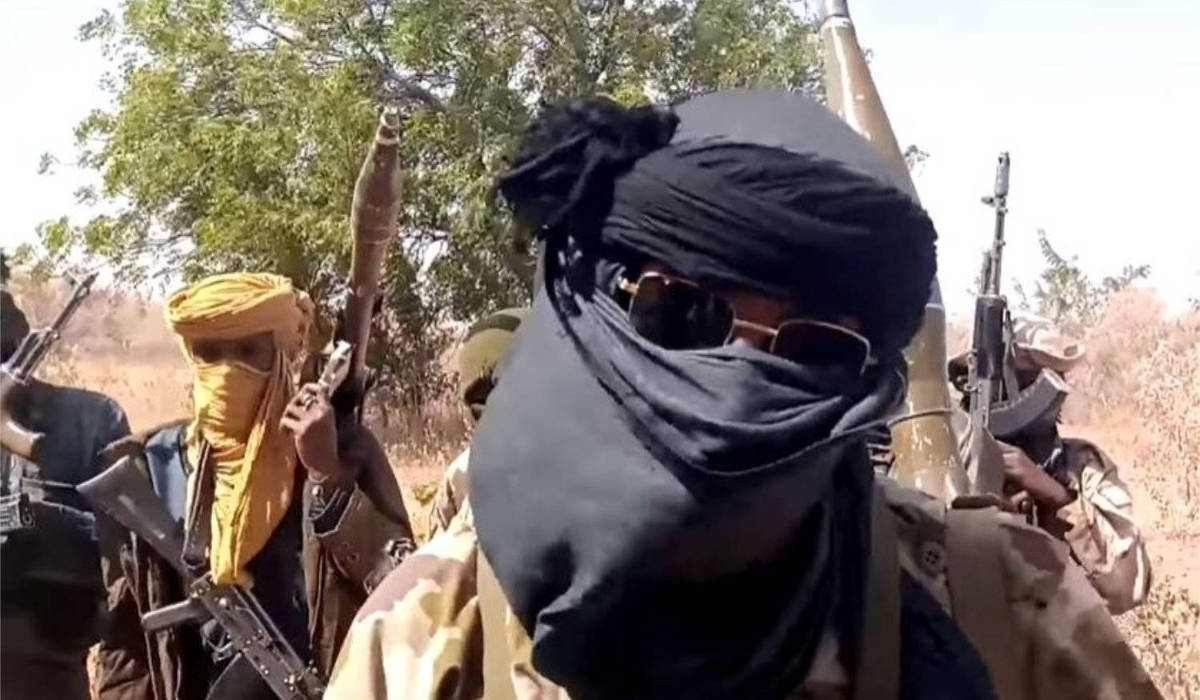
Residents of Nigeria’s South-West states, including Ondo, Osun, Oyo, Ekiti, Ogun, and Lagos, are facing a surge in kidnappings, armed attacks, and killings in 2026. Criminal gangs exploit forests, highways, and border communities to terrorize civilians. Despite efforts by Amotekun and state authorities, insecurity continues due to limited firepower and weak coordination. Urgent action is needed to protect lives, livelihoods, and regional stability.
Governors’ Response and Regional Security Networks
South-West state governors have largely issued statements condemning attacks but have taken limited concrete actions. Early efforts included collaboration with former President Muhammadu Buhari to establish the Amotekun security outfit. However, Buhari denied licenses to purchase advanced weapons, leaving operatives under-equipped with only dane guns.
Even under President Bola Tinubu, state governors have not formally requested better firepower for Amotekun. Security experts warn that insufficient arms could leave millions of residents vulnerable.
Ondo State: Kidnappings Spark Public Outrage
Ondo State is witnessing protests from communities over rising kidnappings. Residents of Akure-North blocked major highways to demand immediate government action.
Governor Lucky Aiyedatiwa has implemented measures like a night-time motorcycle ban. Authorities have arrested over 160 suspects, but ransom payments continue to fuel criminal activities.
Schools in affected areas have temporarily closed, and many farmers have abandoned their lands due to fears of attacks. Gunmen recently fired shots near Akure Airport, causing panic among residents.
Osun State: Border Communities Under Threat
Communities along the Osun/Kwara border are increasingly targeted. Terrorist activities in Kwara State have spilled into Osun, affecting villages previously considered safe.
In January, gunmen kidnapped Emmanuel Owolabi, a retired customs officer, in Ifedayo Local Government Area. He was released after three weeks following a ransom payment. In February, two residents, Tayese Adeyeye and Sunday Adewumi, were abducted from Ora-Igbomina.
Governor Ademola Adeleke pledged to strengthen border security and coordinate with all security operatives to curb further attacks.
Rising Insecurity in Oyo, Ogun, and Lagos States
Oyo State’s vulnerable areas include Oke-Ogun, Ibarapa, and parts of Ogbomoso. Criminal gangs exploit isolated routes and forests to carry out kidnappings.
Ogun State faces a similar situation, with banditry and kidnappings reported in rural communities. Lagos, while relatively peaceful, has seen local criminals capitalize on northern operations, conducting kidnappings for ransom.
South-West Security Collaboration and New Initiatives
Earlier this year, six South-West governors agreed on collaborative measures. Plans include:
- Establishing a Joint Surveillance and Monitoring Team
- Deploying drones and aerial surveillance to monitor forests
- Launching a live digital intelligence-sharing platform
- Setting up a South-West Security Fund (SWSF) to fund security operations
Amotekun will intensify patrols, while newly introduced Forest Guards reclaim kidnapper hideouts. Authorities also plan tighter border monitoring and collaboration with the National Identity Management Commission (NIMC) for identification.
The Wider National Security Context
Nigeria recorded the largest global increase in terrorism deaths in 2025, rising 46% from 513 in 2024 to 750. Extremist groups such as Boko Haram, ISWAP, and emerging groups like Lakurawa remain active.
Key incidents include:
- February 2025 massacre of 162 people in Kwara State near the Benin border
- Multiple suicide bombings in Maiduguri, Borno State, killing 23 and wounding over 100
- Coordinated assaults on military bases in Borno, resulting in at least 80 insurgent deaths
Boko Haram and ISWAP accounted for 80% of terrorism-related deaths, while Lakurawa caused 74 deaths in 10 attacks.
Sub-Saharan Africa remains the global terrorism epicenter, while Western nations saw a paradoxical rise in fatalities due to political terrorism.
Public Concern and Call to Action
Communities across South-West Nigeria live in constant fear. Farmers abandon lands, travellers avoid certain roads, and traditional leaders have been targeted.
The pan-Yoruba organisation, Afenifere, warns of rising criminal infiltration from northern Nigeria. Rising abductions and attacks highlight urgent threats to peace and security in the region.
Governors must fast-track planned initiatives to ensure residents’ safety. Time for talk is over; action is now essential.