



 By
By By Elizabeth Ugbo
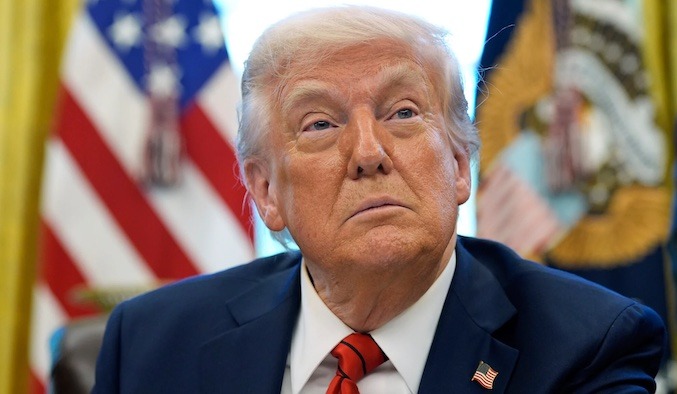
On Monday, US President Donald Trump escalated US–Iran tensions by threatening Iran’s electricity, water, and energy infrastructure.
Officials said the threats aimed to pressure Tehran over the Strait of Hormuz dispute.
Warnings began on March 21 and extended through an April 6 deadline.
Trump Threatens Iran Infrastructure Targets
Trump warned that the United States could strike major Iranian infrastructure.
He mentioned power plants, oil facilities, water stations, and energy systems.
Additionally, he linked the threats to demands over the Strait of Hormuz.
He said US military capabilities far exceed Iran’s expectations.
Moreover, he suggested strikes could follow if negotiations fail.
White House Response
White House spokeswoman Karoline Leavitt said the administration operates within legal limits.
She insisted US forces act under established law at all times.
Meanwhile, officials claimed diplomatic talks with Iran showed “progress.”
Strait of Hormuz Deadline Pressure
Trump initially issued a 48-hour ultimatum regarding the Strait of Hormuz.
Later, he extended the deadline to April 6.
The demand focused on reopening the strategic shipping route.
However, tensions continued as rhetoric escalated from both sides.
The US also signaled possible military escalation if talks collapse.
Rights Groups Condemnation
Annie Shiel from the Center for Civilians in Conflict condemned the threats.
She warned that targeting essential infrastructure would harm civilians severely.
She said hospitals, water systems, and communications could collapse.
Raed Jarrar from DAWN also criticized the statements.
He described them as evidence of intent to commit collective punishment.
Additionally, he said such actions could qualify as war crimes.
Legal Concerns Under International Law
International law prohibits attacks on civilian infrastructure.
The Fourth Geneva Convention bans collective punishment and intimidation tactics.
Experts say such actions violate humanitarian law standards.
Yusra Suedi from the University of Manchester warned about impunity risks.
She stated that harming civilian systems to pressure governments remains illegal.
Conclusion
Tensions between the United States and Iran continue to rise.
Diplomatic talks remain ongoing, but military threats intensify uncertainty.