



 By
By By Elizabeth Ugbo
A medical outreach organised by health practitioners and led by Olaide Albert in Adesan, Mowe, Ogun State, screened over 250 residents on Saturday. The outreach targeted hypertension, malaria, blood sugar, and oral hygiene cases. Organisers aimed to improve community health due to rising untreated illnesses linked to economic hardship. They used screenings, medications, and health education to support low-income residents and reduce complications from late diagnosis.
Medical Outreach Reaches Over 250 Residents in Ogun State
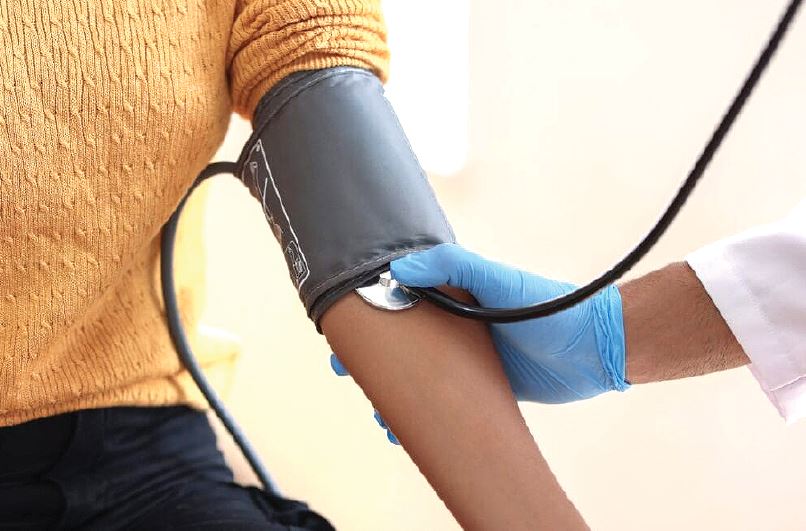
The outreach team screened residents for multiple health conditions. These included blood pressure, blood sugar, malaria, and oral hygiene issues.
In addition, health workers provided basic medications and counselling. They also encouraged routine health checks for early detection.
According to Olusoji Olatidoye, the team targeted about 250 people. He explained that many residents needed immediate medical attention.
Hypertension Emerges as the Most Common Condition
Health workers reported hypertension as the most common condition among participants. Many residents showed dangerously high readings. Some cases reached 180 mmHg.
Furthermore, the team linked the trend to economic pressure and poor access to healthcare. Rising food costs and stress also worsened the situation.
Experts Warn of Rising Hypertension Burden in Nigeria
The President of the Nigerian Hypertension Society, Simeon Isezuo, warned that one in three Nigerian adults has hypertension. He also highlighted rising drug costs as a major challenge.
He urged government action to improve access to affordable medicines. In addition, he called for stronger universal health coverage systems.
He further encouraged local drug manufacturing. This would help reduce prices and improve access nationwide.
Residents Share Impact of Free Healthcare Support
One beneficiary, Oladokun Olawoye, praised the outreach. He said it helped residents contribute better to their communities by improving health.
Another beneficiary, Daniel Blessing, said he had delayed treatment due to lack of funds. However, he confirmed the outreach helped him access care.
These testimonies showed the importance of free and accessible healthcare services.
WHO Data Highlights Global Hypertension Risk
The World Health Organisation (WHO) reports that about 1.28 billion adults aged 30–79 live with hypertension. Many live in low- and middle-income countries.
WHO also states that only about 46% of patients know they have the condition. Risk factors include obesity, aging, high salt intake, and inactivity.
Health Workers Call for Government Action
Health practitioners urged the Federal Government to make hypertension drugs more affordable. They also called for free or subsidised treatment for vulnerable groups.
According to Olaide Albert, many Nigerians cannot afford basic healthcare. She stressed that economic hardship increases hypertension cases.
She further appealed for routine health awareness and regular screenings.
Conclusion
Medical experts agree that Nigeria faces a growing hypertension crisis. Therefore, stakeholders must improve access to affordable care, strengthen awareness, and support preventive health systems.