



 By
By By Elizabeth Ugbo
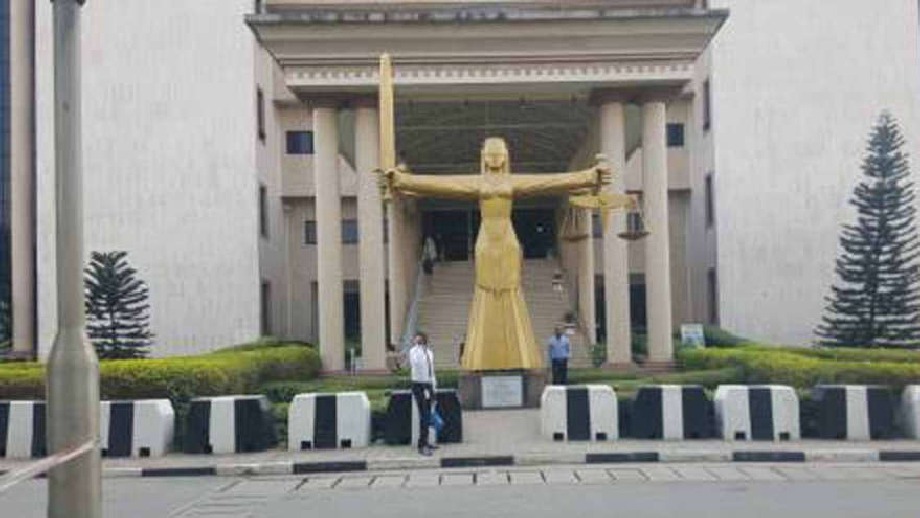
The Supreme Court of Nigeria will today, April 30, 2026, deliver judgment on leadership disputes within the African Democratic Congress (ADC) and the Peoples Democratic Party (PDP). The rulings follow hearings concluded on April 22 in Abuja. A five-member panel led by Justice Mohammed Garba reserved judgment after hearing appeals challenging lower court decisions. The verdict could reshape opposition politics ahead of the 2027 general elections.
Supreme Court Fixes Date for Political Appeals
Checks on the court’s official website confirmed that both cases appeared under “Political Appeals.” The ADC case (SC/CV/180/2026) and the PDP case (SC/CV/166/2026) will be decided by 2 pm.
Meanwhile, political tension has risen across party lines. Stakeholders now await outcomes that may redefine party leadership structures.
INEC Timetable Adds Urgency
The Independent National Electoral Commission (INEC) has already released key election dates. It fixed May 10, 2026, as the deadline for membership register submissions.
Presidential and National Assembly elections will hold on January 16, 2027. Governorship and State Assembly polls will follow on February 6, 2027.
Party primaries and dispute resolutions will run from April 23 to May 30, 2026. Campaigns begin August 19 for national elections and September 9 for state polls.
ADC Crisis Deepens Over Leadership Tussle
The ADC crisis centers on a dispute between David Mark and a rival faction led by Nafiu Gombe.
Mark challenged a Court of Appeal ruling delivered on March 12. The appellate court had ordered all parties to maintain the status quo.
He argued that the court exceeded its jurisdiction. According to him, the issue concerns internal party affairs.
However, respondents including the ADC, Rauf Aregbesola, INEC, and Ralph Nwosu urged dismissal of the appeal.
Legal Pressure Mounts Ahead of Verdict
ADC lawyers wrote to the Chief Justice, demanding a quick judgment. The letter, dated April 28, warned of serious consequences.
They claimed INEC had already acted on a lower court ruling. This action allegedly stripped the party of recognised leadership.
According to the legal team, delays could jeopardise ADC’s participation in the 2027 elections. They stressed that compliance with electoral requirements depends on the judgment.
“Justice delayed would amount to justice denied,” the lawyers stated.
Federal High Court Restrains ADC Leadership Actions
In a related development, a Federal High Court in Abuja issued fresh orders. Justice Joyce Abdulmalik restrained INEC from recognising ADC congresses organised by the Mark-led faction.
She also barred Mark and others from interfering with elected state executives.
The case followed a suit by Norman Obinna and other party officials. They challenged the legality of the caretaker leadership’s actions.
Court Affirms Authority of Elected Party Structures
Justice Abdulmalik ruled that only elected party organs can organise congresses. She declared the caretaker committee’s actions invalid.
She relied on Section 223 of the 1999 Constitution and Article 23 of the ADC Constitution. Both provisions emphasise democratic leadership processes.
The court held that political parties must follow their constitutions strictly. It added that courts can intervene when violations occur.
PDP Camps Mobilise Ahead of Judgment
Leaders from rival PDP factions also gathered at the court. Allies of Seyi Makinde and Nyesom Wike mobilised supporters.
Key figures present include Tanimu Turaki, Taofeek Arapaja, and Sule Lamido.
Their presence highlights the stakes involved in the ruling.
ADC Leadership Expresses Confidence
Reacting to the court developments, Mark assured party members of victory. He stated that the ADC would remain on the ballot in 2027.
In a statement shared by Bolaji Abdullahi, Mark dismissed fears over ongoing litigation.
“We shall triumph in all the cases,” he said. He added that the party remains prepared for legal battles ahead.
Political Stakes Ahead of 2027 Elections
The Supreme Court’s ruling could determine control of party structures. It may also influence coalition strategies among opposition parties.
With deadlines approaching, both legal and political manoeuvres continue. The outcome will likely shape Nigeria’s electoral landscape.