



 By
By By Elizabeth Ugbo
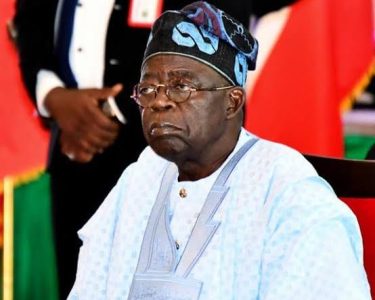
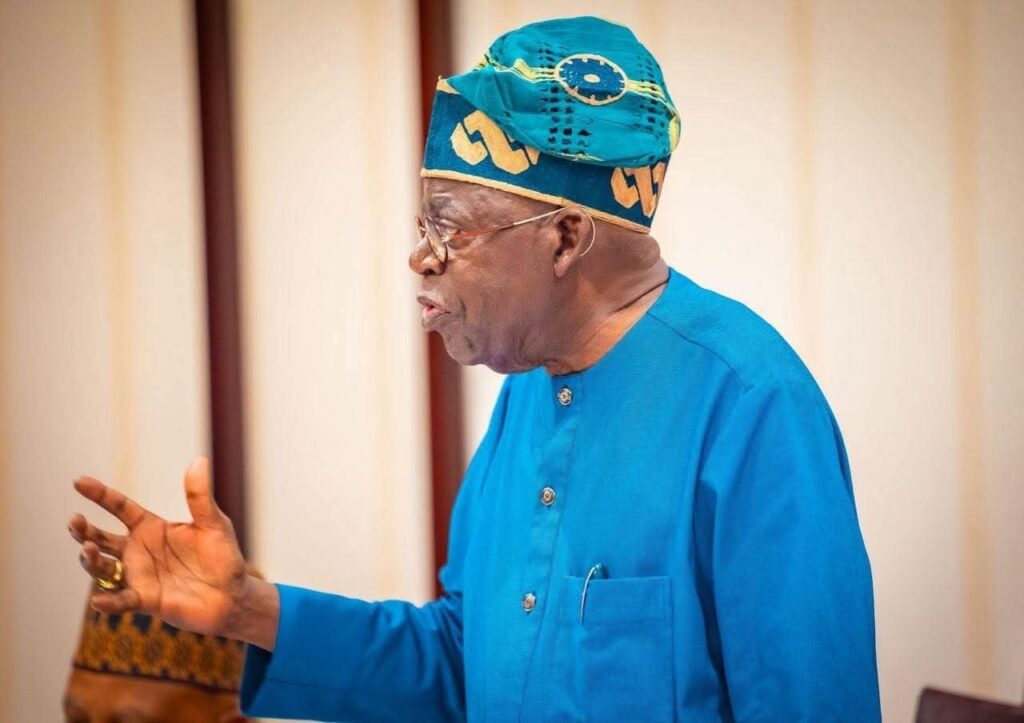
President Bola Ahmed Tinubu on Tuesday praised former Head of State Yakubu Gowon during the launch of his memoir at the Bola Ahmed Tinubu International Conference Centre in Abuja. Represented by Vice President Kashim Shettima, the President said the autobiography serves as a guide for Nigeria’s unity, democratic stability, and regional cooperation. He also urged Nigerians to read the book widely because it preserves key lessons from the nation’s history.
Tinubu Says Nigeria Must Preserve Its Historical Memory
President Tinubu stressed that nations lose direction when they forget their history. He explained that preserving historical memory helps countries avoid repeating past mistakes.
According to him, reflections from leaders who witnessed critical moments in Nigeria’s history remain vital for national cohesion and democratic growth.
“A nation that misplaces its memory soon begins to quarrel with its own reflection,” the President said.
He added that societies without memory risk division and uncertainty.
Gowon’s Reconciliation Efforts Earn Praise
The President commended General Gowon for promoting reconciliation after the Nigerian Civil War. He described the “No victor, no vanquished” declaration as a major step that preserved Nigeria’s unity.
Tinubu noted that peace requires deliberate policies built on trust, inclusion, and fairness. He also said younger generations should understand the difficult choices leaders made during periods of national crisis.
Furthermore, he explained that unity grows stronger when institutions encourage interaction and mutual understanding among citizens.
NYSC Remains One of Gowon’s Lasting Legacies
President Tinubu highlighted the importance of the National Youth Service Corps scheme. He said the programme has continued to bridge ethnic, cultural, and religious divides across Nigeria.
According to him, shared national experiences strengthen the federation and build trust among Nigerians.
The President also stated that Gowon’s life challenges divisive narratives based on ethnicity or religion.
“His story teaches us that the Nigerian project becomes stronger when a citizen refuses to become a weapon in the hands of sectarian entrepreneurs,” he said.
Tinubu Commends Gowon’s Role in ECOWAS Formation
The President praised Gowon for helping establish the Economic Community of West African States. He described ECOWAS as one of Africa’s most important platforms for regional cooperation and collective security.
Tinubu explained that West Africa currently faces terrorism, political instability, and economic disruption. Therefore, he said regional cooperation remains essential.
“We need cooperation against insecurity. We need trade that empowers our young people,” the President stated.
He added that Nigeria’s security and prosperity depend on the stability of neighbouring countries.
Gowon Says Memoir Reflects His Truth
Earlier, General Gowon explained that he wrote the memoir to present his own account of events. He said his story became deeply connected with Nigeria’s history.
According to him, the book documents his experience and opportunity to serve the country.
The former Head of State also urged Nigerians not to listen to pessimists ahead of the 2027 elections. He maintained that Nigeria would overcome its present challenges.
Jonathan, Kukah Hail Gowon’s Contribution
Former President Goodluck Jonathan described the memoir as an important reflection on Nigeria’s turbulent history. He said the book would help preserve institutional memory and improve public understanding of major national decisions.
Similarly, Matthew Kukah said the memoir provides valuable insight into Nigeria’s civil war era and Gowon’s personal experiences.
Kukah noted that autobiographies present individual perspectives but remain important historical records.
Dignitaries Attend Memoir Presentation
Several prominent Nigerians attended the event. They included former Head of State Abdulsalami Abubakar, Senator Oluremi Tinubu, former First Lady Patience Jonathan, Plateau State Governor Caleb Mutfwang, and the Muhammad Sa’ad Abubakar III.
Others included government officials, military officers, traditional rulers, and religious leaders.