



 By
By By Elizabeth Ugbo
The Federal Government on June 22, 2026, reaffirmed its commitment to protecting refugees, asylum seekers, and internally displaced persons (IDPs) during the World Refugee Day 2026 commemoration in Abuja. Secretary to the Government of the Federation, Senator George Akume, made the announcement while addressing stakeholders on the theme, “Until Everyone is Safe.” He explained that the government will strengthen humanitarian support and create long-term opportunities for displaced populations under President Bola Ahmed Tinubu’s Renewed Hope Agenda.
Government Shifts Focus from Relief to Self-Reliance
Senator Akume said the administration is moving beyond emergency assistance. Instead, it is creating pathways for displaced persons to achieve self-reliance.
According to him, government programmes now connect humanitarian support with development opportunities. These opportunities include livelihoods, agribusiness, education, and social protection initiatives.
“We are committed to ensuring that displaced persons not only survive but thrive,” he said.
Nigeria Hosts Over 100,000 Refugees
The SGF disclosed that Nigeria currently hosts more than 100,000 refugees and asylum seekers. Most come from countries within the Lake Chad Basin region.
He added that millions of Nigerians remain displaced due to insecurity and other humanitarian challenges.
To address these issues, the Federal Government has adopted a strategy built on three pillars:
Protection
The government aims to safeguard the rights and welfare of refugees and displaced persons.
Livelihood Support
Authorities are expanding access to jobs, business opportunities, and economic empowerment programmes.
Durable Solutions
Government agencies are working to provide long-term solutions that help displaced persons rebuild their lives.
The National Commission for Refugees, Migrants and Internally Displaced Persons (NCFRMI) coordinates these efforts.
Climate Change and Conflict Increase Displacement Risks
Akume noted that climate-related disasters, insecurity, and prolonged conflicts continue to force people from their homes.
As a result, he called for stronger international cooperation to tackle displacement challenges.
He stressed that refugees and IDPs possess valuable skills and potential. Therefore, governments and partners should provide opportunities that promote dignity and self-development.
FG Expands National Social Register
The Federal Government is expanding the National Social Register to include more vulnerable people.
The initiative will capture displaced persons and host communities. Consequently, authorities can deliver targeted and transparent assistance based on reliable data.
Akume said the expansion will improve accountability while ensuring dignified humanitarian support.
Humanitarian Affairs Minister Calls for Greater Support
The Minister of Humanitarian Affairs and Poverty Reduction, Dr. Bernard Doro, praised the resilience of refugees worldwide.
He reaffirmed Nigeria’s commitment to international humanitarian principles. Furthermore, he urged governments, development partners, humanitarian agencies, and host communities to strengthen support systems.
According to him, refugees need protection, durable solutions, and opportunities that promote self-reliance.
NCFRMI Advocates Practical Solidarity
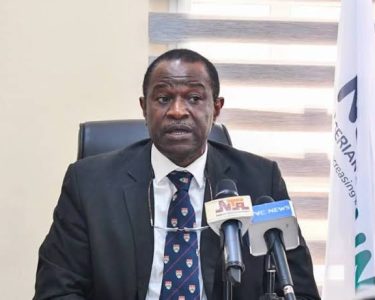
In his opening remarks, NCFRMI Federal Commissioner and Chief Executive Officer, Hon. Aliyu Tijani Ahmed, called for practical action beyond sympathy.
He emphasized that refugees and displaced persons need access to education, healthcare, shelter, legal identity, and social services.
He also urged stakeholders to create opportunities that allow vulnerable populations to participate meaningfully in society.
Conclusion
The Federal Government has renewed its commitment to protecting refugees and internally displaced persons through sustainable development programmes. By focusing on protection, livelihoods, and durable solutions, Nigeria aims to help vulnerable populations rebuild their lives and contribute to national development.