




 By
By By Elizabeth Ugbo
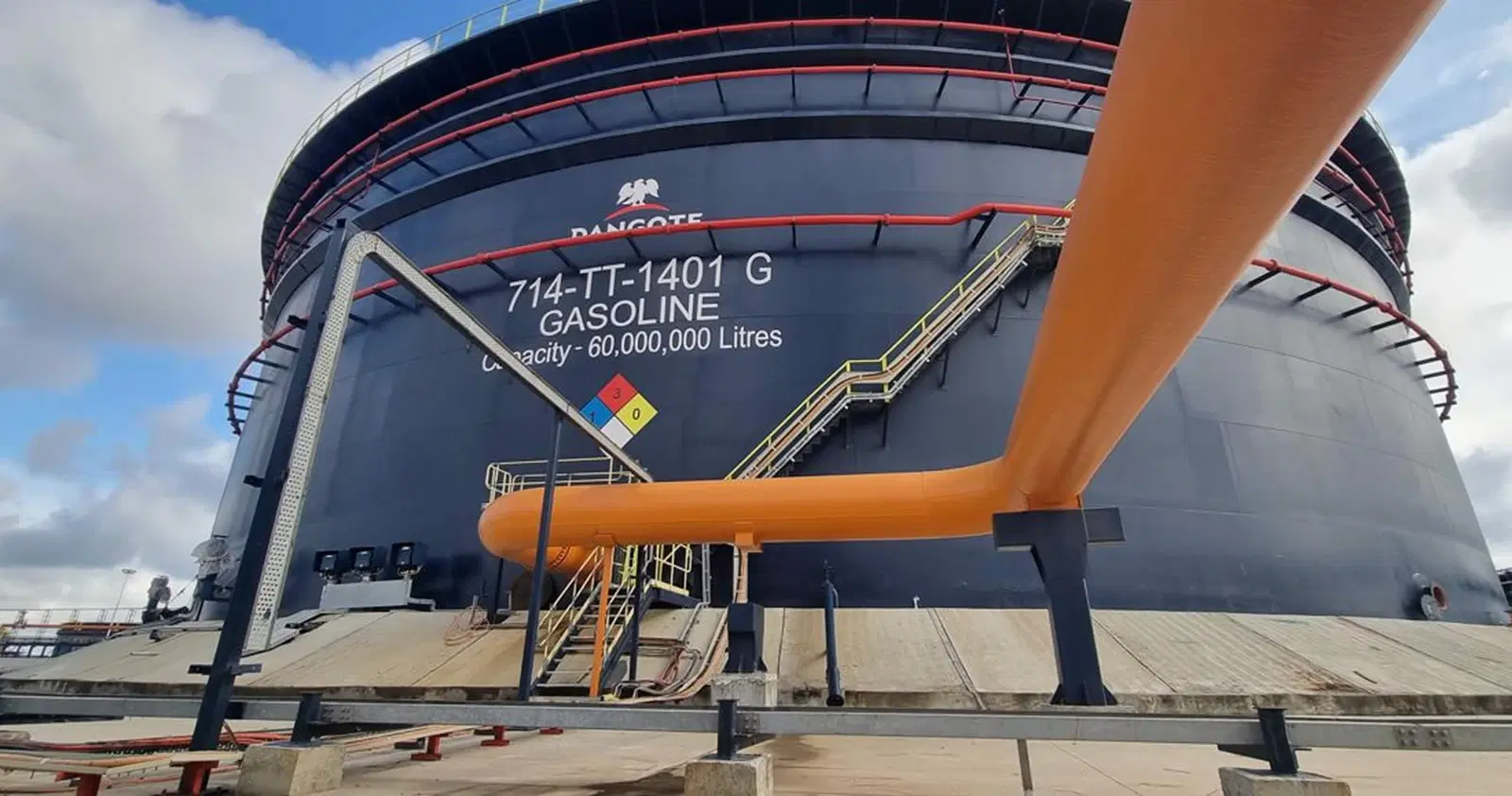
Nigeria’s Dangote Refinery has increased petrol prices, effective midnight March 21, 2026, due to rising global uncertainties, higher crude oil prices, and increased freight costs, impacting marketers and consumers nationwide.
Why Dangote Refinery Increased Petrol Prices
The refinery announced a price adjustment following escalating geopolitical tensions in key oil-producing regions, especially the Middle East. As a result, crude oil prices and shipping costs have surged.
Consequently, the refinery reviewed its pricing structure to reflect current global realities. It stressed that these external pressures continue to influence domestic fuel pricing.
New Petrol Prices and Key Changes
The refinery raised its ex-depot (gantry) price from N1,175 to N1,245 per litre, marking a N70 increase.
Additionally, the coastal price rose from N1,512,648 to N1,606,518 per metric tonne.
The company confirmed that the new rates apply to:
- All pending transactions
- Future orders
- Previously unloaded volumes at gantry and coastal points
Impact on Marketers and Payment Conditions
Marketers must now adjust to the new pricing structure. The refinery stated that:
- Debit notes will reflect the price difference
- Payment evidence must be submitted by March 23, 2026
However, marketers with valid bank guarantees can continue lifting products under existing approvals. Still, they must cover any price differences.
Implications for Fuel Prices Nationwide
Industry analysts expect the increase to trigger higher pump prices across Nigeria. Marketers will likely pass the added cost to consumers.
As a result:
- Transportation costs may rise
- Logistics expenses could increase
- Food prices may climb
- Inflationary pressure may intensify
Why Local Refining Has Not Stabilised Prices
Although the Dangote refinery began operations, Nigeria still depends on global market dynamics. Therefore, local production has not fully insulated the country from international price fluctuations.
This situation highlights ongoing challenges in achieving price stability in the downstream petroleum sector.
What Consumers Should Expect
Consumers should prepare for higher fuel costs in the coming days. The ripple effects will likely affect daily expenses and household budgets nationwide.