



 By
By By Elizabeth Ugbo
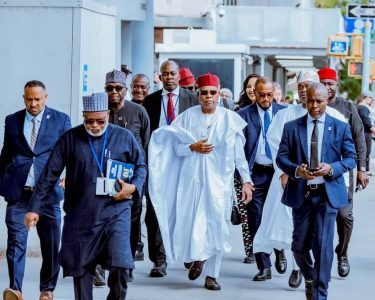
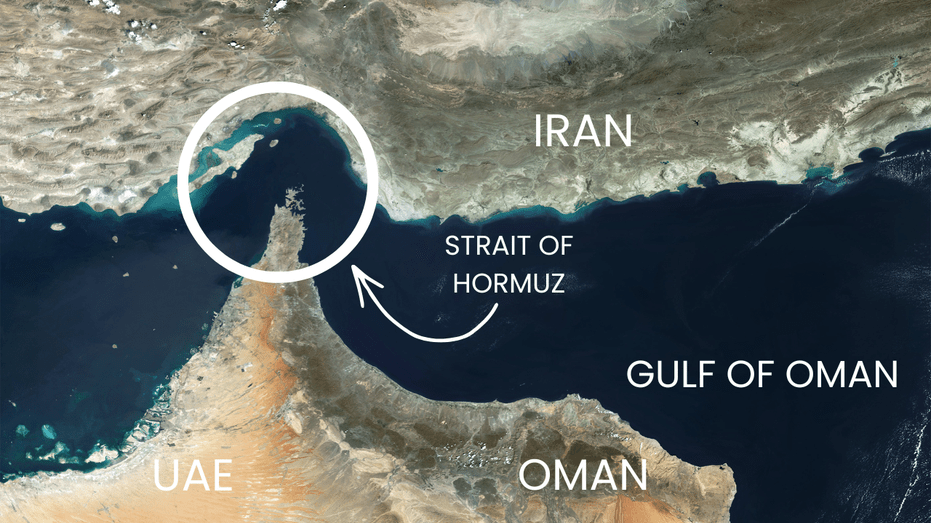
Iranian Foreign Minister Abbas Araghchi led a 72-hour diplomatic mission across Pakistan, Oman, and Russia to promote a new proposal. The plan aims to reopen the Strait of Hormuz, delay nuclear talks with the United States, and secure regional backing. Pakistan is acting as a mediator, while discussions involved regional leaders and intelligence officials.
Pakistan Plays Key Mediation Role
Senior Pakistani officials confirmed that Islamabad continues to act as a neutral facilitator. Iran submitted its latest proposal through Pakistan after direct talks with the US stalled on April 11.
Former Pakistani Foreign Secretary Aizaz Chaudhry praised the process. He highlighted the high level of confidentiality and professionalism in the negotiations.
Meanwhile, Araghchi met key Pakistani leaders, including Prime Minister Shehbaz Sharif, Foreign Minister Ishaq Dar, and Army Chief Asim Munir, during two visits to Islamabad.
Iran Defines Red Lines
Iranian state media adopted a firm stance. The Fars News Agency reported that Araghchi outlined Tehran’s red lines on nuclear issues and the Strait of Hormuz.
According to the report, the proposal seeks to clarify regional tensions and prevent further escalation.
Regional Diplomacy Intensifies
Araghchi expanded consultations beyond Pakistan. He held talks in Oman and Russia, while also speaking with foreign ministers from Qatar, Saudi Arabia, Egypt, and France.
Qatar’s Prime Minister warned that vital sea routes must not become tools for political pressure. This highlights growing regional concern over maritime security.
Furthermore, discussions in Muscat focused on the Strait of Hormuz, security guarantees, and a broader settlement framework. Nuclear issues were postponed for later negotiations.
US موقف Remains Unchanged
The United States has not confirmed details of Iran’s proposal. However, the White House maintained a firm position.
Officials stressed that any agreement must prevent Iran from obtaining nuclear weapons. Former President Donald Trump also reiterated this stance, stating that no deal would happen without strict conditions.
Deadline Adds Pressure
The situation is becoming more urgent. Under the War Powers Resolution, Trump faces a May 1 deadline to secure congressional approval for continued military operations against Iran.
Although lawmakers previously blocked attempts to limit military action, support may weaken after the 60-day window expires.
روسيا Enters the Conversation
Araghchi also met Russian President Vladimir Putin in St Petersburg. This meeting signals Russia’s growing involvement in the diplomatic process.
Sources revealed that intelligence officials from several countries attended the Muscat talks, indicating broader international engagement.
Outlook: A Fragile Path Forward
Iran’s proposal focuses on easing regional tensions first. By prioritizing the Strait of Hormuz, Tehran aims to build trust before addressing nuclear issues.
However, major challenges remain. The US position has not softened, and time constraints continue to pressure all sides.
As diplomacy continues, the coming days will determine whether this initiative can break the current deadlock.