



 By
By By Elizabeth Ugbo
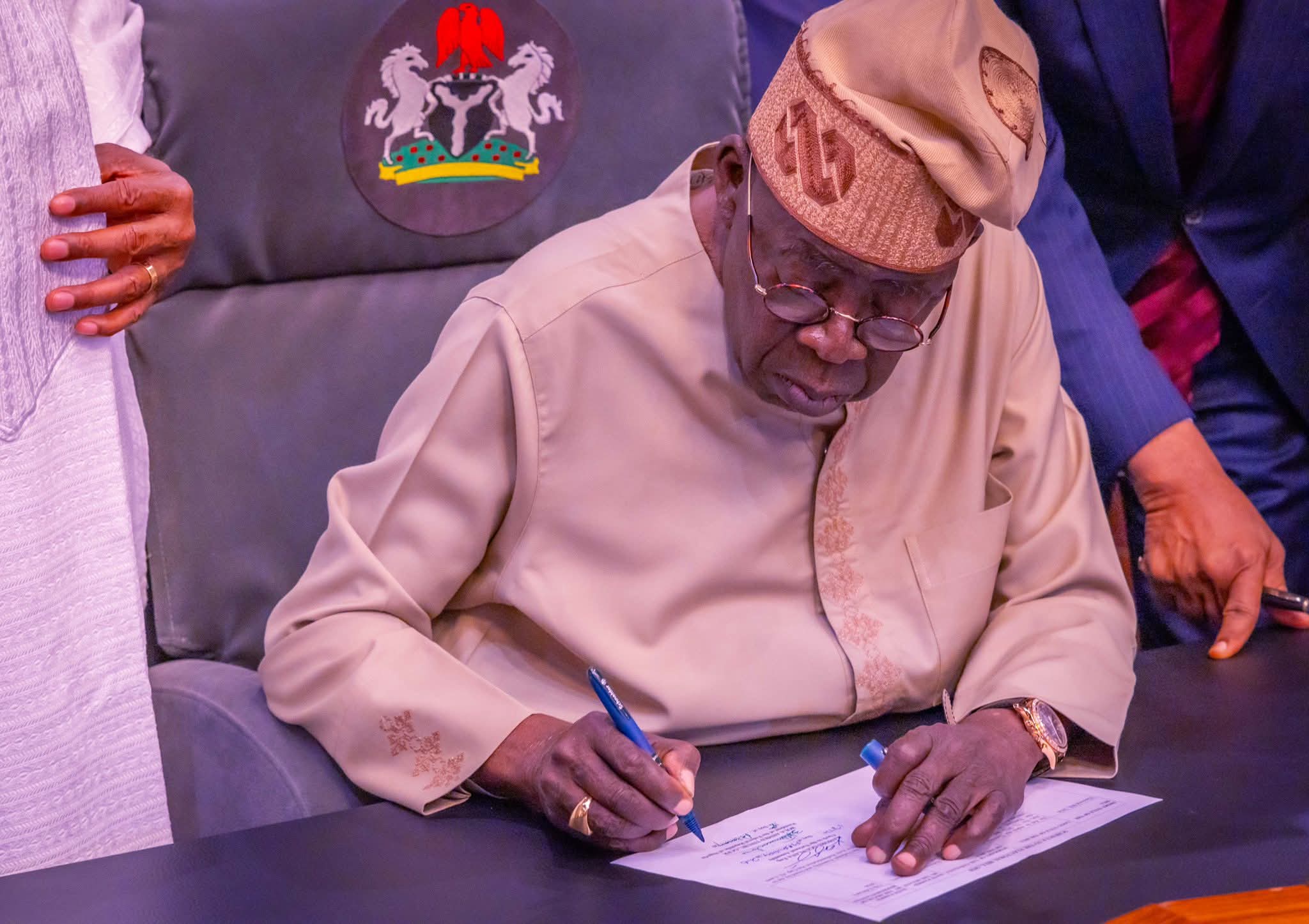
President Bola Ahmed Tinubu has signed the 2026 Appropriation Bill into law in Abuja on April 1, 2026, approving ₦68.32 trillion in total spending. The budget outlines how the Federal Government will allocate funds, prioritise infrastructure, and drive economic growth. It also extends the 2025 capital budget implementation deadline to June 30, 2026, to ensure completion of ongoing projects.
Breakdown of the 2026 Budget
The ₦68.32 trillion budget reflects a strong focus on development and fiscal balance.
- Statutory transfers: ₦4.799 trillion
- Debt servicing: ₦15.8 trillion
- Recurrent expenditure: ₦15.4 trillion
- Capital expenditure: ₦32.2 trillion
Notably, capital spending accounts for about 50% of the total budget. This allocation highlights a shift toward infrastructure and long-term growth.
Focus on Economic Growth and Infrastructure
The government aims to boost economic stability through strategic investments. Capital expenditure will support roads, energy, security, and public services.
Moreover, the budget aligns with the administration’s Renewed Hope Agenda. It prioritises productivity, job creation, and improved living standards.
In addition, the allocation balances obligations such as debt servicing with development needs. This approach supports sustainable economic expansion.
Extension of 2025 Capital Budget
The President also approved an amendment to extend the 2025 capital budget implementation.
The new deadline moves from March 31 to June 30, 2026. This extension allows Ministries, Departments, and Agencies (MDAs) to complete ongoing projects.
As a result, the government expects better project delivery and reduced waste. It also ensures that funds already released achieve maximum impact.
Directives to Ministries and Agencies
President Tinubu instructed MDAs to maintain strict financial discipline. He emphasised transparency, efficiency, and value for money.
Furthermore, he urged agencies to deliver projects on time. This directive aims to strengthen public trust and improve service delivery.
Collaboration with National Assembly
The President praised the National Assembly for swift action on the budget. He highlighted the importance of cooperation between both arms of government.
Such collaboration, he noted, remains essential for national development and policy success.
Commitment to Fiscal Reforms
The administration plans to deepen fiscal reforms and increase revenue generation.
It will also prioritise investments that stimulate growth and expand social protection. These efforts aim to support vulnerable citizens while strengthening the economy.