



 By
By By Elizabeth Ugbo
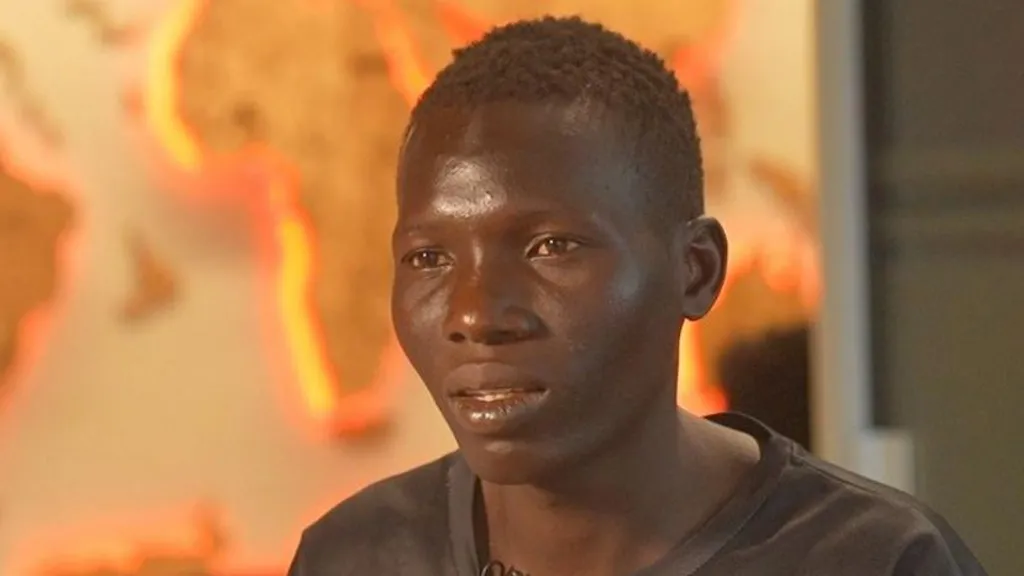
Rasheed Wasiu, a Lagos resident, spent nearly six years in detention after his arrest in October 2020 in Lagos during unrest linked to the #EndSARS protests, despite denying involvement, until a Lagos High Court struck out his case early last month due to lack of evidence, leading to his release.
Background: Arrest During #EndSARS Unrest
In October 2020, protests against police brutality spread across Nigeria under the #EndSARS movement. As tensions rose, violence erupted in parts of Lagos.
Rasheed, then 17, had gone out for a painting job in Amukoko. However, he returned after hearing about the unrest. Despite his mother’s warning, he stepped out again.
Soon after, members of the Odua Peoples Congress arrested him. They accused him of involvement in violent activities.
From Arrest to Detention
Authorities first accused Rasheed of looting. Later, they changed the charge to unlawful possession of firearms.
They initially took him to an army barracks. Afterwards, they transferred him to Kirikiri Correctional Centre.
Despite protests from his mother and neighbours, officials detained him.
Life in Prison: Harsh and Dehumanising
Rasheed described prison conditions as severe. Overcrowding remained a major issue.
Officials often locked up to 70 inmates in small rooms. In addition, food quality remained poor.
“The food is miserable,” he said. “We get weak after eating.”
Healthcare access was limited. However, inmates with money received better care.
He recalled a fellow inmate who died after suffering a swollen leg without treatment.
To survive, Rasheed worked inside the prison. He washed clothes and sold food like “ponmo” for staff.
Years Without Justice
Months passed, then years, without progress in his case.
Occasionally, officials took him to court. However, they often did not call his case.
At one point, one of his lawyers died while representing him.
This delay reflects a wider issue. About 50,000 inmates in Nigeria remain awaiting trial.
Legal Breakthrough and Release
The Take It Back Movement provided legal support. As a result, a Lagos High Court struck out the case.
Adekunle Taofeek, TIB’s Lagos coordinator, described the ruling as significant. He stressed the value of persistence in justice.
A Painful Homecoming
After his release, Rasheed faced another challenge. He could not find his mother.
Neighbours said she left after facing threats of arrest. Some believed Rasheed had died.
“I checked around but couldn’t find her,” he said.
He last saw her shortly after his arrest. She tried visiting him twice but officials denied access.
Some neighbours occasionally saw her at the market. However, they described her as withdrawn.
Rebuilding Life After Prison
Rasheed now lives with his uncle in another part of Lagos. Meanwhile, he continues searching for his mother.
“I pray every day that I will see her,” he said.
Before his arrest, he trained as a tailor. Now, he wants to rebuild his life.
Although neighbours support him, he seeks independence.
“I want to work and give back,” he said.
Systemic Issues in Nigeria’s Justice System
Rasheed’s case highlights broader problems.
Human rights groups continue to raise concerns about prolonged detention without trial.
Many detainees linked to #EndSARS faced arbitrary arrests and inconsistent charges.
Conclusion: A Story of Survival and Hope
Rasheed lost nearly six years due to a delayed justice system.
Despite this, he remains focused on rebuilding his life and finding his mother.