



 By
By By Elizabeth Ugbo
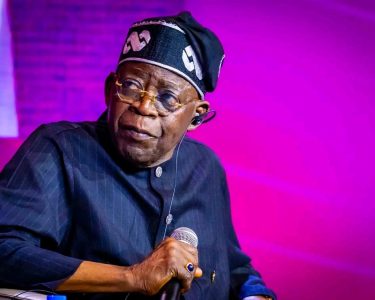
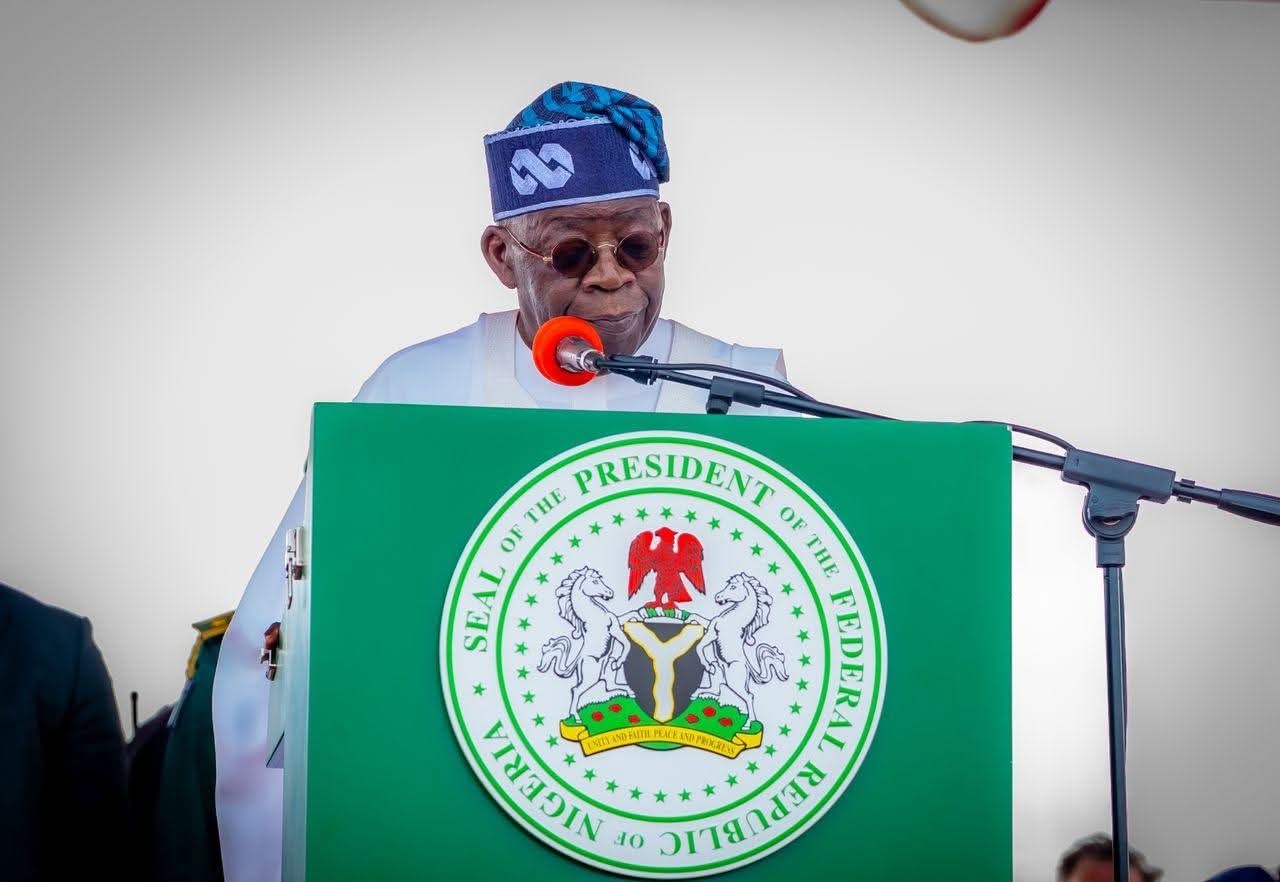
President Bola Tinubu does not need to appear before the House of Representatives to explain the implementation of the 2025 Appropriation Act, Deputy House Spokesperson Philip Agbese said on Sunday in Abuja. Agbese made the statement while addressing journalists following a heated debate in the House over budget implementation. He insisted that ministers, heads of Ministries, Departments and Agencies (MDAs), and the Office of the Accountant-General should answer lawmakers’ questions because they directly manage public funds and execute approved projects.
Debate Over Motion to Summon the President
The controversy followed a motion sponsored by the member representing Aba North/Aba South Federal Constituency, Alex Ikwechegh.
Ikwechegh urged the House to invite President Tinubu to explain the slow implementation of the 2025 budget, especially constituency projects.
However, the proposal divided lawmakers. Some members supported the motion, while others opposed it, leading to a heated debate during plenary.
Speaker Abbas Rejects Fresh Prayer
During the session, Speaker Tajudeen Abbas ruled that the request to summon the President was inadmissible.
According to the Speaker, the prayer did not appear in the original version of the motion submitted before plenary.
“It is a complete deviation from the copy you gave me,” Abbas ruled while declining to entertain the amended request.
Agbese praised the Speaker’s decision, describing it as a demonstration of maturity, fairness and strict adherence to parliamentary rules.
He said Abbas protected the integrity of the House by ensuring that lawmakers followed established procedures.
Ministers, MDAs Responsible for Budget Execution
Agbese maintained that the National Assembly’s oversight powers focus on ministries, departments and agencies responsible for implementing the national budget.
He explained that supervising ministers, heads of MDAs and the Office of the Accountant-General remain constitutionally accountable for budget execution.
“The House does not need Mr President to appear before it to resolve budget-related issues,” Agbese said.
He added that the relevant ministers and government officials possess the detailed information lawmakers require on constituency projects and other appropriated programmes.
House Intensifies Oversight Functions
Furthermore, Agbese stressed that the House would continue to summon ministers and heads of agencies to account for public funds.
He noted that effective legislative oversight remains one of the National Assembly’s strongest constitutional tools for ensuring prudent management of public resources and improved service delivery.
He urged Nigerians not to misunderstand the House’s oversight activities, saying lawmakers remain committed to promoting transparency, accountability and value for public expenditure.
In recent weeks, the House has increased its oversight activities by inviting several ministers and agency heads to explain the utilisation of appropriated funds and the execution of projects approved in the 2025 budget.
NASS Open Week Will Hold as Scheduled
Agbese also dismissed calls for the cancellation of the National Assembly Open Week, scheduled to begin on July 14.
According to him, the annual event has become an important platform for promoting legislative transparency and public engagement.
He said lawmakers would fully participate despite ongoing concerns over budget implementation.
“Though things are critical, members will never abdicate their primary responsibility of lawmaking for any other thing or whatever grouse they may have,” he said.
Agbese added that the programme has strengthened collaboration between the National Assembly and parliamentary institutions across the world.
Lawmakers Express Concern Over Budget Delays
Meanwhile, concerns continue to grow within the House over delays in implementing the 2025 budget, particularly constituency projects.
Several lawmakers have complained that many approved projects remain unexecuted despite receiving legislative approval.
Nevertheless, the House says it will sustain its oversight role to ensure government agencies fully implement projects contained in the national budget.