




 By
By By Elizabeth Ugbo
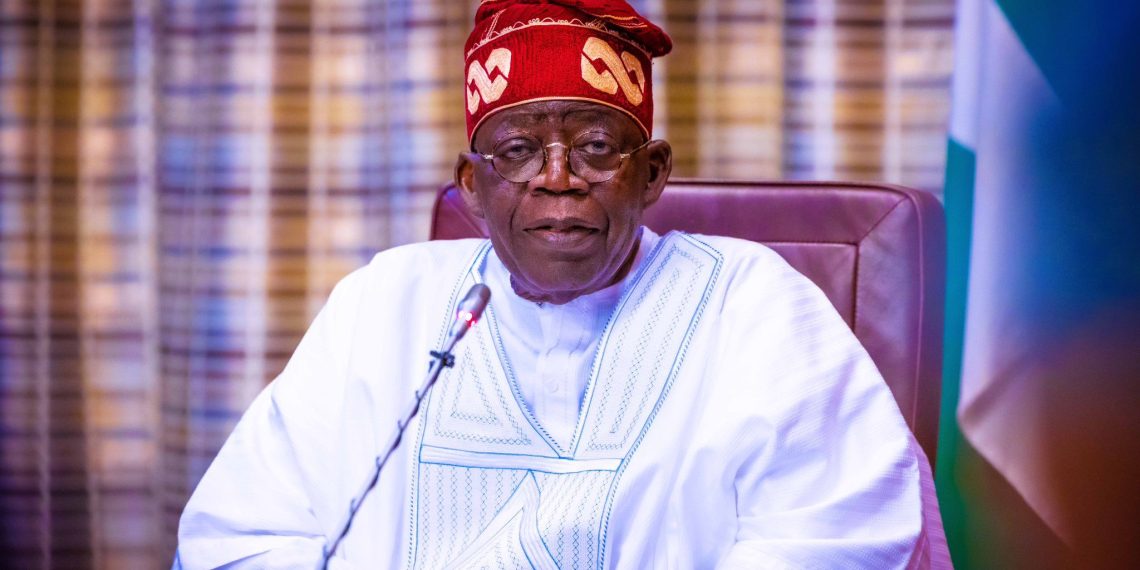
On February 13, 2026, in Abuja, President Bola Ahmed Tinubu signed Executive Order 9 directing that royalty oil, tax oil, profit oil, and profit gas be paid directly into the Federation Account to strengthen transparency, curb revenue leakages, and increase allocations to federal, state, and local governments.
The directive mandates oil and gas operators under Production Sharing Contracts to remit all statutory revenues directly to the Federation Account. It also scraps the 30 per cent Frontier Exploration Fund and ends the 30 per cent management fee previously retained by Nigerian National Petroleum Company Limited.
Tinubu invoked Section 5 and Section 44(3) of the Constitution to back the order. He said Nigeria must end excessive deductions and structural distortions in the sector.
“For too long, revenues meant for federal, state, and local governments were trapped in layers of charges,” the President stated. He added that oil and gas revenues must serve Nigerians first.
CMAN backs reform, calls it historic
The Capital Market Academics of Nigeria threw its weight behind the President.
Its President, Uche Uwaleke, described the move as bold and historic. He said the reform corrects fiscal imbalances created by the Petroleum Industry Act.
According to him, the old structure undermined collective ownership of national resources. He stressed that NNPCL must operate independently as a commercial entity.
However, CMAN urged the inclusion of the Chairman of the Revenue Mobilisation Allocation and Fiscal Commission in the implementation committee. The group said this would strengthen accountability and transparency.
Furthermore, CMAN advised the government to extend the reform to Joint Venture assets. It argued that doing so would maximise national revenue and deepen capital market growth.
Experts seek legal clarity and investor protection
Meanwhile, the Oil, Gas and Energy Policy Forum urged caution. Its Chair, Wumi Iledare, described the order as a significant fiscal intervention.
He acknowledged the government’s goal of safeguarding public revenue. Nevertheless, he warned that parts of the directive intersect with statutory provisions under the PIA.
He referenced the Frontier Exploration Fund and the Midstream and Downstream Gas Infrastructure Fund. He also noted existing Production Sharing Contract arrangements.
According to him, reforms must align with constitutional processes and statutory frameworks. He emphasised the need to separate contractual entitlements from discretionary fiscal practices.
Therefore, the forum proposed a three-step approach. First, lawmakers should conduct prompt legislative consultations. Second, authorities should engage operators transparently. Third, the government should sequence reforms carefully to protect investor confidence.
Revenue implications hit N14.57tn
An analysis of 2025 FAAC data shows the reform could reallocate about N14.57tn to the Federation Account.
Oil and gas royalties collected by the Nigerian Upstream Petroleum Regulatory Commission totalled N7.55tn in 2025. Gas flaring penalties reached N611.42bn.
The Nigeria Revenue Service collected N4.905tn in Petroleum Profits Tax and Hydrocarbon Tax. In addition, the Midstream and Downstream Gas Infrastructure Fund recorded N596.61bn.
Under the new order, these revenues will flow directly into the Federation Account.
However, NNPCL may lose about N906.91bn in management fees and frontier deductions. Each component accounted for N453.455bn in 2025.
Frontier exploration and structural changes
Since the PIA took effect in 2021, the Federation Account received only 40 per cent of Production Sharing Contract proceeds. NNPCL retained 60 per cent, split between frontier exploration and management fees.
The Frontier Exploration Fund financed activities in the Chad, Sokoto, Bida, and Dahomey basins. These projects aimed to expand Nigeria’s reserve base and strengthen long-term energy security.
Now, the executive order ends that funding structure. The directive also suspends gas flare penalty payments into the Midstream and Downstream Gas Infrastructure Fund.
Tinubu said NNPCL will operate strictly as a commercial enterprise. He also announced an implementation committee to ensure coordinated execution.
What this means for states and local governments
The anticipated revenue surge could boost sub-national allocations. Consequently, states and local governments may reduce budget deficits and fund infrastructure more consistently.
For years, the Nigeria Extractive Industries Transparency Initiative and the National Assembly of Nigeria raised concerns about revenue leakages and opaque deductions.
With Executive Order 9, Nigeria may enter a new phase of fiscal discipline in its oil and gas sector. However, experts insist that sustainable reform requires legal certainty, investor trust, and institutional stability.
source: Punch