



 By
By By Elizabeth Ugbo
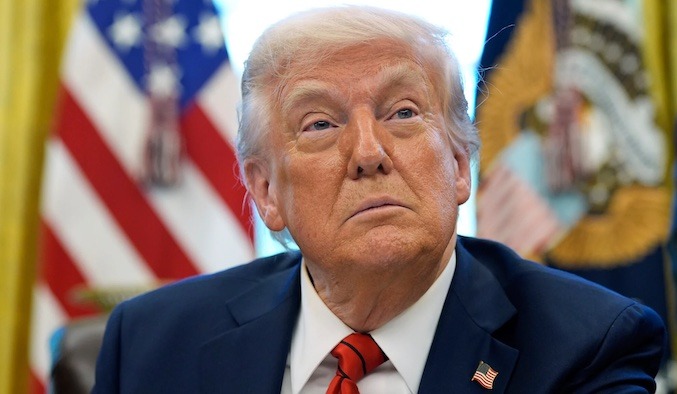
Donald Trump on Wednesday confirmed that the United States will continue its naval blockade of Iran in the Gulf. The move targets Iran’s economy and nuclear ambitions. Washington insists the pressure will force Tehran into a deal. However, Iran rejects the demand and calls for lifting the siege first.
US Doubles Down on Pressure Strategy
Trump stated that Iran’s military capacity has been significantly weakened. He said the country now has only a small number of missiles left.
Moreover, he argued that the blockade works better than direct military strikes. According to him, the restrictions are tightening economic pressure on Tehran.
At the same time, US forces have taken control of at least two vessels linked to Iran. They also redirected dozens of ships in the region recently.
Iran Vows Strong Response
In response, Iranian officials issued strong warnings. An unnamed senior security source told Press TV that Iran will take “unprecedented action.”
Meanwhile, Mohammad Bagher Ghalibaf accused the US of trying to destabilize the country internally. He said Washington aims to create division and weaken Iran from within.
Iran has also seized ships it claims violated maritime laws, escalating tensions further.
Nuclear Talks Remain Deadlocked
The nuclear dispute continues to block diplomatic progress. Iran insists it has the right to enrich uranium domestically. However, the US demands a complete dismantling of Tehran’s nuclear programme.
In addition, Iran refuses to limit its missile and drone production. It also rejects calls to cut ties with groups like Hezbollah and Hamas.
Earlier this week, Iran proposed a limited deal. It offered to end its Hormuz blockade if the US lifted its siege. However, Trump rejected the proposal.
Oil Prices Surge Amid Rising Tensions
As tensions grow, global oil markets have reacted sharply. Brent crude prices climbed above $119 per barrel.
Consequently, fuel prices in the US have surged. Petrol now costs over $4.22 per gallon, compared to under $3 before the conflict.
This spike has increased inflation concerns, especially in energy-dependent economies.
Strait of Hormuz Remains Flashpoint
The Strait of Hormuz remains central to the crisis. It serves as a critical route for global oil shipments.
Although Iran has hinted at reopening the passage, the US has refused to ease restrictions. Trump said he is comfortable maintaining the current pressure.
Therefore, both sides remain locked in a strategic standoff with no immediate resolution in sight.