



 By
By Elizabeth Ugbo
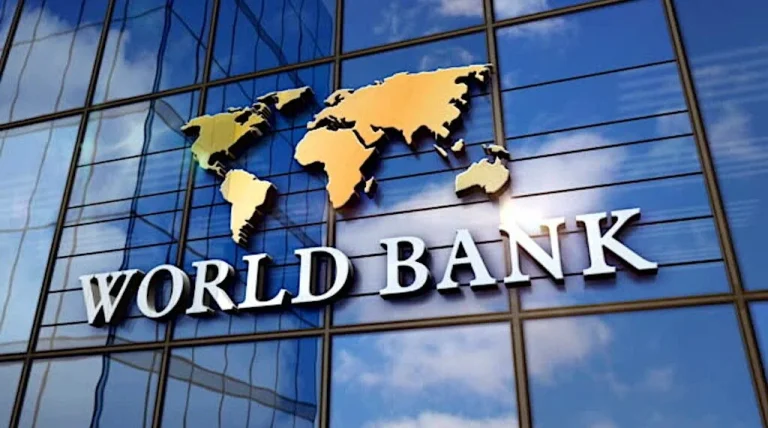
The World Bank has urged the Federal Government and state governments to expand social protection programmes after Nigeria disbursed N658.9 billion to 10.46 million poor and vulnerable households by September 2026. The bank made the recommendation in its latest Nigeria Development Update to improve financial support for vulnerable Nigerians amid economic hardship.
World Bank Calls for Improved Cash Transfer Programme
The World Bank said Nigeria must build on its cash transfer achievements by establishing a sustainable social protection system. It stressed the need for regular payments instead of relying mainly on emergency interventions.
The recommendation appeared in the latest Nigeria Development Update, titled Beyond the Federal Purse: How Higher Revenues Shaped State Priorities. The report examined Nigeria’s economic conditions and government efforts to protect households from financial hardship.
According to the report, the Federal Government used biometric and digital verification systems to identify beneficiaries and deliver cash payments.
However, the bank warned that the programme’s impact depends on three major factors: coverage, payment adequacy and consistency.
N658.9bn Cash Transfers Reach 10.46 Million Households
The Federal Government reported disbursing N658.9 billion to 10.46 million poor and vulnerable households by September 2026.
The World Bank acknowledged the progress but urged the government to expand the programme and improve its effectiveness.
It explained that wider coverage would allow more vulnerable Nigerians to benefit from financial assistance. Furthermore, adequate payments could provide meaningful relief to households struggling with rising living costs.
The bank also emphasised the importance of consistent disbursements. Regular payments would help beneficiaries plan their expenses and meet essential household needs.
Consequently, the report called for faster implementation and improvements in the programme’s reach, payment value and reliability.
World Bank Advocates Sustainable Social Protection Funding
Beyond expanding cash transfers, the World Bank urged federal and state governments to establish a long-term funding framework.
The bank argued that sustainable financing would help maintain assistance to poor and vulnerable households. It also recommended dedicated budget allocations at both levels of government.
According to the report, Nigeria must gradually increase funding from government resources. Federal and state authorities should also develop a shared vision for social protection.
This approach would reduce dependence on temporary interventions and make financial assistance more predictable. Moreover, dedicated budget lines could strengthen accountability and improve the monitoring of social assistance programmes.
States Urged to Support Federal Cash Transfers
The recommendation also places greater responsibility on state governments to support vulnerable residents through their budgets.
Rather than relying mainly on federal interventions, states should allocate resources to complementary social protection programmes.
In addition, stronger coordination between federal and state authorities could improve beneficiary identification, payment delivery and programme monitoring.
A coordinated national framework would also help governments identify gaps in coverage and direct assistance towards households that need it most.
Push for Regular Support to Vulnerable Nigerians
The World Bank maintained that Nigeria must move beyond emergency relief towards a reliable and sustainable social protection system.
Such a system would provide consistent support to vulnerable households while strengthening their ability to withstand economic pressures.
Ultimately, the bank said wider coverage, adequate payments, regular disbursements and sustainable government funding would determine the programme’s long-term impact on household welfare.
The recommendations highlight the need for stronger cooperation between federal and state governments to ensure that social assistance delivers lasting benefits to vulnerable Nigerians.