



 By
By By Elizabeth Ugbo
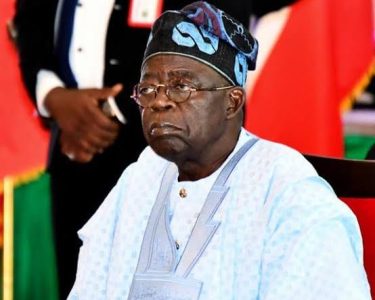
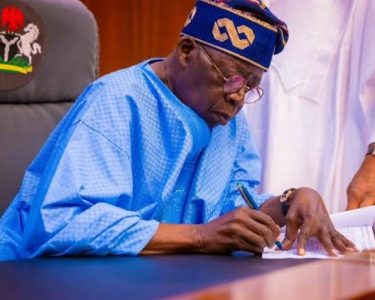
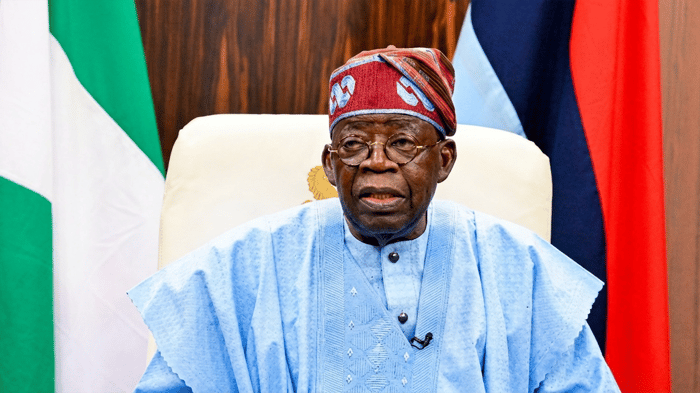
President Bola Ahmed Tinubu has issued a new petroleum industry directive in 2026. The order seeks to tighten oil revenue remittances. It aims to curb fiscal leakages in Nigeria’s oil sector. The directive affects the Nigerian National Petroleum Company Limited and other operators. Lawmakers, labour unions, and investors now question its scope and legality.
Oil remains Nigeria’s fiscal backbone. It generates about 70 per cent of government revenue. It also delivers over 80 per cent of export earnings. Production fluctuates between 1.3 and 1.5 million barrels per day. Therefore, any reform in the sector carries national consequences.
Why the Petroleum Industry Act Matters
Nigeria did not rush petroleum reform in the past. The Petroleum Industry Act took nearly two decades to pass. The National Assembly debated, revised, and consulted widely before approval in 2021.
That long process reflected the industry’s complexity. Lawmakers balanced regional equity with investor confidence. They also addressed host-community rights and regulatory clarity. As a result, the final law gained legitimacy. It showed that petroleum governance requires consensus, not speed.
Labour Unions Demand Clarity
However, the new executive order has unsettled stakeholders. The Nigeria Union of Petroleum and Natural Gas Workers and the Petroleum and Natural Gas Senior Staff Association of Nigeria have demanded clarification. They want clear details about the directive’s scope and impact.
Labour leaders fear abrupt structural changes. The oil sector employs thousands of Nigerians directly and indirectly. It also sustains public finances at every level. Therefore, stability and predictability remain vital for long-term investment.
Constitutional Balance and Executive Powers
Legal analysts have raised constitutional concerns. Executive orders implement existing laws. They do not replace legislative amendments.
The PIA defined the commercial status of NNPCL. It also set financial and regulatory procedures. Consequently, any structural adjustment must align with the statute. Otherwise, it risks legal disputes and investor anxiety.
The Case for Transparency Reform
Nonetheless, transparency reform remains urgent. Nigeria has lost billions of dollars through opaque deductions and disputed subsidy claims. Weak accounting practices have deepened mistrust.
Stronger remittance discipline could boost public revenue. Even a five per cent efficiency gain may yield hundreds of billions of naira annually. From a fiscal standpoint, reform makes sense.
The Way Forward
We urge President Tinubu, who also serves as Petroleum Minister, to expand stakeholder dialogue. Broad consultations can build trust and reduce uncertainty. Transparent implementation will reassure investors and workers alike.
Furthermore, the government must protect frontier exploration funding. Nigeria cannot afford declining reserves. Sustainable investment must continue alongside reform.
In conclusion, the petroleum industry executive order Nigeria has sparked a necessary debate. Transparency deserves support. However, reform must respect legal frameworks and industry stability. Nigeria’s economy depends on both.President Bola Ahmed Tinubu has issued a new petroleum industry directive in 2026. The order seeks to tighten oil revenue remittances. It aims to curb fiscal leakages in Nigeria’s oil sector. The directive affects the Nigerian National Petroleum Company Limited and other operators. Lawmakers, labour unions, and investors now question its scope and legality.
Oil remains Nigeria’s fiscal backbone. It generates about 70 per cent of government revenue. It also delivers over 80 per cent of export earnings. Production fluctuates between 1.3 and 1.5 million barrels per day. Therefore, any reform in the sector carries national consequences.
Why the Petroleum Industry Act Matters
Nigeria did not rush petroleum reform in the past. The Petroleum Industry Act took nearly two decades to pass. The National Assembly debated, revised, and consulted widely before approval in 2021.
That long process reflected the industry’s complexity. Lawmakers balanced regional equity with investor confidence. They also addressed host-community rights and regulatory clarity. As a result, the final law gained legitimacy. It showed that petroleum governance requires consensus, not speed.
Labour Unions Demand Clarity
However, the new executive order has unsettled stakeholders. The Nigeria Union of Petroleum and Natural Gas Workers and the Petroleum and Natural Gas Senior Staff Association of Nigeria have demanded clarification. They want clear details about the directive’s scope and impact.
Labour leaders fear abrupt structural changes. The oil sector employs thousands of Nigerians directly and indirectly. It also sustains public finances at every level. Therefore, stability and predictability remain vital for long-term investment.
Constitutional Balance and Executive Powers
Legal analysts have raised constitutional concerns. Executive orders implement existing laws. They do not replace legislative amendments.
The PIA defined the commercial status of NNPCL. It also set financial and regulatory procedures. Consequently, any structural adjustment must align with the statute. Otherwise, it risks legal disputes and investor anxiety.
The Case for Transparency Reform
Nonetheless, transparency reform remains urgent. Nigeria has lost billions of dollars through opaque deductions and disputed subsidy claims. Weak accounting practices have deepened mistrust.
Stronger remittance discipline could boost public revenue. Even a five per cent efficiency gain may yield hundreds of billions of naira annually. From a fiscal standpoint, reform makes sense.
The Way Forward
We urge President Tinubu, who also serves as Petroleum Minister, to expand stakeholder dialogue. Broad consultations can build trust and reduce uncertainty. Transparent implementation will reassure investors and workers alike.
Furthermore, the government must protect frontier exploration funding. Nigeria cannot afford declining reserves. Sustainable investment must continue alongside reform.
In conclusion, the petroleum industry executive order Nigeria has sparked a necessary debate. Transparency deserves support. However, reform must respect legal frameworks and industry stability. Nigeria’s economy depends on both.President Bola Ahmed Tinubu has issued a new petroleum industry directive in 2026. The order seeks to tighten oil revenue remittances. It aims to curb fiscal leakages in Nigeria’s oil sector. The directive affects the Nigerian National Petroleum Company Limited and other operators. Lawmakers, labour unions, and investors now question its scope and legality.
Oil remains Nigeria’s fiscal backbone. It generates about 70 per cent of government revenue. It also delivers over 80 per cent of export earnings. Production fluctuates between 1.3 and 1.5 million barrels per day. Therefore, any reform in the sector carries national consequences.
Why the Petroleum Industry Act Matters
Nigeria did not rush petroleum reform in the past. The Petroleum Industry Act took nearly two decades to pass. The National Assembly debated, revised, and consulted widely before approval in 2021.
That long process reflected the industry’s complexity. Lawmakers balanced regional equity with investor confidence. They also addressed host-community rights and regulatory clarity. As a result, the final law gained legitimacy. It showed that petroleum governance requires consensus, not speed.
Labour Unions Demand Clarity
However, the new executive order has unsettled stakeholders. The Nigeria Union of Petroleum and Natural Gas Workers and the Petroleum and Natural Gas Senior Staff Association of Nigeria have demanded clarification. They want clear details about the directive’s scope and impact.
Labour leaders fear abrupt structural changes. The oil sector employs thousands of Nigerians directly and indirectly. It also sustains public finances at every level. Therefore, stability and predictability remain vital for long-term investment.
Constitutional Balance and Executive Powers
Legal analysts have raised constitutional concerns. Executive orders implement existing laws. They do not replace legislative amendments.
The PIA defined the commercial status of NNPCL. It also set financial and regulatory procedures. Consequently, any structural adjustment must align with the statute. Otherwise, it risks legal disputes and investor anxiety.
The Case for Transparency Reform
Nonetheless, transparency reform remains urgent. Nigeria has lost billions of dollars through opaque deductions and disputed subsidy claims. Weak accounting practices have deepened mistrust.
Stronger remittance discipline could boost public revenue. Even a five per cent efficiency gain may yield hundreds of billions of naira annually. From a fiscal standpoint, reform makes sense.
The Way Forward
We urge President Tinubu, who also serves as Petroleum Minister, to expand stakeholder dialogue. Broad consultations can build trust and reduce uncertainty. Transparent implementation will reassure investors and workers alike.
Furthermore, the government must protect frontier exploration funding. Nigeria cannot afford declining reserves. Sustainable investment must continue alongside reform.
In conclusion, the petroleum industry executive order Nigeria has sparked a necessary debate. Transparency deserves support. However, reform must respect legal frameworks and industry stability. Nigeria’s economy depends on both.