



 By
By By Elizabeth Ugbo
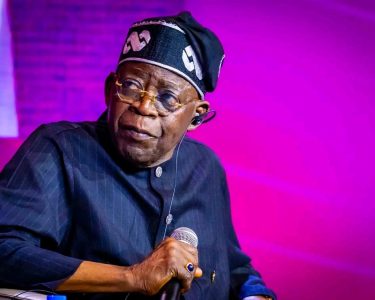
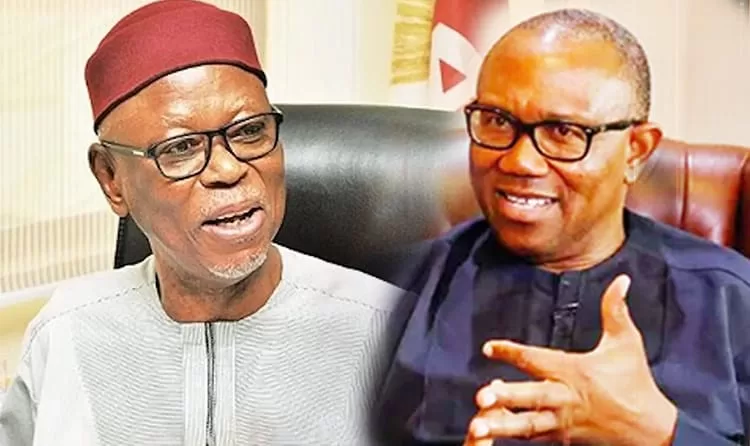
Nigeria faces rising political tension after attacks linked to opposition activities in several states. Gunmen disrupted an ADC event in Benin City attended by Peter Obi and John Oyegun. In Rivers State, armed men attacked the convoy of Rotimi Amaechi and burned an ADC office in Ubima. Meanwhile, ADC officials alleged that a party agent, Musa Abubakar, was killed during the AMAC election in Abuja. These incidents occurred in early 2026 and raise serious concerns about political violence ahead of the 2027 elections. Observers now ask who carried out the attacks, who funded them, and why authorities struggle to stop them.
Early Warning Signs of Political Violence
Political violence rarely appears suddenly. Instead, it develops through repeated warning signs.
First, politicians begin to describe rivals as enemies.
Next, supporters transform into private militias.
Then, attacks on offices, convoys, and journalists become common.
Authorities often respond only after public outrage. Consequently, public trust in democracy weakens.
Moreover, citizens begin to avoid political participation. Many voters simply stay home during elections.
Recent Incidents Raise Serious Concerns
Recent attacks have intensified these fears.
Gunmen reportedly stormed an ADC gathering in Benin City attended by Peter Obi and John Oyegun. Witnesses described the incident as a clear act of intimidation.
Similarly, attackers targeted the convoy of Rotimi Amaechi in Rivers State. Shortly afterward, arsonists burned an ADC secretariat in Ubima.
Security agencies have yet to identify the perpetrators. However, Amaechi urged authorities to arrest both attackers and sponsors.
Meanwhile, the ADC argued that arresting one suspect cannot answer larger questions. The party wants investigators to expose the entire network behind the attacks.
Why Investigations Must Go Beyond Foot Soldiers
The real test for government lies in accountability.
Authorities often arrest the individuals who carry out attacks. However, the masterminds frequently escape punishment.
This pattern encourages further violence. Political actors then see intimidation as a workable strategy.
Therefore, security agencies must investigate the full chain of responsibility. They must identify planners, financiers, and organisers.
Without such accountability, violence remains a usable political tool.
Lessons from Rivers State’s Violent Past
Nigeria has experienced similar crises before.
During the 2015 elections in Rivers State, political violence killed more than 200 people. Investigations revealed widespread arson, destruction, and intimidation.
A state commission of inquiry blamed the violence on political actors and criminal groups. It also criticised security agencies for failing to prosecute offenders.
As a result, many perpetrators believed they were untouchable.
This culture of impunity still threatens Nigeria’s democracy today.
When Politics and Criminal Networks Merge
Political violence often fuels criminal ecosystems.
Reports from organisations such as the Policy and Legal Advocacy Centre show that politicians frequently recruit gangs for election activities.
Similarly, research by the Global Initiative Against Transnational Organized Crime describes links between gangs and election violence in several Nigerian states.
These networks do not disappear after elections. Instead, they expand into criminal markets.
Consequently, violence during campaigns can create long-term security threats.
Rising Violence Across Nigeria
Recent attacks across Nigeria highlight the dangers of weak authority.
In February 2026, gunmen reportedly killed about 170 people in Kwara State. Attackers allegedly tied victims’ hands before executing them.
Meanwhile, at least 21 people died in Katsina after a local peace deal with gunmen collapsed.
These incidents appear unrelated to elections. However, they reveal a deeper problem.
Armed groups thrive where state authority weakens.
Historical Lessons Nigeria Cannot Ignore
Nigeria has faced this danger before.
The violent crisis known as Operation Wetie erupted in the Western Region after disputed elections in 1965.
Riots, arson, and killings followed the political crisis. Eventually, the unrest destabilised the First Republic.
Soon afterward, the military seized power in the 1966 Nigerian coup d’état.
History shows that unchecked political violence can destroy democratic systems.
Declining Voter Participation Raises Alarm
Nigeria already faces declining voter confidence.
The 2023 presidential election recorded a turnout of roughly 27 percent. This was the lowest participation rate in Nigeria’s democratic history.
Fear and distrust played major roles.
Citizens rarely vote enthusiastically when politics appears dangerous.
Instead, they prioritise personal safety.
Low participation then strengthens violent actors.
A Warning Ahead of the 2027 Elections
Nigeria still has time to reverse this trend.
However, authorities must act decisively.
Security agencies must treat attacks on political actors as threats to national stability. Political parties must reject the use of criminal groups.
Civil society, religious leaders, and the media must also act as early warning systems.
Above all, the government must prosecute sponsors of political violence.
Failure to act now could make the 2027 elections dangerously volatile.
The warning signs already exist. Nigeria must not ignore them.