



 By
By By Elizabeth Ugbo
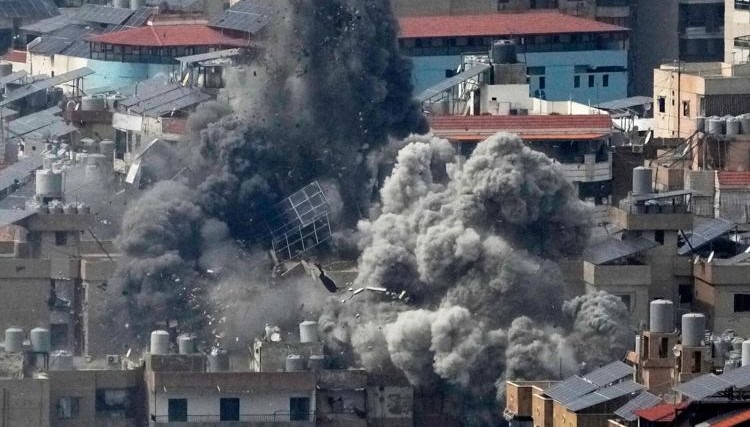
Iran’s Revolutionary Guards launched missiles at Israeli cities and US targets in the region on Tuesday, escalating tensions after the February 28 strikes that killed Ayatollah Ali Khamenei. The attacks aim to punish aggressors and prevent future assaults, while explosions shook Bahrain’s capital, Manama.
Iran Declares No Ceasefire
Iranian parliament speaker Mohammad Bagher Ghalibaf, a former top Revolutionary Guards commander, stated on X in English:
“Certainly we aren’t seeking a ceasefire. We believe the aggressor must be punished and taught a lesson that will deter future attacks.”
The declaration signals Tehran’s continued defiance against international pressure.
US Warns of Military Retaliation
US Defense Secretary Pete Hegseth warned that Tuesday marked “the most intense day of strikes inside Iran — the most fighters, the most bombers.”
Former US President Donald Trump also threatened Iran via Truth Social, warning of “military consequences at a level never seen before” if mines were placed in the Strait of Hormuz.
Strait of Hormuz Under Threat
Iranian attacks have closed the strategic Strait of Hormuz, a crucial waterway where a quarter of the world’s seaborne oil and a fifth of global LNG normally passes. CNN reported, citing US intelligence, that Iran had begun laying explosives in the waterway.
Tehran has vowed that no crude exports would leave the Gulf if bombardments continue, further heightening energy market instability.
Conflict Escalation and Regional Impact
The conflict, triggered by the February 28 US-Israeli strikes, has engulfed the Middle East and disrupted global energy markets. Explosions in Tehran and across the Gulf demonstrate Iran’s refusal to yield.
Analysts warn that the ongoing standoff could lead to more severe military and economic consequences if tensions remain unresolved.