



 By
By By Elizabeth Ugbo
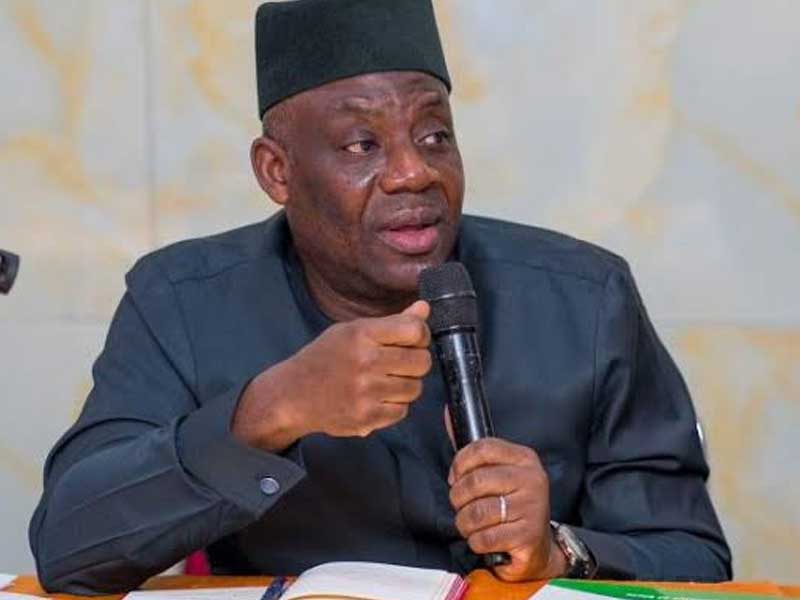
The Federal Government of Nigeria, led by Education Minister Tunji Alausa, has announced plans to scrap the Junior Secondary School Common Entrance Examination and introduce a Learner Identification Number. The reform was disclosed in Lagos on Saturday during an interactive session with journalists. The initiative aims to track pupils, improve school retention, and strengthen access to education nationwide.
New Learner Identification Number to Track Pupils
The government will introduce a Learner Identification Number for every child from primary school. This number will remain with each pupil throughout their academic journey.
According to Alausa, the system will help authorities monitor progress and identify dropouts early. As a result, officials can quickly investigate why a child leaves school.
He explained that the tracking system will follow pupils even if they transfer between schools. Therefore, education records will remain consistent and accessible.
Continuous Assessment to Replace Common Entrance
The government will replace the common entrance examination with Continuous Assessment (CA). This new system will evaluate pupils from primary one onward.
Each pupil will carry their academic performance record when changing schools. Consequently, schools can assess students more accurately.
The minister said this approach will improve transitions from primary to secondary education. It will also reduce examination pressure on young learners.
Government Moves to Boost School Enrolment
In addition, the government plans to revive the school feeding programme. This initiative aims to attract more children to public schools.
Alausa noted that better monitoring will improve the programme’s impact. Therefore, authorities may move it to the Federal Ministry of Education.
Shortage of Schools Remains a Major Challenge
The minister highlighted a serious gap in school access across the country. Nigeria has over 50,000 public primary schools with more than 23 million pupils.
However, only about 3 million pupils proceed to junior secondary school. This gap raises concerns about millions of out-of-school children.
Alausa stressed that private schools cannot absorb all pupils. Therefore, state governments must build more schools to meet demand.
Collaboration with State Governments
The Federal Government has engaged the Nigerian Governors’ Forum on the issue. The discussions focus on expanding school infrastructure nationwide.
Alausa urged state governments to act quickly. More schools will help accommodate growing student populations.
Reform Aims to Improve Education Outcomes
Overall, the proposed reforms target better access, improved tracking, and higher retention rates. The government aims to ensure more Nigerian children complete basic education.
The minister emphasized that data-driven policies will guide future decisions. As a result, the education sector will become more efficient and inclusive.