




 By
By By Elizabeth Ugbo
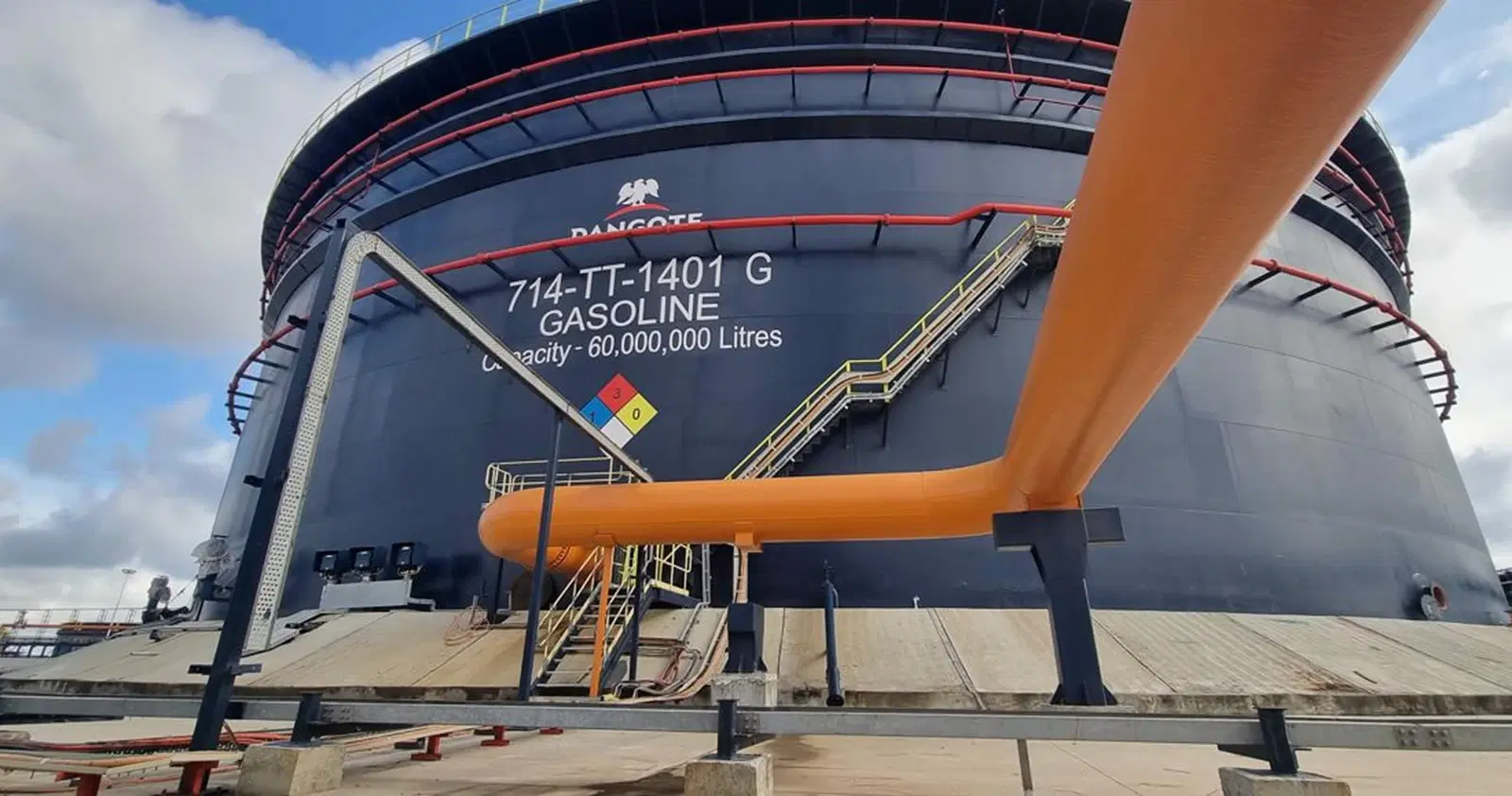
In Nigeria, the Dangote Refinery, owned by Aliko Dangote, has transformed the nation’s fuel supply since October 2024. The refinery began producing petrol (PMS) to ensure steady availability. It achieved this by increasing local refining capacity and reducing dependence on imports. As a result, Nigerians now enjoy stable fuel supply without queues.
End of Petrol Queues and Import Dependence
The refinery has eliminated long petrol queues across the country. Previously, the Nigerian National Petroleum Company Limited maintained fuel reserves on offshore vessels. This system created huge demurrage costs.
However, local refining has changed the narrative. Nigeria now produces enough fuel to meet domestic demand. Consequently, supply remains stable even during festive seasons.
Nigeria Emerges as a Regional Energy Exporter
The refinery has strengthened Nigeria’s position in Africa’s energy market. It now exports refined petroleum products to several African countries.
In March alone, exports reached nearly 500,000 tons. This development has generated significant foreign exchange earnings. Moreover, it has improved Nigeria’s diplomatic and trade influence across the continent.
Local Production Drives Economic Growth
Local refining supports Nigeria’s industrial growth. It creates jobs and boosts related sectors. In addition, it helps conserve foreign exchange.
More importantly, it protects the economy from global supply disruptions. Countries that depend on imports face greater risks during crises. Nigeria now stands in a stronger position due to local production.
Shield Against Global Energy Crisis
The ongoing Iran–Israel–US conflict has disrupted global energy markets. The closure of the Strait of Hormuz has worsened the situation.
This route handles over 20% of global oil and gas flows. As a result, many countries now face shortages and rising prices.
Despite this crisis, Nigeria has avoided fuel scarcity. The Dangote Refinery scaled production at the right time. Therefore, it continues to meet local demand effectively.
Strategic Pricing and Consumer Relief
Although global crude prices have increased, the refinery has reduced petrol prices by ₦75 per litre. This move has helped cushion the impact on Nigerians.
Notably, the refinery pays up to $18 extra per barrel for local crude. Even so, it maintains competitive pricing. This highlights the benefits of domestic refining.
Global Energy Struggles Highlight Nigeria’s Advantage
Many countries face severe energy challenges. For example, Vietnam encourages remote work to cut fuel use. Thailand enforces energy-saving policies.
Similarly, Bangladesh limits fuel sales and closes institutions early. Pakistan has introduced a four-day work week. In addition, Egypt restricts business hours to conserve energy.
Meanwhile, countries like South Africa and Kenya now rely on Nigerian fuel exports. This shift shows Nigeria’s growing importance in global energy supply.
Naira-for-Crude Policy Strengthens Supply Chain
President Bola Ahmed Tinubu introduced the naira-for-crude policy in July 2024. The initiative allows local refineries to pay for crude oil in naira.
Key officials like Wale Edun and Zacch Adedeji oversee the framework.
Since its launch in October 2024, the policy has improved supply stability. It has also strengthened Nigeria’s economic resilience.
Conclusion: A Foundation for Energy Sovereignty
The Dangote Refinery has become a cornerstone of Nigeria’s energy security. It ensures steady fuel supply and reduces exposure to global shocks.
Furthermore, it positions Nigeria as a key energy supplier in Africa. As global uncertainties persist, local refining will remain vital for economic stability.