




 By
By By Elizabeth Ugbo
The United Nations and European Union have called for Gaza’s reconstruction to be Palestinian-led. They made this statement in April 2026, following a devastating conflict in Gaza. The report outlines who should lead rebuilding, what damage occurred, where it is concentrated, when recovery should begin, and why urgent funding is needed.
UN and EU Reject External Control of Gaza
The UN and EU insist that reconstruction must support governance by the Palestinian Authority. This position directly challenges earlier suggestions by former US President Donald Trump. He had hinted at transforming Gaza into a Mediterranean resort.
However, global bodies stress that Palestinians must control their future. Therefore, they advocate governance transition rather than external redevelopment plans.
Scale of Destruction in Gaza
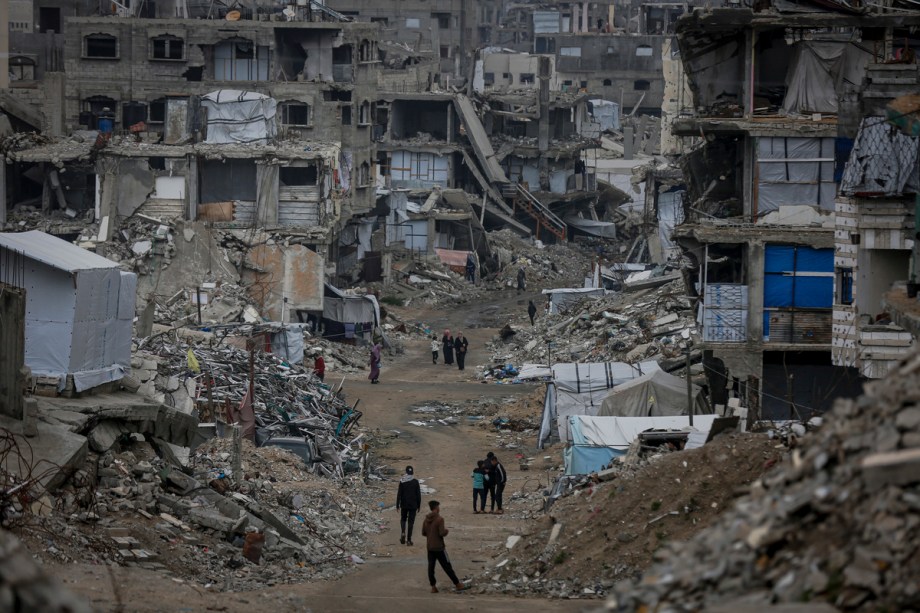
The damage in Gaza Strip remains staggering. According to the Gaza Rapid Damage and Needs Assessment:
- 371,888 housing units are destroyed or damaged
- Over 50% of hospitals are nonfunctional
- Nearly all schools are damaged or destroyed
Additionally, the economy has shrunk by 84%. About 1.9 million people have been displaced, often repeatedly. More than 60% of residents have lost their homes.
Key Sectors Severely Affected
The conflict has crippled major sectors. These include:
- Housing
- Healthcare
- Education
- Commerce
- Agriculture
As a result, human development in Gaza has been pushed back by 77 years. This setback highlights the long-term consequences of the war.
Financial Cost of Reconstruction
The report estimates massive financial needs. Physical infrastructure damage stands at $35.2 billion. Economic and social losses add another $22.7 billion.
In the short term, $26.3 billion is required within 18 months. This funding will restore essential services and rebuild infrastructure.
Over the next decade, total recovery costs could exceed $71 billion.
Fragile Ceasefire and Ongoing Violence
A ceasefire agreed in October remains fragile. The deal followed the October 7, 2023 attacks by Hamas on southern Israel.
Since then, violence has continued. Gaza’s Ministry of Health reports over 72,500 deaths. Furthermore, at least 777 people have died after the ceasefire began.
In April alone, 32 killings were recorded. Among the victims was journalist Mohammed Wishah.
Ceasefire Violations and Humanitarian Crisis
Gaza authorities report 2,400 ceasefire violations by Israel. These include killings, arrests, and blockades. They also cite starvation policies affecting civilians.
Meanwhile, the UN estimates over 61 million tonnes of rubble across Gaza. Entire communities remain buried under debris.
Urgent Need for Coordinated Recovery
The UN and EU describe the situation as catastrophic. They emphasize immediate and coordinated reconstruction efforts.
However, they maintain that recovery must remain Palestinian-led. This approach, they argue, ensures sustainable governance and long-term stability.