



 By
By By Elizabeth Ugbo
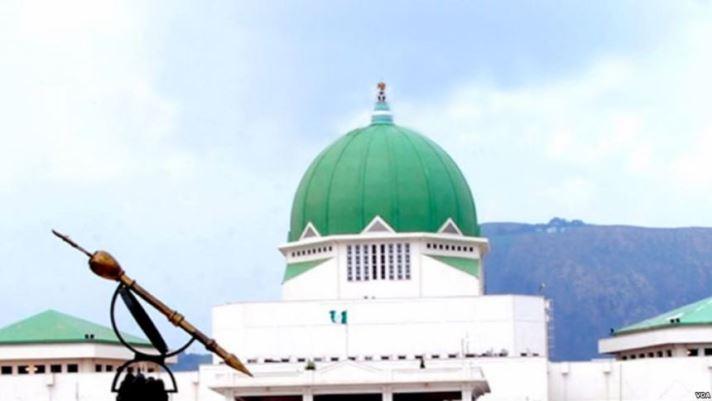
Nigeria’s National Assembly resumed plenary on Tuesday in Abuja, with lawmakers returning after the Easter recess to tackle constitutional amendments, state policing, and rising insecurity. The session, led by Senate President Godswill Akpabio and Speaker Tajudeen Abbas, comes as President Bola Ahmed Tinubu pushes for legislative backing for state police. The review aims to decentralise policing, improve security, and strengthen governance ahead of the 2027 elections.
Push for State Police Gains Momentum
President Tinubu has repeatedly urged lawmakers to support state policing. As a result, proposals are advancing within both chambers.
The Nigeria Police Force has already submitted a reform framework. This signals growing institutional backing for decentralised policing.
Meanwhile, Senate Leader Opeyemi Bamidele confirmed that lawmakers are prioritising accountability. He stated that safeguards will prevent political misuse.
In addition, the framework aligns with global best practices. It also protects fundamental rights while devolving powers.
Constitutional Amendments Take Centre Stage
Lawmakers are revisiting key constitutional reforms. Several bills have already passed second reading.
The proposals focus on:
- Devolution of powers
- Fiscal federalism
- State policing
- Local government autonomy
- Judicial reforms
- Electoral adjustments
- Reserved seats for women
Furthermore, committees will resume public hearings nationwide. These consultations will include civil society and political stakeholders.
However, amendments require approval from two-thirds of state assemblies. This requirement may slow progress.
Wave of Defections Reshapes Legislature
Political realignments are intensifying ahead of 2027. Both chambers are experiencing significant defections.
In the Senate, the Peoples Democratic Party risks losing more members. Notably, Aliyu Wadada defected from the Social Democratic Party. His move follows endorsement by Abdullahi Sule.
This shift reflects a broader trend. Lawmakers are aligning legislative roles with future ambitions.
House of Representatives Faces Larger Shake-Up
The House is witnessing even greater political movement. Before the Easter break, about 27 lawmakers defected.
Speaker Abbas indicated more defections could follow. Some letters were not read due to absences.
A key development involves Philip Agbese. The Deputy Spokesperson moved from the All Progressives Congress to the Labour Party.
Consequently, analysts expect internal contestation and further crossovers.
Coalition Talks and Opposition Concerns
Coalition discussions are gaining traction. Platforms like the African Democratic Congress are exploring alliances.
However, analysts warn of risks. Continuous defections may weaken opposition oversight. In turn, this could strengthen the ruling party’s dominance.
Rising Insecurity Drives Urgency
Security challenges remain severe across Nigeria. Kidnappings, banditry, and communal clashes persist.
For instance, violence continues in the North-West, North-Central, and North-East regions. Therefore, pressure is mounting on lawmakers.
They must move beyond debates and implement concrete solutions. State policing has emerged as a central response.
Economic Pressures Demand Legislative Action
Nigeria’s economy also requires urgent attention. Inflation and fiscal pressures remain high.
Lawmakers are expected to strengthen oversight. They will also support ongoing economic reforms through legislation.
Outlook: Reform vs Political Interests
As plenary resumes, three forces will shape outcomes:
- Constitutional reform
- Political defections
- National challenges
Although reforms offer long-term benefits, political interests may slow progress.
Ultimately, success depends on alignment between federal lawmakers, states, and party structures. Without this cooperation, key amendments may stall.