



 By
By By Elizabeth Ugbo
Crude oil deliveries to the Dangote Oil and Gas Company Limited increased significantly in April 2026, as Nigerian National Petroleum Company Limited supplied over 1.03 million metric tonnes of crude. The shipments, handled through eight cargoes, arrived at the Lekki-based refinery within the month. These deliveries aimed to boost refining operations, improve fuel availability, and reduce Nigeria’s reliance on imports.
Strong Crude Supply Boosts Refinery Operations
NNPC Trading executed the deliveries using eight crude cargoes. These shipments equate to about 6.8 million barrels or over 1.08 billion litres.
Five cargoes have already discharged. Meanwhile, three others are awaiting berthing or completion. This steady inflow highlights a consistent supply pipeline.
The refinery sourced crude from major Nigerian streams, including Anyala, Bonga, Odudu, Forcados, Qua Iboe, and Utapate. Tankers delivered the cargoes through Single Point Mooring systems, SPM-C1 and SPM-C2.
Efficient Vessel Turnaround Signals Operational Gains
Operational data shows improved efficiency at offshore terminals. Most vessels berthed within one to two days of arrival. They also departed shortly after discharge.
This faster turnaround suggests better coordination and reduced congestion at the facility.
Dangote Refinery’s Strategic Role in Nigeria
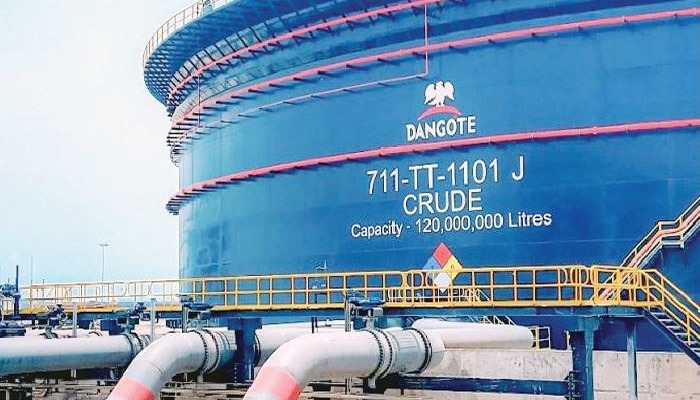
The Dangote refinery, located in Lekki, Lagos, remains Africa’s largest single-train refinery. It has a capacity of 650,000 barrels per day.
The facility aims to refine domestic crude into petrol, diesel, and aviation fuel. As a result, Nigeria could reduce dependence on imported petroleum products.
Dangote Highlights Increased Crude Supply
Africa’s richest man, Aliko Dangote, recently confirmed the increase in crude supply.
According to him, the refinery received 10 cargoes in March. This figure doubled the previous monthly average of five cargoes.
He added that six cargoes were paid for in naira, while four were settled in dollars. This reflects evolving commercial arrangements with NNPC.
International and Domestic Cargoes Support Operations
In addition to NNPC supplies, several international traders contributed cargoes.
For instance, Yasa Hercules delivered 273,287 metric tonnes from Corpus Christi, United States. Similarly, Front Orkla supplied 264,889 metric tonnes from Ingleside.
Navig8 Passion delivered a major cargo of 496,330 metric tonnes from Cameroon. This highlights growing regional integration.
Domestic shipments also played a role. Harmonic supplied nearly 993,240 barrels from Ugo Ocha. Aura M delivered one million barrels from Escravos.
Other contributions came from Anyala, Odudu, Bonga, and Forcados streams.
Refined Products and Blending Components Arrive
The refinery also received refined products and blending materials from global markets.
- Seaways Lonsdale delivered 37,400 metric tonnes from the United Kingdom
- Augenstern supplied 37,125 metric tonnes from France
- Egret discharged 35,498 metric tonnes of naphtha from Rotterdam
Additionally, Mont Blanc I and Aesop are expected to deliver more cargoes later in April.
Supply Gaps Persist Despite Increased Deliveries
Despite improved supply, challenges remain. The refinery requires about 19 cargoes monthly to operate optimally.
However, recent data shows Nigeria imported 55.39 million barrels in January and February 2026. This indicates ongoing supply gaps.
Outlook for Nigeria’s Downstream Sector
NNPC continues to play a central role in crude supply under ongoing sector reforms. The increased deliveries signal stronger collaboration with the Dangote refinery.
If sustained, this trend could stabilise fuel supply and reduce import dependence. However, consistent supply levels remain critical for long-term success.