




 By
By By Elizabeth Ugbo
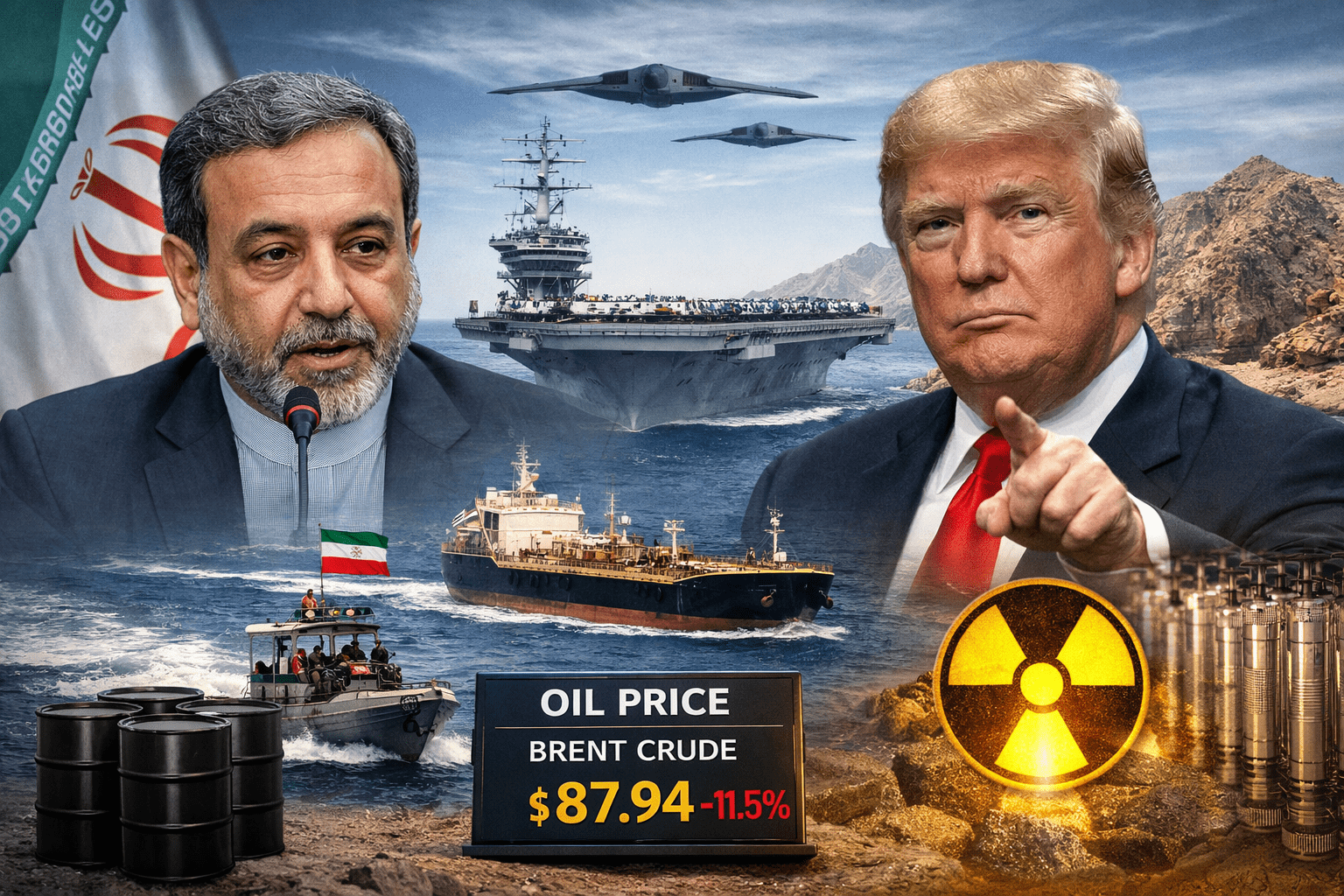
Iran’s Foreign Minister Abbas Araghchi and United States President Donald Trump announced on Friday that the Strait of Hormuz remains open for commercial shipping during the Israel-Lebanon ceasefire. Iran declared the move from Tehran through a coordinated maritime route, while Trump confirmed from Washington that the passage stays fully operational as US-Iran talks continue. The decision aims to stabilize oil flows, reduce regional tension, and support ongoing ceasefire arrangements in Lebanon and wider Middle East diplomacy.
Strait of Hormuz Reopened for Commercial Shipping
Iran confirmed full access for commercial vessels through the Strait of Hormuz.
Araghchi shared the announcement on X and outlined operational routing rules.
He stated that Iran will maintain coordination through its Ports and Maritime Organisation.
He also emphasized that the ceasefire period influenced the decision.
A senior Iranian military source added a restriction later.
Only non-military vessels can pass with IRGC Navy approval.
Oil Prices Fall Sharply After Announcement
Global oil markets reacted quickly to the announcement.
Brent crude dropped below $90 per barrel.
Prices fell to $87.94, down 11.5 percent in a single day.
US crude also declined to $83.33 per barrel.
Traders responded to reduced fears of supply disruption.
The Strait handles about one-fifth of global oil and gas shipments.
Trump Says Iran Nuclear Deal Talks Are Close
Trump stated that progress on a US-Iran agreement looks strong.
He told AFP that no major issues remain unresolved.
He also said a deal is “very close” to completion.
However, he confirmed that US naval pressure on Iran continues.
Trump stressed that Iran must not develop nuclear weapons.
He added that any agreement will require strict verification.
Uranium Transfer Dispute Emerges
Trump suggested the US could recover Iran’s enriched uranium.
He described it as part of a broader nuclear arrangement.
Iran’s state media rejected the claim.
Officials said no such negotiation ever took place.
They also denied any agreement on uranium transfer.
This dispute highlights ongoing distrust between both sides.
Maritime Security and Military Conditions
Iran linked shipping access to ceasefire coordination in Lebanon.
Officials tied maritime stability to regional de-escalation efforts.
Military oversight remains active through the Revolutionary Guard.
This ensures strict monitoring of vessels passing through the strait.
The US maintains pressure through continued naval deployment.
Washington sees it as leverage in negotiations.
Outlook for Regional Stability
The Strait reopening eased fears of wider economic disruption.
Markets now watch diplomatic talks between Iran and the US.
The Lebanon ceasefire may reduce regional escalation risks.
However, nuclear disagreements still threaten long-term stability.